Blue Planet III: Moment octopus escapes death after hunt gone wrong
Source Entity
BBC News
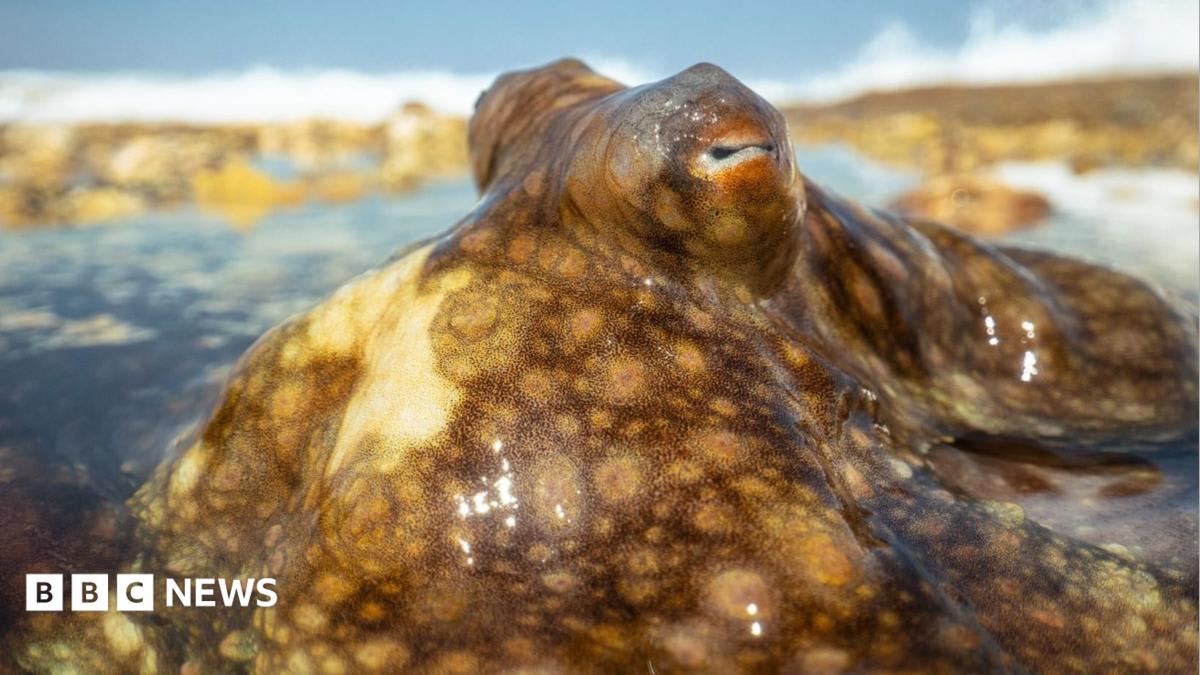
The upcoming Blue Planet III documentary series, narrated by Sir David Attenborough, features a dramatic sequence of an octopus escaping a predator. The series will premiere in the UK on November 1st, with a global rollout continuing through 2027.
The Return of a Landmark Series: Blue Planet III
The announcement of Blue Planet III marks another significant milestone in natural history broadcasting, continuing the legacy of one of the most influential documentary franchises in television history. Sir David Attenborough, who has remained a central figure in environmental storytelling well into his 101st year, returns to guide viewers through the complex and often perilous lives of marine creatures. This latest installment promises to push the boundaries of cinematography, offering unprecedented access to the hidden struggles for survival occurring beneath the waves.
A Dramatic Encounter in the Deep
Among the highlights of the series is a gripping sequence capturing an octopus navigating an environment far outside its typical habitat. The footage documents a 'hunt gone wrong,' where the cephalopod finds itself in a precarious situation, narrowly evading death. Such moments are not merely spectacular visuals; they serve as critical case studies in animal intelligence and adaptation. By venturing beyond its home turf, the octopus highlights the extreme risks marine life must take to secure food or find mates in an increasingly competitive ecosystem.
Global Scope and Environmental Context
Blue Planet III adopts a truly global perspective, traversing diverse marine biomes ranging from the freezing, nutrient-rich polar waters to the vibrant, high-biodiversity zones of the tropics. By exploring the open oceans, the series aims to illustrate the interconnectedness of our planet’s hydrosphere. This vast scope allows filmmakers to showcase how different species have evolved specialized survival tactics—like the octopus's tactical escape—to thrive in vastly different environmental pressures.
The Evolution of Wildlife Filmmaking
Technological advancements have been the backbone of the Blue Planet series' success. As the production moves into 2027 for global audiences, the series utilizes cutting-edge camera technology to document behaviors that were once invisible to human eyes. The ability to film in extreme conditions, such as the high-pressure depths of the open ocean, provides scientists and the public alike with a clearer understanding of marine biology and the immediate threats posed by habitat loss and climate shifts.
Accessibility and Future Impact
For audiences in the UK, the series begins its broadcast run on Sunday, November 1st, at 8pm on BBC One and iPlayer. The international rollout, extending through 2027, ensures that this educational content reaches a global audience. As public interest in ocean conservation continues to grow, Blue Planet III is poised to influence environmental discourse significantly, using the dramatic survival stories of creatures like the octopus to foster a deeper empathy for marine preservation.
Concluding Thoughts
In summary, Blue Planet III represents the pinnacle of nature documentary production. By documenting high-stakes moments of survival and showcasing the world's most remote aquatic regions, the series continues to bridge the gap between scientific research and public awareness. As Sir David Attenborough continues his work, this series stands as a testament to the endurance of the natural world and our ongoing responsibility to protect it.