Mahatma Gandhi’s letters to Lord Lothian from 1930s added to Sabarmati Ashram archives
Source Entity
The Indian Express
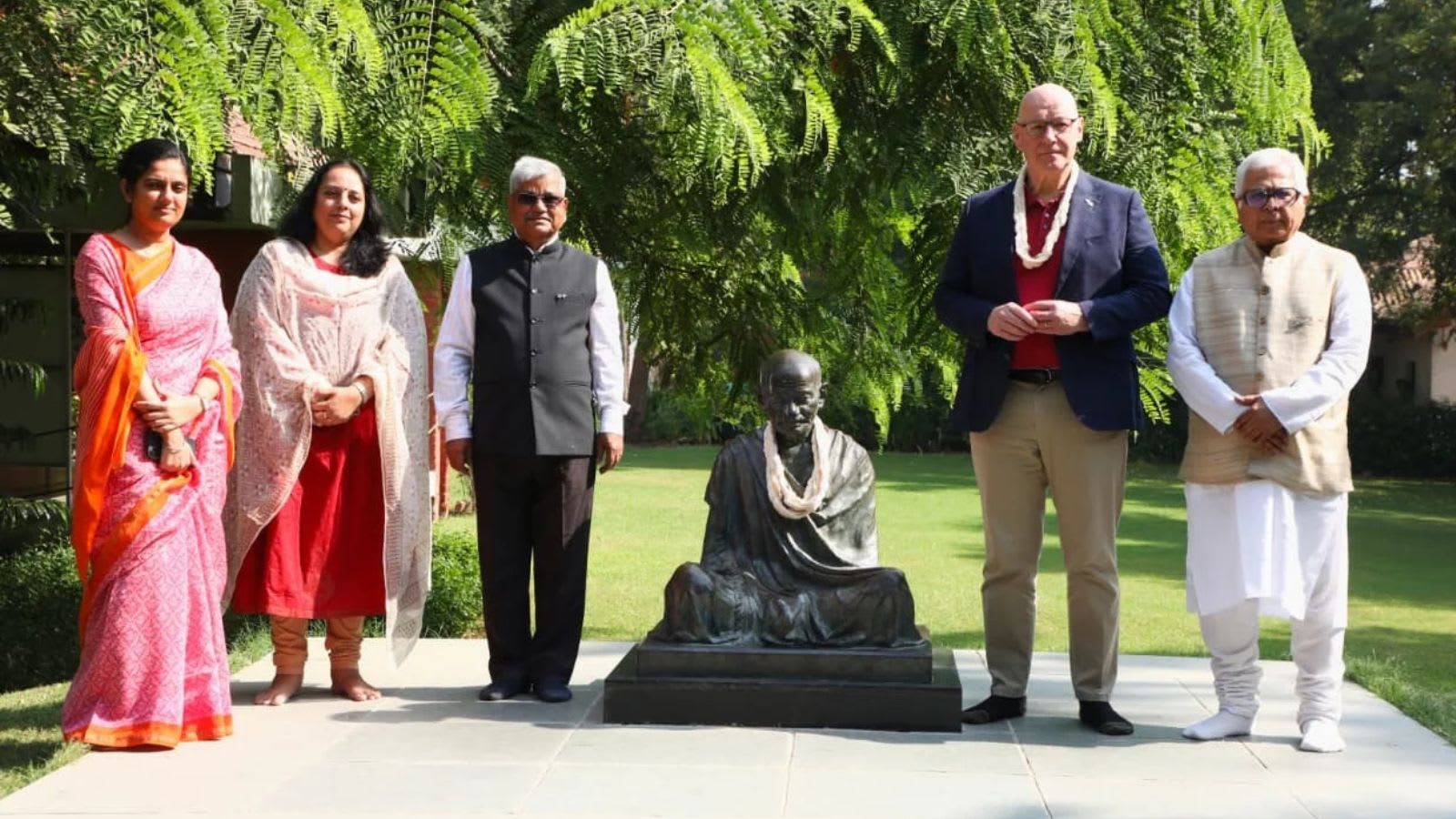
Scottish First Minister John Swinney has gifted copies of historical 1930s letters written by Mahatma Gandhi to Lord Lothian to the Sabarmati Ashram. These documents provide new insights into Gandhi's views on the Indian Federation and non-violence during British colonial rule.
A Diplomatic Gesture of Historical Significance
The Sabarmati Ashram in Ahmedabad recently witnessed a poignant moment in diplomatic and historical preservation as the First Minister of Scotland, John Swinney, presented copies of four letters written by Mahatma Gandhi to the 11th Marquess of Lothian, Philip Kerr. These documents, penned during the 1930s, represent a significant addition to the archives of the Sabarmati Ashram Preservation and Memorial Trust (SAPMT), offering a window into a critical era of India's struggle for independence.
The Historical Context of the Correspondence
Lord Lothian served as the Under Secretary of State for India during a period of profound political transition. His correspondence with Gandhi is particularly vital because it captures the intellectual discourse surrounding the proposed Indian Federation. During the 1930s, as the British administration sought to restructure the governance of its colonies, these letters served as a conduit for Gandhi to communicate his firm commitment to the principles of Ahimsa (non-violence) and his vision for a self-governing India.
Analyzing the Content: Federation and Non-Violence
The letters are not merely administrative records; they are ideological artifacts. By articulating his stance on the Indian Federation to a high-ranking British official, Gandhi was leveraging his influence to shape the future of India's constitutional framework. The inclusion of these letters in the Sabarmati archives allows scholars to better understand how Gandhi navigated complex negotiations with the British authorities while maintaining his unwavering adherence to non-violent resistance.
Institutional Oversight and Future Preservation
The presentation of these copies occurred in the presence of key figures overseeing the current redevelopment of the Gandhi Ashram, including Nitin Shukla of the SAPMT and I P Gautam of the Mahatma Gandhi Sabarmati Ashram Memorial Trust (MGSAMT). This collaboration underscores the importance of institutional memory in the ongoing efforts to preserve the legacy of the Father of the Nation. The redevelopment project aims to ensure that such historical documents remain accessible to future generations.
Broader Implications for Indo-Scottish Relations
This event highlights the enduring ties between Scotland and India, rooted in shared history and mutual academic interest. By facilitating the return of these documents—even in copy form—to their rightful place of origin, the Scottish government demonstrates a commitment to transparency and historical reconciliation. Such gestures strengthen the cultural and intellectual bonds between the two nations, reminding us that history is a living dialogue.
Conclusion: Preserving the Legacy
The addition of these letters to the Sabarmati Ashram archives is a testament to the global significance of Mahatma Gandhi’s life and work. As these documents are digitized and studied, they will undoubtedly provide fresh perspectives on the diplomatic maneuvers of the 1930s. Ultimately, the preservation of these letters serves as a vital reminder of the power of dialogue and the persistent relevance of Gandhi’s philosophy in modern political discourse.