Watch: Protesters launch fireworks at police as fiery clashes take place in Albania
Source Entity
YASHASVI VASISTHA
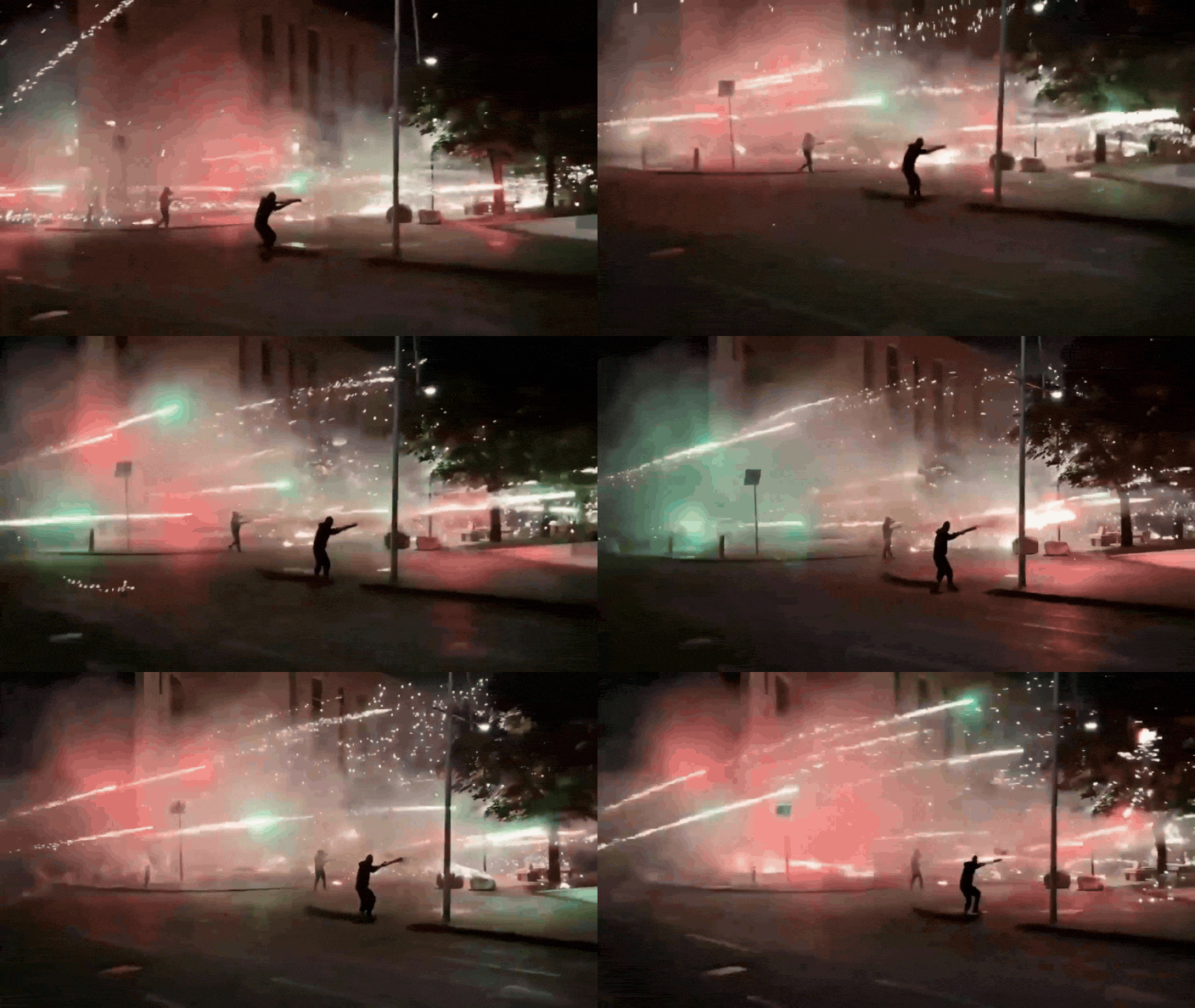
Anti-government protests in Albania and across Europe have turned violent, with demonstrators clashing with police over corruption, inflation, and housing. Authorities responded with tear gas and water cannons as unrest continues to spread across multiple nations.
Unrest in Tirana: A Catalyst for European Discontent
The recent escalation of protests in Tirana, Albania, has transformed the city streets into a flashpoint of civil unrest. Demonstrators, largely led by students and citizens frustrated by systemic issues, have engaged in direct confrontations with riot police. The use of fireworks and pyrotechnics directed at law enforcement underscores a significant breakdown in the relationship between the government and the populace. These actions serve as a physical manifestation of deep-seated grievances regarding alleged corruption, high unemployment rates, and perceived failures in the national education system.
The Anatomy of the Clashes
As the situation in Tirana intensified, the tactical response from authorities evolved rapidly. Riot police deployed tear gas, water cannons, and rubber bullets to counter protesters who retaliated with rocks and, in some instances, incendiary devices. The targeting of government buildings, including the agriculture ministry, signals that these protests are not merely spontaneous expressions of anger, but are aimed at disrupting the administrative machinery of the state. The intensity of these clashes reflects a volatile environment where the lines between political dissent and public disorder have become increasingly blurred.
A Broader European Context
While the scenes in Tirana are dramatic, they are part of a wider wave of civil agitation currently sweeping across Europe. From France and Italy to Spain and Portugal, thousands have taken to the streets to voice similar frustrations. The common thread binding these disparate movements is the crushing weight of the rising cost of living, which has exacerbated existing anxieties over housing affordability, public pension security, and political accountability. What began as localized concerns in individual nations has morphed into a transnational expression of fatigue with the current socio-economic status quo.
The Housing and Economic Crisis
Central to this continental unrest is the acute housing affordability crisis. In cities like Lisbon and Madrid, citizens are demanding structural changes to protect their access to basic living standards. When combined with inflation and stagnant wages, the inability of the working class to secure affordable housing has created a breeding ground for radicalized protest movements. The deployment of security personnel in countries like Italy demonstrates that governments are increasingly viewing these economic grievances as a significant threat to internal stability.
Future Implications and Policy Challenges
Looking ahead, the persistence of these demonstrations presents a formidable challenge for European leadership. The reliance on heavy-handed policing tactics—while effective in the short term for restoring order—risks further alienating a public that feels unheard. If governments fail to address the underlying causes of corruption and economic inequality, the cycle of violence and unrest is likely to continue. The challenge for policymakers will be to pivot from reactive security measures to meaningful legislative reform that addresses the fundamental quality-of-life issues driving these massive rallies.
Conclusion
The events in Albania and across Europe are a stark reminder of the fragile social contract in the modern era. As protesters continue to demand transparency and economic relief, the potential for further instability remains high. Whether these movements will lead to lasting governmental reform or further polarization remains the defining question for European politics in the coming months.
Multiple Citing Sources