Netanyahu Pushed For Attack On Iran Ahead Of Israeli Election: Report
Source Entity
NDTV News Search Records Found 1000
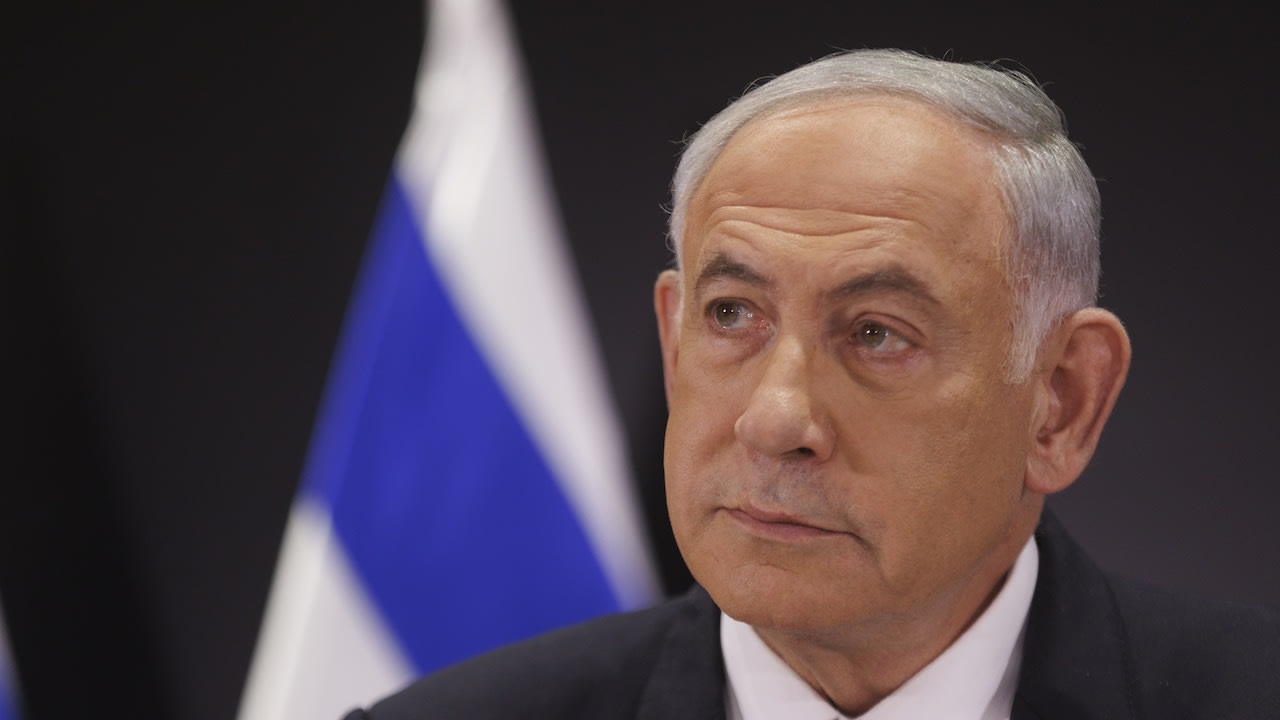
Reports indicate Prime Minister Benjamin Netanyahu sought a military strike on Iran prior to Israel's national election. His proposal faced significant resistance from IDF leadership, who raised concerns regarding regional stability and political interference.
The Intersection of Geopolitics and Electoral Strategy
Recent reports have unveiled a significant point of internal friction within the Israeli government, centering on Prime Minister Benjamin Netanyahu’s alleged push for a military strike against Iran. According to sources, including coverage by The New York Times, Netanyahu sought to initiate this action in the weeks leading up to the nation’s recent election. This move, however, was not met with universal support, creating a notable divide between the political executive and the established military leadership.
Military Resistance and Institutional Checks
The resistance to these proposed military actions was spearheaded by the Israel Defense Forces (IDF), most notably Chief of Staff Lt. Gen. Eyal Zamir. The opposition from the military establishment highlights the complex internal checks and balances that govern Israeli security policy. By challenging the Prime Minister's push for an airstrike, the IDF leadership emphasized that operational decisions must be grounded in strategic necessity rather than political timing, effectively acting as a safeguard against the potential politicization of national security.
The Risks of Regional Escalation
A primary point of contention regarding the proposed strike was the fear of triggering a wider regional conflict. Military planners and security experts are acutely aware that an attack on Iran could result in a retaliatory cycle, potentially involving Iranian proxies across the Middle East. The resistance from the IDF suggests a preference for a more cautious, long-term strategic approach to the Iranian nuclear program, rather than an impulsive strike that could destabilize the entire region during a sensitive domestic political period.
Political Motivations and Election Timing
The timing of the proposed operation raised significant questions about the intent behind the military buildup. Critics and analysts have suggested that the push for action was intrinsically linked to the electoral climate, with the Prime Minister potentially looking to solidify his standing by projecting strength on the international stage. The fact that the necessity of such an attack was not clearly established in the public record further fueled speculation that the move was more about political optics than immediate security threats.
Future Implications and Strategic Uncertainty
Looking forward, the tension between political leaders and military chiefs regarding Iran remains a critical focal point. The incident raises a broader question: could the threat of an election loss or a shift in political power lead to more aggressive military posturing in the future? As Israel navigates a volatile regional landscape, the ability of its military leadership to maintain a clear-eyed, security-first doctrine in the face of political pressure will remain a defining challenge for the country's national security apparatus.
Verification Required?