When safety slips through a gaping hole
Source Entity
India Latest News: Top National Headlines Today & Breaking News | The Hindu
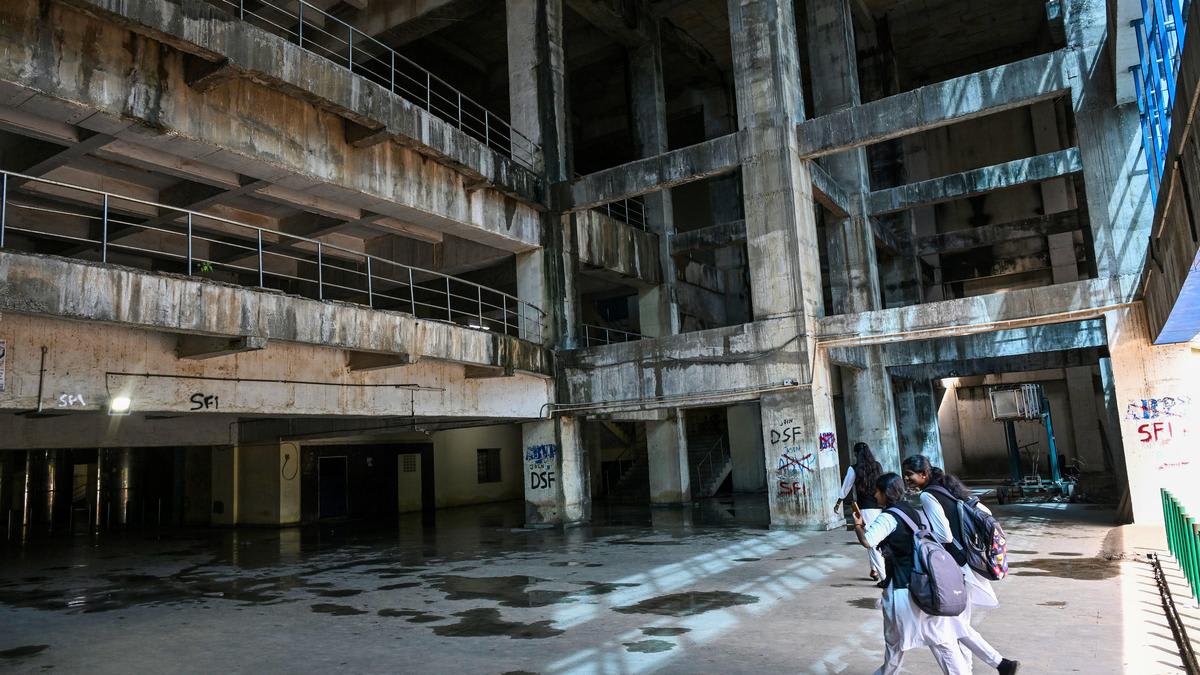
The fatal accident at Chennai's Thirumayilai MRTS station highlights critical maintenance failures in the aging transit system. As control shifts to CMRL, urgent safety upgrades are required to address long-standing infrastructure neglect.
The Crisis of Infrastructure Neglect at Chennai's MRTS
The recent fatal accident at the Thirumayilai MRTS railway station serves as a grim indictment of the deteriorating state of public infrastructure in Chennai. While the Mass Rapid Transit System (MRTS) was once a pioneering vision for India—designed in the 1970s as the country's first elevated mass public transport corridor—its current reality is marred by systemic maintenance failures. The tragic incident underscores that the 'gaping holes' in safety are not merely isolated lapses but symptoms of long-term neglect.
A Vision Outpaced by Time
When the MRTS was conceptualized, it was intended to revolutionize urban mobility. The construction of massive, expansive stations was based on the anticipation of high passenger volume, with amenities like escalators, lifts, and toilets integrated into the blueprint. However, the multi-decadal delay in project completion—stretching from the 1970s through the final extension to St. Thomas Mount this year—meant that much of the infrastructure aged or became obsolete before it could be fully utilized or adequately maintained.
The Burden of Delayed Implementation
The timeline of the MRTS is one of frustration and missed opportunities. Launched in phases and finally reaching full operational status from Beach to Velachery in November 2007, the system has struggled to keep pace with the rapidly expanding transit needs of Chennai. These decades of delays did not just frustrate commuters; they created a vacuum in accountability, where the grand scale of the stations became impossible to maintain, leading to the hazardous conditions observed today.
The Transition to CMRL
With the Railway Board finally providing the go-ahead to transfer the MRTS to the Chennai Metro Rail Limited (CMRL), there is a glimmer of hope for revitalization. This transition marks a critical turning point. CMRL inherits a system that is structurally sound in its elevation but functionally compromised in its upkeep. The integration process must prioritize safety audits and the immediate repair of long-neglected passenger facilities to prevent further loss of life.
Broader Implications for Urban Safety
This event forces a necessary conversation about the lifecycle management of public transit. Building large-scale projects is only the first step; the true success of an urban corridor lies in its ongoing maintenance. The MRTS case study demonstrates that without rigorous safety protocols and proactive repair schedules, even the most ambitious transport projects can become liabilities rather than assets to the public they serve.
Conclusion: A Path Forward
As the responsibility shifts, the focus must remain on bridging the gap between the vision of the 1970s and the safety requirements of the modern era. The handover to CMRL offers an opportunity to standardize safety protocols and modernize outdated facilities. Unless immediate, comprehensive action is taken to address the maintenance deficits at stations like Thirumayilai, the MRTS will continue to struggle as a symbol of infrastructural decay rather than a beacon of urban progress.
Verification Required?