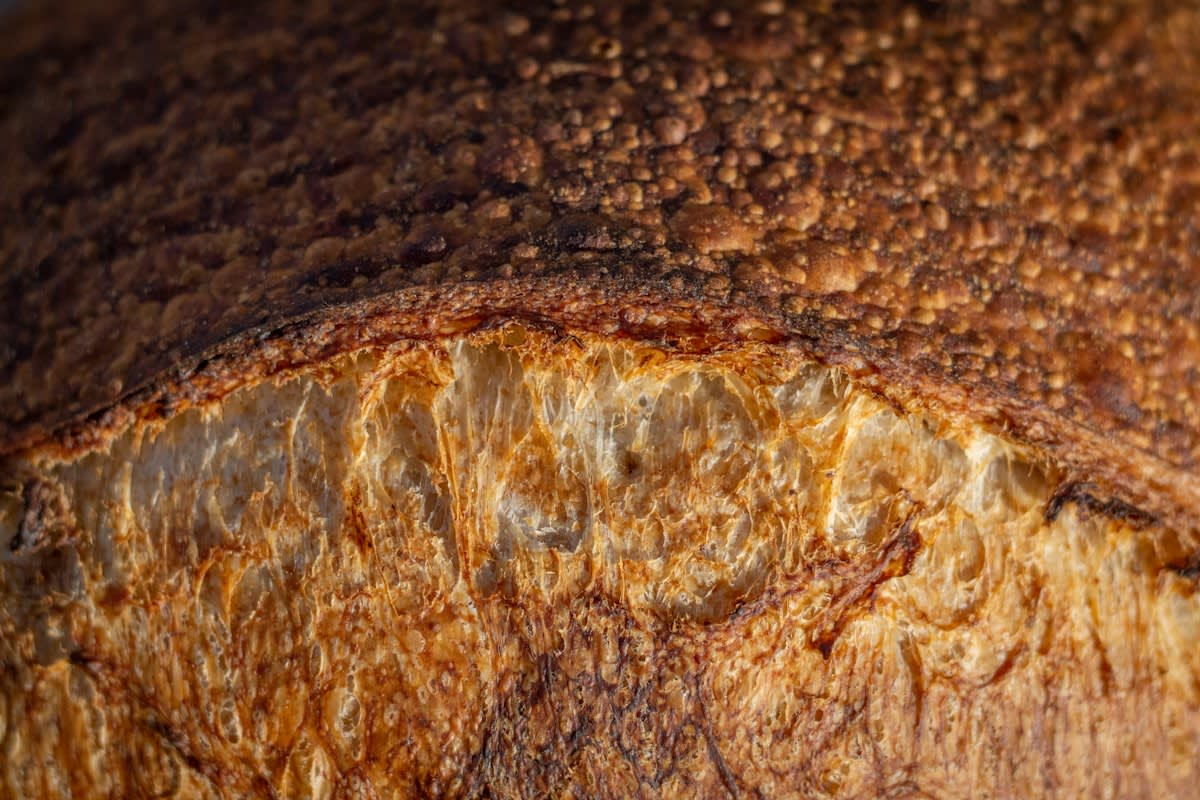
The Myth of the Ritual
We are told that traditional bread-making is about heritage. It is not. These rituals are masks. They cover a cold, mechanical necessity: the desperate need to keep grain from rotting in a humid environment. When you see the ornate shapes of regional loaves or the insistence on specific sourdough starters, you are not looking at art. You are looking at a survival suture.
The Mediterranean terrain is a collision of heat and damp. For the people of Sardinia, the grip of moisture on grain was a death sentence. To survive, they had to treat food storage as a military operation. The rituals we celebrate today as folk traditions were originally protocols to ensure that the caloric weight of the winter harvest did not dissolve into mold before the first spring bloom.
The Engineering of the Horrea
Moisture kills. The Romans understood this with a precision that modern bakers often ignore. They built horrea, or granaries, designed specifically to isolate the grain from the earth. This was not a matter of convenience; it was a fight against mechanical failure (Source: Instagram/Roman Granaries, n.d.).
The solution was elegant and brutal. They used rows of brick pillars to support elevated floors. By lifting the grain away from the ground moisture, they created a buffer zone that prevented the soil from saturating the stores (Source: Instagram/Roman Granaries, n.d.). This elevated grip on the environment allowed the Roman empire to maintain caloric security across its territories, including the rugged terrain of Sardinia. Without these pillars, the granaries would have become hollow shells of rot.
"Roman granaries, known as horrea, sometimes used rows of brick pillars to support elevated floors. This helped keep grain away from ground moisture."— Historical Analysis, Instagram/Roman Granaries
This architectural default set the stage for everything that followed. The ritualized way grain was handled, stored, and eventually fermented into sourdough was a continuation of this obsession with moisture control. If the horrea handled the bulk, the sourdough starter handled the micro-environment. The acidity of the sourdough acted as a chemical barrier, a way to ensure that the bread remained edible long after the grain had left the pillars.
Why does this matter now? Because we have replaced the pillar with the plastic wrap. We have forgotten that the shape of the bread and the nature of the fermentation were designed to manage the weight of the air and the dampness of the coast.
The Web of Preservation
Bread never existed in a vacuum. It was part of a wider web of survival products. In Sardinia, the pairing of sourdough with pecorino sardo was not a culinary choice; it was a strategic alliance of preserved calories (Source: Xianblog.fr, 2026). Both products rely on the removal or control of moisture to prevent decay.
Pecorino sardo uses salt and aging to drive out water. Sourdough uses lactic acid to create a hostile environment for spoilage organisms. Together, they formed a caloric fortress. This was the default for a population that could not rely on consistent harvests. The ritual of baking became the social interface for this technical system.
| Survival Component | Mechanical Tool | Objective | Outcome |
|---|---|---|---|
| Bulk Grain | Brick Pillars (Horrea) | Moisture Isolation | Caloric Security |
| Dough | Sourdough Fermentation | pH Manipulation | Extended Shelf Life |
| Protein | Salting (Pecorino) | Dehydration | Nutritional Stability |
When we analyze these components, we see that the ritual is merely the skin. The bone is the engineering. The insistence on using a specific 'ancestral' starter is not about sentiment; it is about maintaining a specific microbial strain that has a proven grip on the local environmental pressures.
The Invisible Friction
Inside the world of professional baking, there is a fraying tension. On one side are the aestheticists. These are the bakers who treat sourdough as a trend, focusing on the 'open crumb' and the visual appeal for social media. They treat the ritual as a costume. They ignore the brittle reality of the chemistry involved.
On the other side are the practitioners who understand the weight of the grain. They know that in a high-humidity environment, a starter can turn into a mechanical failure in hours. They argue about the temperature of the water and the specific mineral content of the flour not for taste, but for stability. This is the invisible friction: the clash between bread as a luxury product and bread as a survival technology.
The practitioner knows that the ritual is a safeguard. When a baker insists on a specific kneading rhythm, they are often subconsciously replicating a process that ensures the correct gluten structure to resist mold penetration. The 'tradition' is a manual for a machine that we no longer know how to read.
The Hard Turn Toward Aesthetic
We have seen a hard turn in how these systems are marketed. The survival system has been hollowed out to make room for the tourism industry. The brick pillars of the horrea are now photo opportunities; the sourdough starter is a 'heritage' selling point. This shift obscures the actual engineering that allowed these populations to exist.
By stripping the survival context from the ritual, we make the system more brittle. We forget how to manage moisture. We rely on industrial preservatives to do the work that the brick pillars and the lactic acid once did. We have traded the grip of experience for the convenience of the chemical.
If we want to understand the true nature of Sardinian bread, we must stop looking at the flour and start looking at the floor. The secret is not in the recipe. It is in the gap between the grain and the damp earth. The ritual is just the story we tell ourselves so we do not have to think about the fear of starvation.
Fact-Check & Accuracy Note
This analysis relies on archaeological evidence of Roman horrea (granaries) and the cataloging of regional food staples like pecorino sardo and sourdough. The primary debate in this field is whether modern 'traditional' rituals are direct descendants of Roman engineering or later adaptations to similar environmental pressures. Sources include historical records of Roman infrastructure (Source: Instagram/Roman Granaries) and regional product indices (Source: Xianblog.fr, 2026).
Editorial Note
Editorial Note: This piece adopts a contrarian analyst perspective to challenge the cultural romanticization of food rituals, focusing instead on the underlying mechanical and systemic drivers of survival.