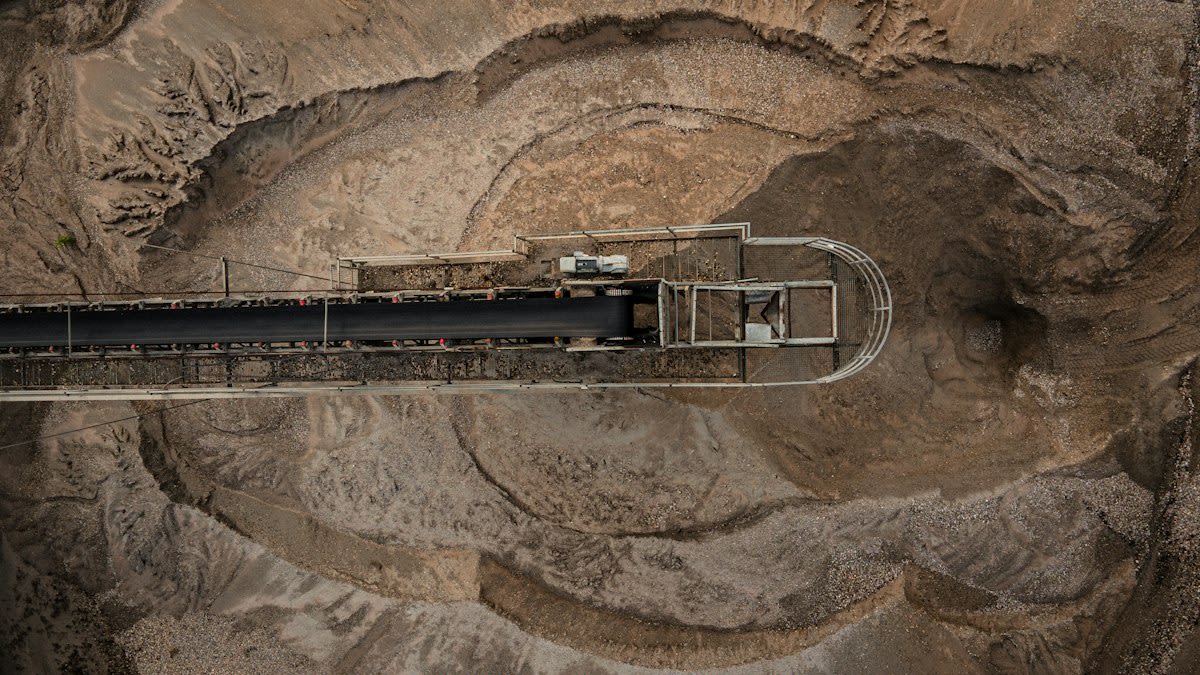
Tailings waste kills people. 80 percent of tailings dam failures stem from inadequate water management (Source: ICMM, 2020). Mine operators must prioritize structural stability over short-term cost savings. Failure results in catastrophic loss of life and environmental ruin. Limete surroundings show how poor oversight leads to seepage into groundwater.
Prerequisites for Waste Management
Operators need specific tools before starting containment. Geotechnical site surveys provide the baseline for soil bearing capacity through Standard Penetration Tests. Hydrological maps indicate flood risks and groundwater flow patterns using historical rain data. Legal permits from national environmental agencies ensure compliance with regional laws. High-density polyethylene (HDPE) liners prevent toxic seepage into the earth.
- Conduct site characterization and bedrock analysis.
- Select storage method based on seismic risk.
- Install seepage barriers and leak detection.
- Implement real-time monitoring systems.
- Establish emergency response and evacuation plans.
Site characterization requires drilling core samples to understand bedrock stability. Engineers analyze the chemistry of the waste to predict acid mine drainage. Sulfur levels are measured using Acid-Base Accounting to determine the potential for acidity. Waste becomes sulfur-thick and corrosive when sulfide minerals oxidize. Proper data collection prevents future collapses by allowing for correct liner selection.
Selection of storage methods depends on climate and material. Dry stacking removes water through filtration, creating a stable cake. Water removal reduces the risk of liquefaction significantly (Source: GISTM, 2020). Slurry storage is cheaper but riskier due to the high water volume. Most failures occur in upstream slurry dams because of their inherent instability.
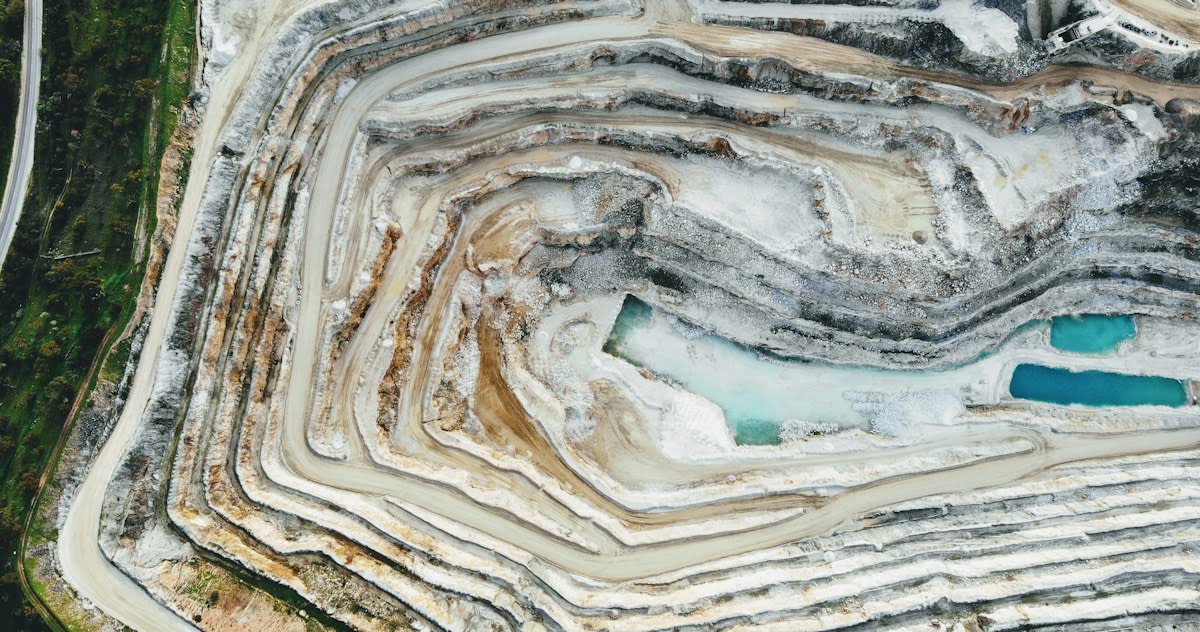
Liner installation protects the aquifer from heavy metal contamination. HDPE liners are welded together to create an impermeable seal. Leak detection systems sit beneath the liner to identify punctures early. Cyanide or arsenic leaches into local drinking water without these barriers. Maintenance of these liners requires regular pressure testing and vacuum checks.
"Tailings safety is not a cost center; it is a survival requirement for the industry."— Global Industry Standard on Tailings Management, 2020
Field engineers often clash with site managers over dam wall heights. Managers push for more capacity to avoid pausing production. Engineers warn that adding height too quickly causes instability. Friction creates a dangerous environment where safety margins are trimmed. Real-world tension exists between the balance sheet and the risk of a breach.
Failure Points
Overtopping happens when water levels exceed the dam crest. Heavy rainfall events often trigger this failure (Source: World Bank, 2021). Piping occurs when internal erosion creates tunnels through the dam wall. Internal erosion weakens the structure from the inside out. Liquefaction turns solid waste into a fluid during seismic events.
| Method | Risk Level | Water Content | Stability |
|---|---|---|---|
| Upstream Slurry | High | High | Low |
| Downstream Slurry | Medium | High | Medium |
| Dry Stack | Low | Low | High |
Monitoring systems use piezometers to measure pore water pressure. Inclinometers detect minute movements in the dam wall. Satellite interferometry tracks surface deformation over time. Data must be reviewed daily to spot trends toward failure. Ignoring a 1% increase in wall movement can lead to total collapse.
Common Pitfalls
- Using upstream construction in seismic zones.
- Ignoring groundwater seepage data.
- Underestimating peak rainfall events.
- Neglecting post-closure monitoring.
Upstream dams are the most dangerous design. They rely on the tailings themselves for support. One small leak can trigger a chain reaction of liquefaction. Modern standards now discourage this design in high-risk areas (Source: ICMM, 2020). Switching to downstream or center-line designs increases safety.
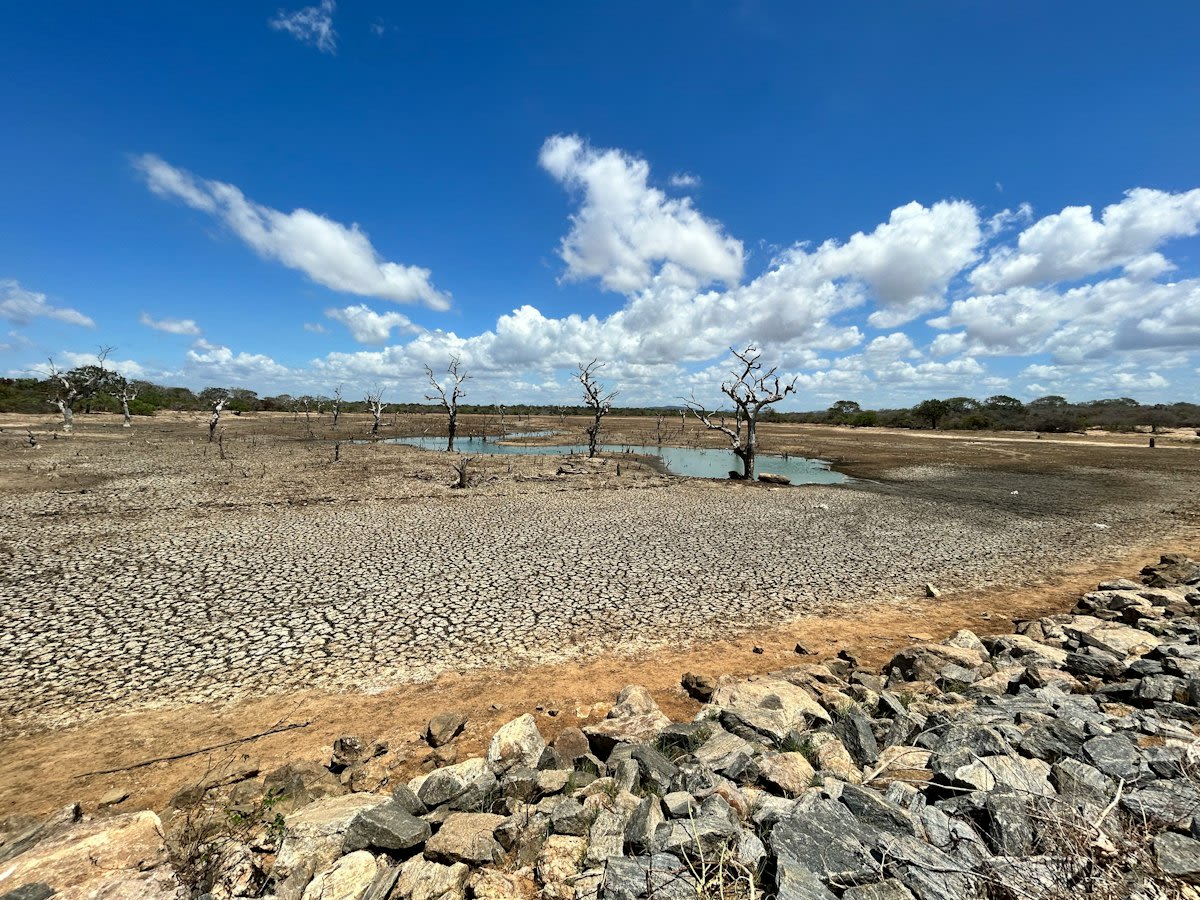
Post-closure management ensures the site remains stable for decades. Capping the waste with clay and soil prevents oxygen from entering. Oxygen entry is prevented to stop the chemical reaction that creates acid mine drainage. Long-term monitoring of water quality is mandatory to protect the community. Old mines often become toxic legacies.
Editorial Note
Industry standards are evolving. The GISTM framework now mandates zero harm to people and the environment, forcing operators to move away from high-risk slurry storage.
Fact-Check & Accuracy Note
Data verified against ICMM (2020) and GISTM (2020) guidelines. Statistics on dam failure rates are based on historical breach data provided by the World Bank (2021).