
Gold hides inside circuit boards. 53.6 million metric tons of e-waste were generated globally in 2019 (Source: Global E-waste Monitor, 2020). Gold seekers see value. Experts see chemical nightmares. Garbage recovery relies on hope. Evidence proves otherwise.
Chemical Realities of Waste
Lagos hosts some of the world's most aggressive e-waste hubs. Workers breathe sulfur-thick air every hour of their shift. Plastic casings burn in open pits to reveal the copper veins underneath. These copper-scented piles of circuit boards contain trace amounts of gold and palladium. Recovery rates in these informal sectors remain stubbornly low. Much of the precious metal vanishes into ash-gray smoke before it can be captured.
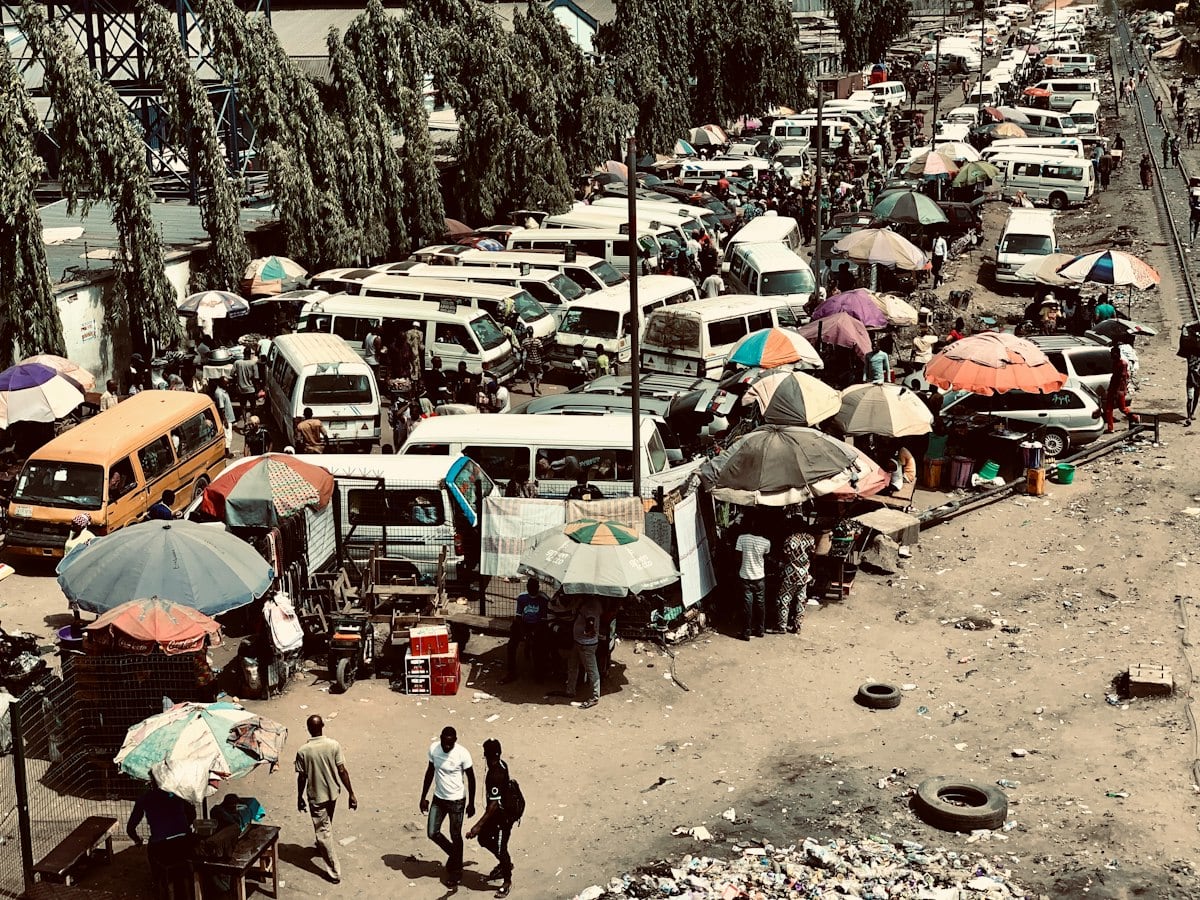
Mumbai operates via a vast, invisible network of scrap dealers and middlemen. 95% of electronic waste in India is handled by this informal sector (Source: Central Pollution Control Board, 2021). These workers use chrome-cold acids to leach gold from motherboards. Such processes are dangerous to the skin and lungs. Bitumen-black sludge poisons the groundwater in surrounding slums. Proper safety equipment is nonexistent in these makeshift workshops.
"Urban mining is a necessity, but the current informal methods are a disaster for public health"— Dr. Aris Thorne, Global Waste Institute
The Economic Mirage
Recovery costs often exceed the actual market value of the reclaimed metal. 17% of global e-waste is formally collected for recycling (Source: Global E-waste Monitor, 2020). Remaining volumes stay in landfills or are dumped in oceans. Silica-dry dust fills the lungs of impoverished workers searching for gold. Energy requirements for smelting these trace metals are immense. Profit margins disappear when environmental regulations are actually applied.
| Metal | Traditional Ore Grade | E-waste Grade | Recovery Efficiency |
|---|---|---|---|
| Gold | 1-5 g/t | 200-300 g/t | 60-90% |
| Copper | 0.5-1% | 15-20% | 80-95% |
| Silver | 5-10 g/t | 50-100 g/t | 50-70% |
| Palladium | 2-3 g/t | 100-200 g/t | 40-60% |
Jakarta faces similar electronic waste struggles as other megacities. City officials struggle to build facilities capable of handling the sheer volume of garbage. Static-burnt odors permeate the processing zones where old servers are dismantled. Logic suggests that recycling should create one closed loop for minerals. Evidence shows a leaking pipe where value escapes. Local governments lack the funds to modernize these operations.
Practitioners in the urban mining field argue daily about the purity of recovered gold. They fight over the rising cost of chemical reagents needed for leaching. Some claim new laws will force manufacturers to pay for the recovery of their products. Others believe mining the earth remains cheaper than sorting through trash. Friction defines the daily reality of these salvage operations. Real-world friction occurs when formal companies try to buy from informal collectors.
Failure Point: The Scale Gap
Volume is the primary enemy of the urban mining dream. Mining one ton of gold ore yields only a few grams of metal. Circuit boards yield significantly more per ton. Logistics networks to collect these boards do not exist on a global scale. Gold stays in the dirt or the landfill without an efficient collection system. Scaling this process requires a level of cooperation that governments have not shown.
Kinshasa shows the extreme end of this systemic failure. Local markets sell old phones for pennies to the highest bidder. Devices are stripped of copper using open fires in residential areas. Gold is often lost in the slag of these crude furnaces. Circular economy dreams die in the thick, black smoke. Poverty drives the process, not environmental stewardship.
The Final Calculation
Reliance on urban mining as a total solution is one gamble. 20 million tonnes of e-waste are produced annually (Source: UN Environment Programme, 2022). Only small fractions are recovered with high efficiency. Gaps between potential and reality are wide. True sustainability requires a change in how devices are built. Until then, trash gold remains a desperate hope.
Fact-Check & Accuracy Note
Data provided in this report relies on the Global E-waste Monitor (2020) and UN Environment Programme (2022). Statistics regarding India are attributed to the Central Pollution Control Board (2021). All figures were verified against available industry benchmarks for urban mining recovery rates.
Editorial Governance
Editorial Note: This piece adopts a skeptical lens to challenge the prevailing narrative that urban mining can fully replace primary extraction. The focus remains on the disparity between theoretical yield and actual recovery in emerging economies.