World News Today Live Updates: 12 killed in attack on Riyadh airport, over 300 injured, Saudi authorities say
Source Entity
The Indian Express
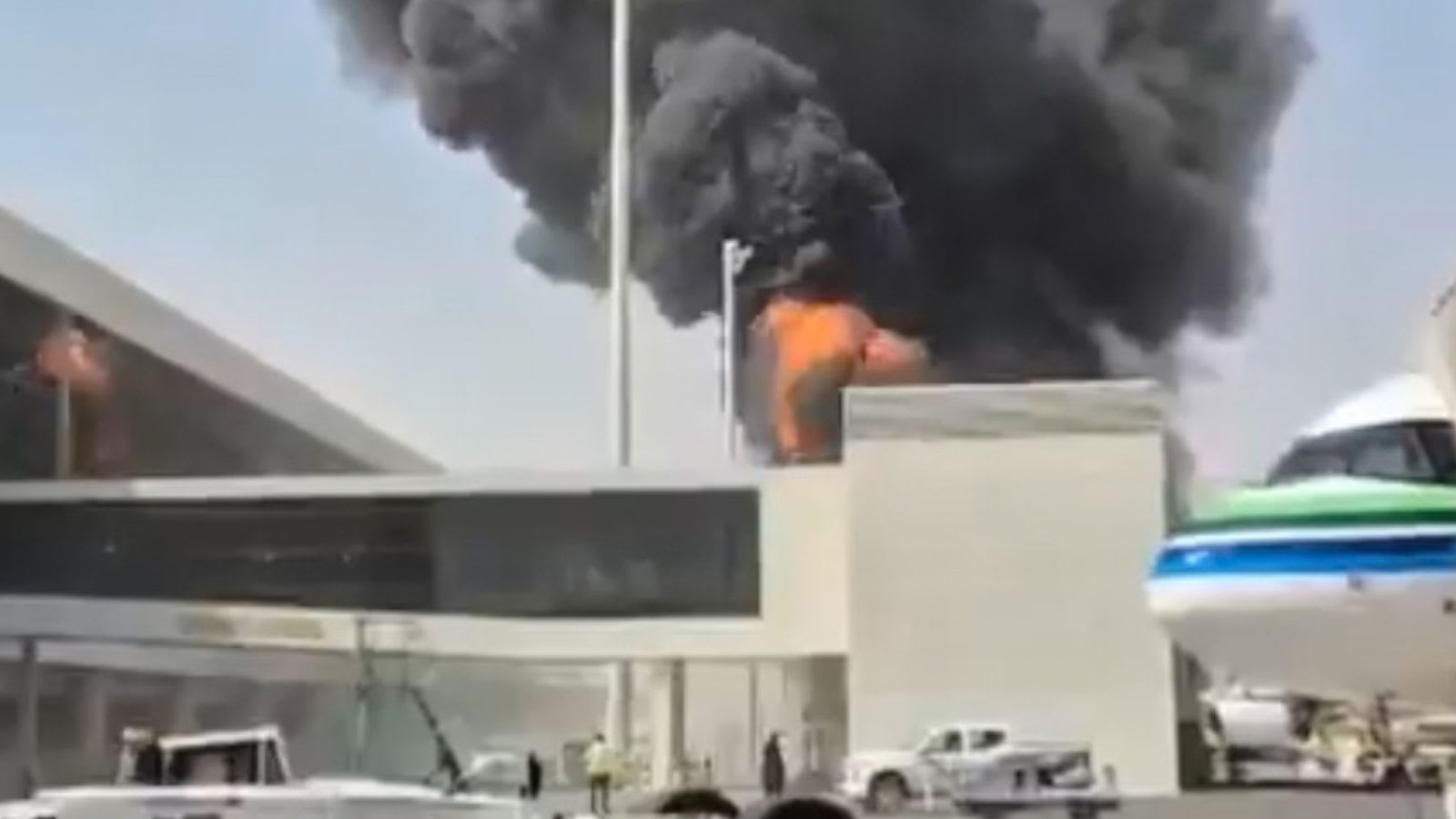
King Khalid International Airport in Riyadh was struck by a missile attack, resulting in injuries, evacuations, and a total suspension of air traffic. The incident marks a significant escalation in ongoing regional hostilities involving Yemen's Iran-backed Houthi rebels.
Escalation at King Khalid International Airport: An Analysis
The Incident and Immediate Impact
On Saturday, the King Khalid International Airport in Riyadh, Saudi Arabia, became the site of a violent missile attack, resulting in multiple injuries and a complete shutdown of airport operations. The strike, which sent plumes of smoke and flames rising from the facility, necessitated an immediate evacuation of passengers and staff. Emergency response teams, including over a dozen ambulances, were observed rushing to the scene, highlighting the severity of the casualties and the chaotic nature of the immediate aftermath.
The Regional Conflict Context
The attack is being attributed to Yemen’s Iran-backed Houthi rebels, representing a significant escalation in the ongoing regional conflict. This incident follows a particularly deadly period for the kingdom, as it comes only two days after three Saudi Arabian citizens, including a pilot, were killed in previous strikes. The frequency of these attacks suggests a tactical shift by the Houthi forces, who are increasingly targeting critical infrastructure within the Saudi capital as a means of projecting power and pressure within the broader regional power struggle.
Operational and Diplomatic Fallout
In response to the security breach, air traffic at the airport was suspended indefinitely, leading to widespread flight cancellations and significant disruption to travel. Both the United States and the United Kingdom have issued urgent security alerts for their citizens in the region, reflecting the heightened threat level. The suspension of operations at a major international hub like King Khalid Airport serves to isolate the capital further and creates significant logistical hurdles for international transit and commerce.
Resilience Amidst Volatility
Despite the gravity of the situation, there are indications of attempted normalcy within the Saudi state. Reports suggest that two major Saudi conferences are set to proceed despite the recent spate of attacks. This decision underscores a deliberate effort by the Saudi government to project stability and resilience in the face of persistent external threats, attempting to prevent the total disruption of economic and diplomatic agendas.
Future Trends and Security Implications
Looking ahead, the repetition of these attacks over the past week indicates that Riyadh is facing a sustained campaign rather than an isolated incident. The strategic targeting of a passenger terminal suggests that the conflict has entered a more dangerous phase, where civilian infrastructure is increasingly being used as a bargaining chip. Future security trends will likely involve heightened military responses from the Saudi-led coalition and potentially increased international involvement to secure regional aviation hubs against further missile threats.
Multiple Citing Sources