Anti-CEC protest LIVE updates: CJP calls for 'Chalo Jantar Mantar' protest today; Supreme Court to hear contempt plea against Delhi transit shutdown
Source Entity
India Latest News: Top National Headlines Today & Breaking News | The Hindu
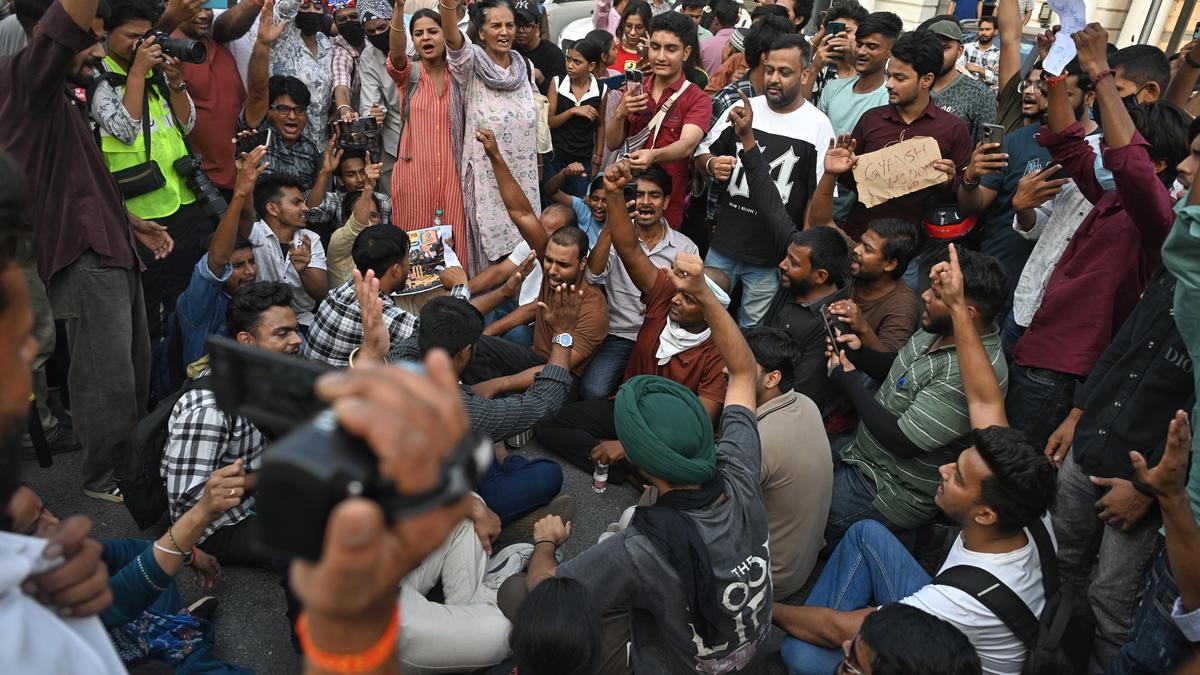
India has formally rejected criticism from the UN Human Rights Office regarding the detention of protesters in New Delhi. The government maintains that its constitutional framework and independent institutions sufficiently protect the right to peaceful assembly.
India Rejects UN Criticism Over Delhi Protest Detentions
A Clash of Sovereignty and Human Rights
In a recent diplomatic escalation, the Indian government has firmly rejected statements from the Office of the United Nations High Commissioner for Human Rights (OHCHR) regarding the handling of protests in New Delhi. The controversy stems from a demonstration organized by the Cockroach Janta Party (CJP) against Chief Election Commissioner Gyanesh Kumar, citing alleged irregularities in electoral rolls. The ensuing police response, which involved mass detentions, drew immediate international scrutiny from the UN body.
India’s Stance on Constitutional Guarantees
The Permanent Mission of India to the UN in Geneva issued a sharp rebuttal on the platform X, characterizing the OHCHR’s remarks as "misplaced" and an "unwarranted interference" in domestic affairs. India emphasized that the right to peaceful assembly is a cornerstone of its democracy, explicitly guaranteed by the Indian Constitution. The government further asserted that this right is not absolute but subject to "reasonable restrictions" necessary to maintain public order, a standard practice in democratic governance.
The OHCHR Perspective on Proportionality
The OHCHR’s intervention was rooted in concerns over the "mass detentions" of protesters. The UN body urged Indian authorities to adhere to international standards of "necessity and proportionality" when managing public demonstrations. By calling for the immediate and unconditional release of those it deemed "arbitrarily" detained, the UN body sought to pressure the state to prioritize civil liberties over security-focused crowd control measures.
Institutional Safeguards in the World's Largest Democracy
In its defense, India underscored the robustness of its internal mechanisms. The government pointed to the existence of an independent judiciary, a free media, and established constitutional institutions as the primary safeguards for its citizens. By highlighting these pillars, India framed the UN’s involvement as unnecessary, suggesting that its internal legal and political frameworks are fully capable of addressing grievances and overseeing the conduct of security personnel without external oversight.
Broader Implications for Future Governance
The ongoing tension between the CJP and the Election Commission, marked by calls for continued protests at Jantar Mantar, suggests that this issue remains unresolved. The lack of information regarding the whereabouts of detained CJP leaders has fueled further public anxiety. Moving forward, the interaction between the Indian state and international human rights organizations will likely continue to be a point of friction, as the government seeks to balance its international standing with its firm policy of maintaining domestic autonomy over public order and electoral oversight.
Multiple Citing Sources
Verification Required?