What we wear, and what can be taken from us
Source Entity
The Indian Express
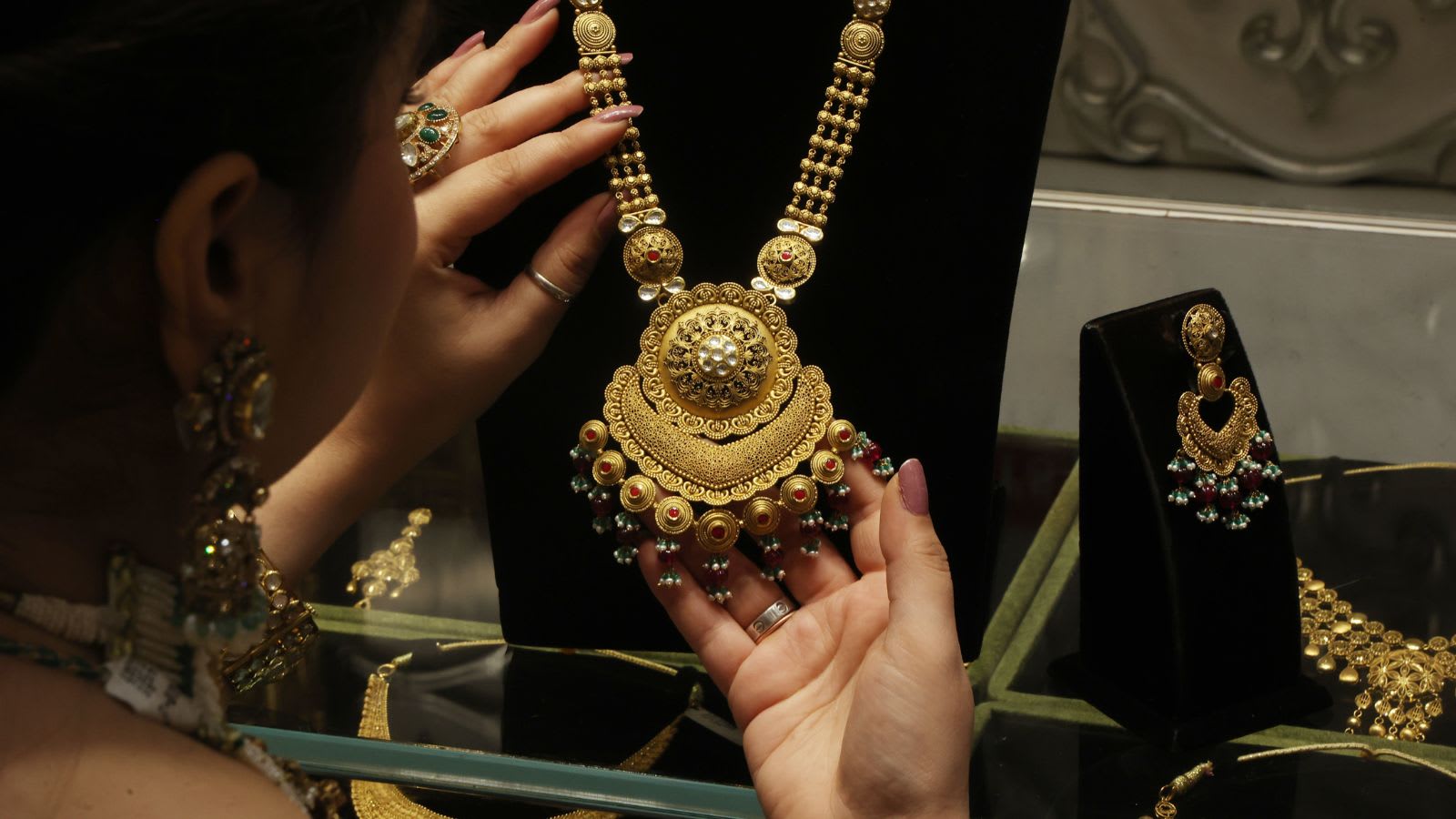
Anagha Kamath explores how traditional Indian markers of marriage are often forcibly removed upon widowhood. This practice highlights the societal pressure to render a woman's grief visible through the stripping of cultural symbols.
The Symbolic Burden of Indian Womanhood
In her poignant reflection, Anagha Kamath examines the deeply ingrained cultural expectations placed upon the female body in India, where existence is frequently mediated through the lens of marital status. These markers—the mangalsutra, green bangles, and toe rings—serve as performative declarations of a woman’s social standing. They function as a visual shorthand for being 'accounted for,' effectively embedding a woman’s identity within the framework of her family and marital ties rather than allowing for an autonomous existence.
The Intersection of Wealth and Identity
Beyond the social signaling of marriage, these adornments carry significant economic weight. In the context of Indian weddings, the volume and quality of gold jewelry worn by a bride serve as a public barometer for her family’s financial status. This transforms the woman’s body into a canvas for familial prestige, where the jewelry acts as a tangible asset that is simultaneously a symbol of social capital and a reflection of the patriarchal structures that dictate the display of wealth.
The Violent Erasure of Widowhood
Kamath shifts the focus to the harrowing transition of widowhood, where the societal mandate for visibility takes a dark, punitive turn. The removal of jewelry—often occurring through the forced breaking of bangles or the stripping of the mangalsutra—is not merely an act of mourning; it is a ritualistic erasure. This process demands that a woman’s grief be made performative, transforming her physical person into a public marker of loss that aligns with traditional expectations of asceticism.
Cultural Policing and the Visible Grief
This practice suggests that in certain traditional contexts, private grief is considered insufficient unless it is validated by a visible, social stripping of symbols. By removing the ornaments that once signaled she was 'belonging,' the widow is forced into a state of 'otherness.' The violence often associated with this removal underscores the societal insistence that a woman’s body must conform to the status dictated by her relationship to men, even in the wake of tragedy.
Broader Implications and Future Trends
As modern discourse in India continues to evolve, the tension between traditional expectations and individual autonomy is becoming increasingly pronounced. The critique offered by Kamath highlights a movement toward reclaiming the female body from the rigid scripts of marriage and widowhood. Future societal shifts may see a decline in these performative rituals as younger generations prioritize personal agency over the public policing of their marital status and emotional expression.
Conclusive Summary
Ultimately, the narrative provided by Kamath serves as a critical examination of how cultural symbols are used to control and define women. From the celebratory display of gold to the forced divestment of jewelry during widowhood, the Indian woman’s body remains a site of intense societal negotiation. Recognizing the historical and social weight of these practices is the first step toward dismantling the cycles of performative grief and patriarchal control that persist in contemporary society.