Behind India’s Russia-Ukraine peace proposal: Grain, crude oil — and Trump
Source Entity
Shubhajit Roy
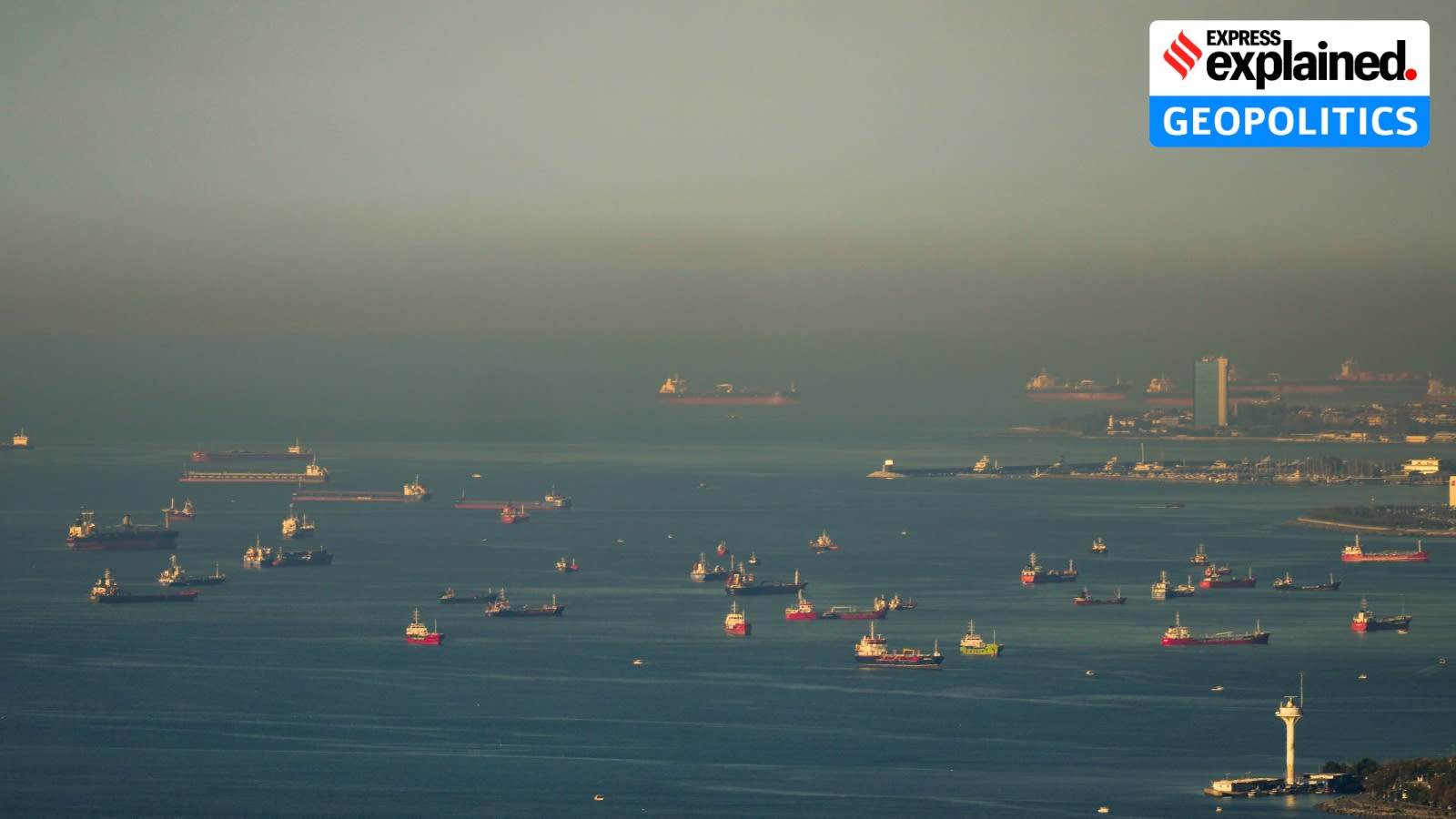
India has reportedly proposed a comprehensive peace plan to de-escalate the Russia-Ukraine conflict. The initiative focuses on securing Black Sea grain corridors and halting energy infrastructure strikes.
India's Diplomatic Pivot: A New Framework for Peace
Four years following the onset of the Russia-Ukraine conflict in February 2022, India has emerged as a potential mediator by introducing what is described as a 'comprehensive' and 'broad' proposal to end the war. This development, confirmed by Ukraine’s Foreign Minister Andrii Sybiha and acknowledged by Russian President Vladimir Putin’s praise for Prime Minister Narendra Modi’s 'very good ideas,' marks a significant shift in India’s traditionally cautious stance on the conflict.
The Mechanics of the Proposal
The core of the Indian proposal centers on a localized, 'limited' and 'partial' ceasefire designed to provide immediate relief to both sides. By focusing on the intense fighting observed since July around the Black Sea, the plan aims to create a secure corridor for Ukraine’s agricultural exports. This is a critical move, as the Black Sea serves as the primary artery for Ukrainian grain to reach global markets, directly impacting international food security and commodity price stability.
Strategic De-escalation and Infrastructure
Beyond agricultural security, the proposal calls for a mutual cessation of hostilities against critical infrastructure. Specifically, Russia would be expected to halt its targeted strikes on Ukraine’s energy grid, which have been a primary driver of humanitarian crises throughout the winter months. In exchange, Ukraine would refrain from attacking Russian military positions along the established line of contact. This reciprocal arrangement suggests a pragmatic approach to de-escalation, focusing on stabilizing the current status quo before attempting broader diplomatic negotiations.
Geopolitical Implications and Motivations
India’s involvement reflects its unique position as a global player with deep, long-standing ties to both Moscow and Western capitals. By positioning itself as a broker, New Delhi is signaling a desire to protect its own economic interests—particularly regarding crude oil imports and global supply chain stability—which have been volatile since the war began. The timing of this proposal suggests that India is leveraging its strategic autonomy to prevent further regional instability that could threaten global economic recovery.
The Shadow of International Politics
While the proposal is framed in humanitarian and economic terms, the backdrop of international relations, including the shifting political landscape in the United States and the influence of figures like Donald Trump, cannot be ignored. The mention of potential political shifts suggests that global powers are preparing for a post-war environment where the current security architecture may be fundamentally rewritten. India’s initiative serves as a preemptive measure to ensure that the eventual transition to peace is managed through diplomatic channels rather than unilateral military outcomes.
Future Outlook
Looking ahead, the success of this proposal will depend on the willingness of both Kyiv and Moscow to accept a 'partial' ceasefire as a stepping stone toward a more permanent resolution. If India can successfully facilitate this dialogue, it would mark a major victory for its foreign policy, proving that middle-power diplomacy can bridge the gaps left by the polarized perspectives of major global blocs. Whether this leads to a lasting peace or merely a temporary pause, it represents the most substantive diplomatic effort from New Delhi to date.