
The Illusion of the Circular Loop
Garbage persists. Most cities pretend that recycling solves the volume problem. This delusion ignores the basic physics of consumption.
"How is food not part of civic infrastructure, like water?"— Jerusalem Food Rescuers
Jerusalem struggles with a brutal contradiction. Fifty-one percent of children live below the poverty line while edible produce rots in wholesale markets. Metzilot HaMazon salvages seven to ten tons of food weekly to bridge this gap. This is not a strategy; it is a desperate patch on a broken system.
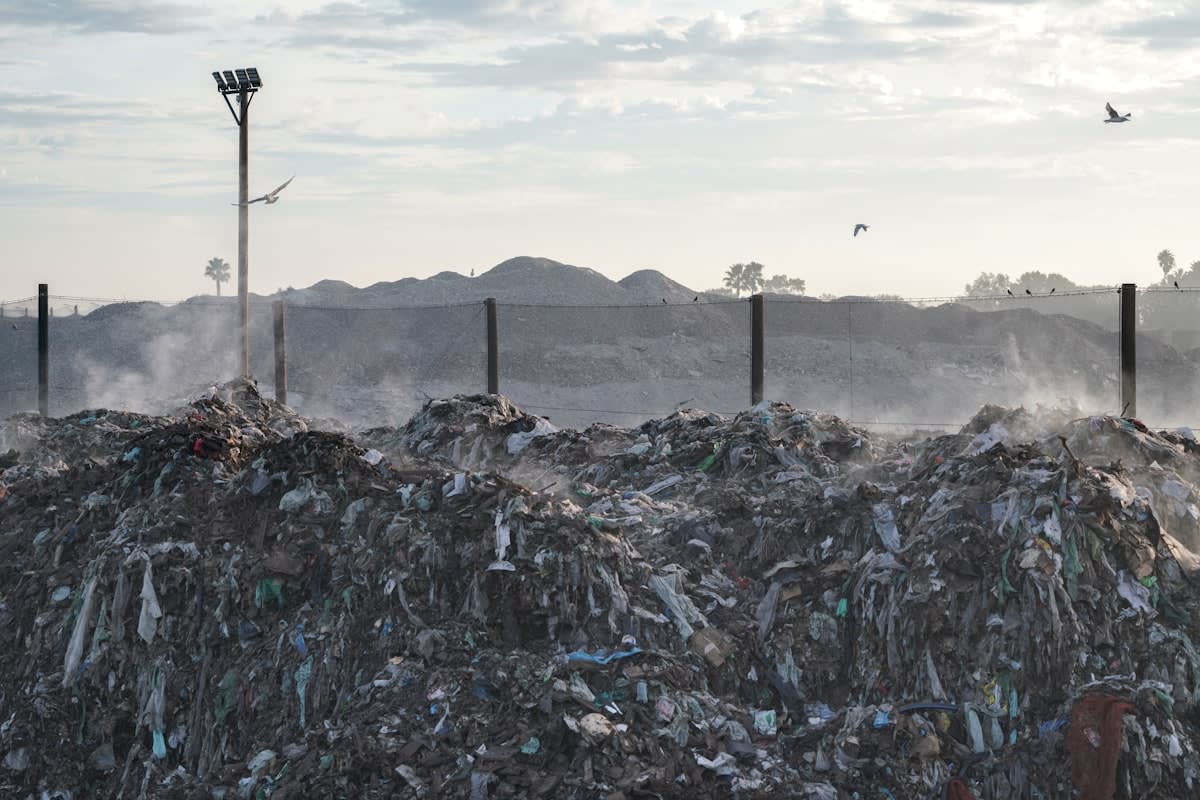
United States infrastructure relies on sheer scale. The nation generates 292 million tons of trash annually. Facilities in Spokane, Washington, incinerate this mass to power the grid. It is a convenient mechanism that allows consumption to remain unchecked.
Energy Security as a Political Weapon
Fuel is power. Asia Pacific nations are now weaponizing their waste streams through biodiesel and biomethane. Indonesia's B40 mandate seeks to slash imports and retain domestic value. Efficiency is the goal, but public trust remains the fragile variable.
| Region | Key Metric | Value | Systemic Driver |
|---|---|---|---|
| USA | Annual Waste Generation | 292 Million Tons | Waste-to-Energy Conversion |
| Jerusalem | Child Poverty Rate | 51% | Civic Infrastructure Failure |
| Asia Pacific | Biodiesel Mandate | B40 | Energy Security/Import Reduction |
| Jerusalem NGO | Weekly Food Salvage | 7-10 Tons | Urban Food Policy Gap |
Logistics dictate the outcome. These bioenergy markets prove that scaling depends on feedstock management rather than idealistic goals. Waste is no longer a nuisance; it is a strategic asset.
The Sink Paradox
Megacities cannot survive on circularity alone. They require final sinks to dump the toxicity and residual waste that no amount of recycling can eliminate.
Research confirms this necessity. Circular economies provide a polished veneer of sustainability. Actual urban survival depends on the existence of final sinks to handle the byproduct of massive resource consumption.

Power dynamics remain unchanged. Those who control the waste control the energy. Industry architecture is designed to fail so that salvage operations can be framed as heroic efforts.