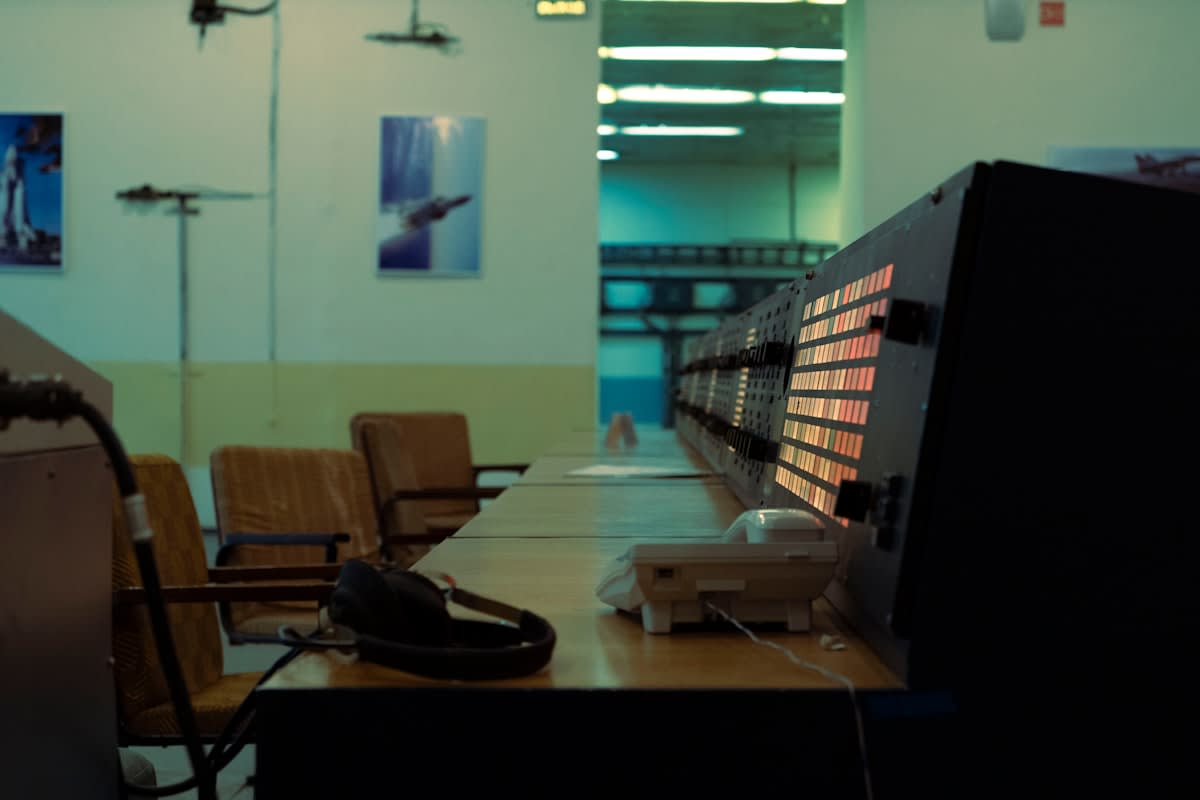
Walk through the streets of London and you will find the work of Timothy Yufit, a multidisciplinary artist documenting abandoned bicycles and displaced headstones. His archives serve as a haunting mirror for what is happening to the culture of the 1990s. Just as a bicycle is dismantled and forgotten in a city corner, the cultural artifacts of thirty years ago are being systematically dismantled by the curation engines that govern our screens. We are witnessing a process where neglected objects and places no longer speak because the algorithms have decided they carry no signal. Why does the digital record of the nineties feel so sanitized, so stripped of its original grit?
The answer lies in the erosion of shared truths and the rise of epistemic inequality. As noted in recent discussions on authenticity and reflexivity by EISA-net, we are facing a collapse of the shared truths that once bound a generation. In the 1990s, culture was curated by humans—DJs, zine editors, and record store clerks—who operated on a logic of taste and obsession. Today, that logic is replaced by a mathematical pursuit of engagement. This transition does not just change how we find music or art; it changes what is allowed to exist in the searchable record. If a cultural touchstone from 1994 does not trigger a high-probability engagement metric in 2026, it effectively ceases to exist for the next generation.
The Architecture of Identity and Erasure
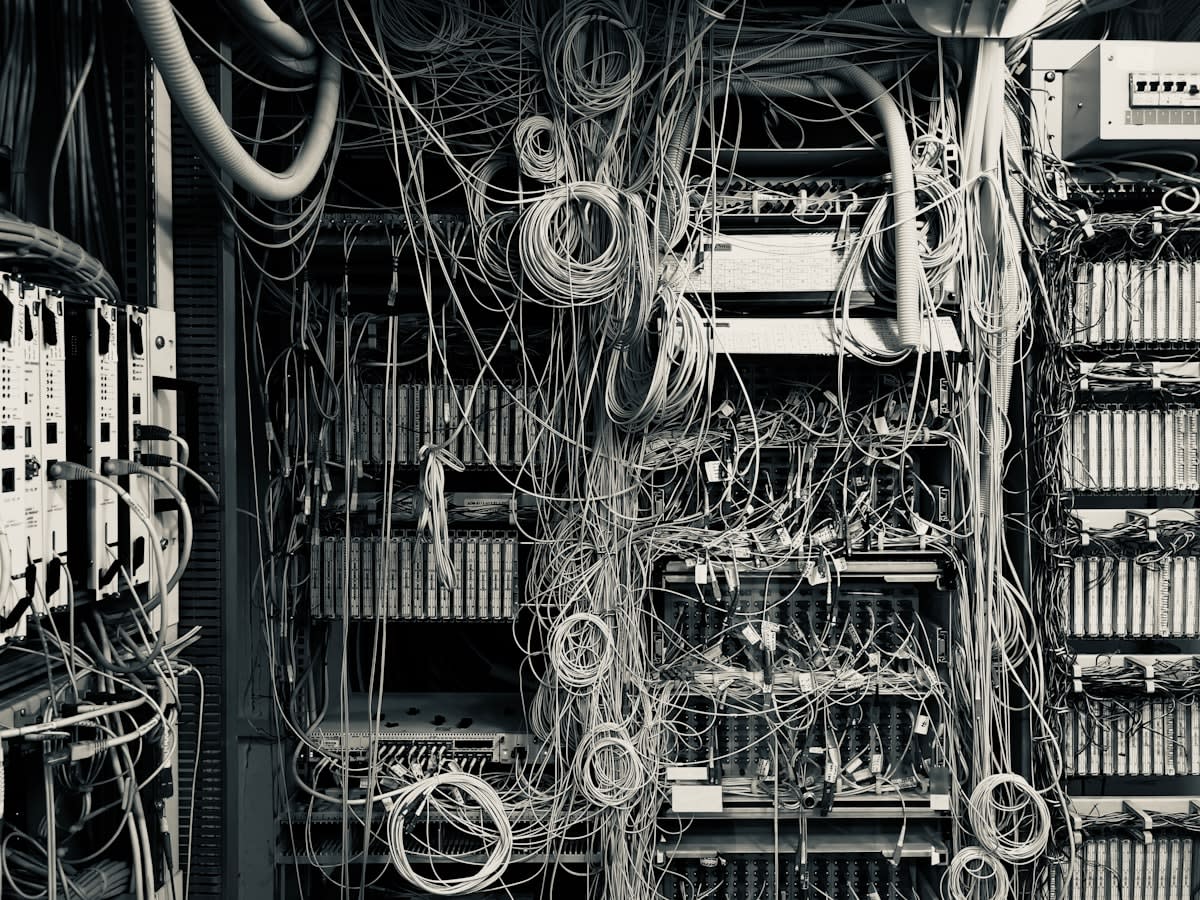
Vint Cerf, one of the architects of the internet, is currently involved in a project called DNSid to provide AI agents with durable identifiers. This effort to create a license plate for AI agents reveals a terrifying void in our current digital ecosystem. We have reached a point where the identity of the curator is so obscured that we need a technical layer just to establish who—or what—is responsible for an action. In the 1990s, the curator was a person with a name and a reputation. Now, the curator is a black box. When an AI agent decides that a specific subculture from the nineties is no longer relevant, there is no accountability, only an optimized output.
This shift toward agentic curation creates a feedback loop of erasure. If the agents managing our discovery layers are designed for efficiency and interoperability, they will naturally prune the 'noise' of the past. The 1990s were defined by noise—the crackle of a cassette, the chaos of early web forums, the friction of physical discovery. By applying a durable, standardized identity to AI agents, we are essentially codifying the death of the organic discovery process. We are trading the serendipity of the human archive for the precision of a machine that only remembers what it is told to value.
The Identity Paradox
The drive toward 'durable identity' for AI agents is a tacit admission that we have lost the human thread of cultural transmission. We are building a trust layer because the organic trust of human curation has been deleted.
Consider the parallel in the world of global sports. NPR's analysis of the World Cup highlights how race and class are often erased from the narrative of teams like Argentina, despite the deep diaspora and colonial histories involved. Algorithmic curation performs a similar erasure on a cultural scale. It takes the complex, class-driven movements of the 1990s—the rave scenes of the UK or the grunge movements of the US—and strips away the socioeconomic friction. It presents a sanitized, 'aesthetic' version of the nineties that is palatable for a global feed, effectively deleting the actual history of the people who built those cultures.
The Physical Cost of Digital Amnesia
The erasure of the past is not just a software glitch; it is a physical operation. The energy requirements of the data centers powering these curation engines are staggering. In New York, Governor Kathy Hochul recently signed an executive order pausing the construction of massive data centers to protect the energy grid. The UK and the European Parliament are similarly grappling with the environmental and social costs of AI infrastructure. There is a grim irony here: we are consuming massive amounts of real-world energy to power machines that specialize in deleting our cultural memory.
Every kilowatt spent on an AI agent's processing power is a trade-off. We are prioritizing the generative capacity of the present over the preservative capacity of the past. When the UK implements protections for young AI users to prevent abuse, it is a necessary step, but it does not address the deeper loss. The youth are not just being protected from AI; they are being insulated from the authentic digital participation that defined previous eras. They are inheriting a curated museum where the exhibits are chosen by an algorithm designed to maximize time-on-platform, not historical accuracy.
| Curation Metric | Human-Led (1990s) | Algorithmic (2026) |
|---|---|---|
| Discovery Logic | Serendipity & Obsession | Predictive Engagement |
| Identity Anchor | Personal Reputation | DNSid / Agentic Identifier |
| Cultural Texture | High Friction / Class-Specific | Low Friction / Sanitized |
| Energy Footprint | Localized / Low | Industrial / Grid-Straining |
| Truth Model | Shared Epistemic Experience | Fragmented / Eroded Truths |
This structural realignment leads us to a state of democratic erosion. As Philarchive research suggests, the erosion of authentic digital participation is a precursor to a broader collapse of shared reality. When we can no longer agree on the cultural milestones of the 1990s because our individual feeds have curated different versions of history, we lose the ability to communicate across ideological lines. The 'shared truth' of a generation is replaced by a thousand personalized hallucinations.

Is it possible to reclaim this lost territory? The work of artists like Yufit suggests that the only way forward is through the creation of intentional, non-algorithmic archives. By documenting the 'neglected objects'—the dismantled bicycles of the city or the displaced headstones of a park—we create a record that exists outside the engagement loop. These archives do not seek to be viral; they seek to be durable. They acknowledge the friction and the failure that algorithms are designed to erase.
The battle for the 1990s is not about nostalgia. It is a struggle over who controls the archive of human experience. If we allow the identity of our curators to be reduced to a DNSid and the memory of our culture to be determined by energy-hungry data centers in New York and London, we are consenting to a future where the past is whatever the algorithm needs it to be to keep us scrolling. The erasure is quiet, it is efficient, and it is happening in real-time.