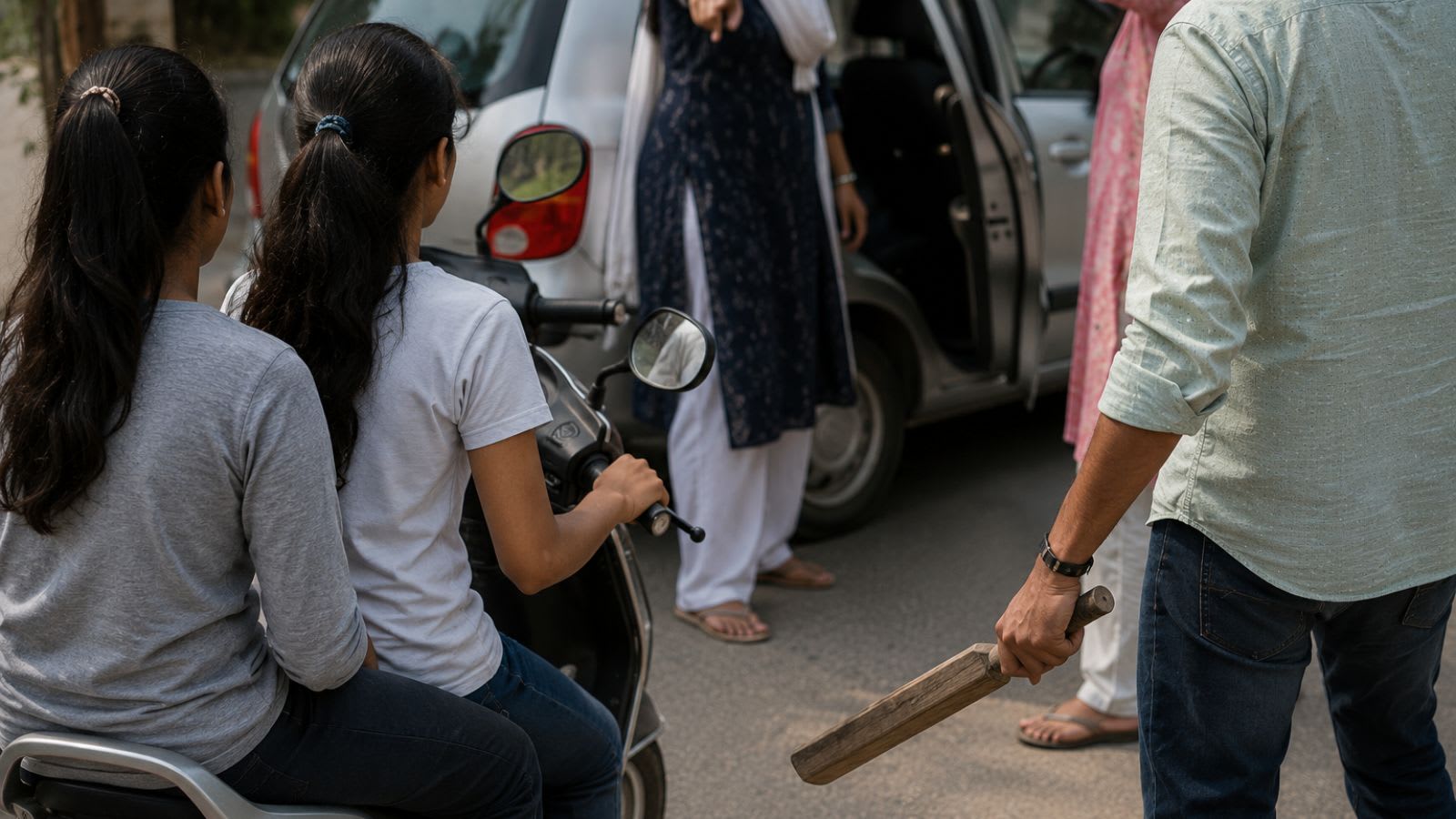
Class 12 sisters in Gujarat attacked with cricket bat by schoolmate’s family
Source Entity
The Indian Express
Two separate, disturbing incidents in Karnataka and Gujarat highlight rising concerns over the safety and protection of minors. Authorities in both states have launched investigations into sexual assault and violent physical attacks involving teenagers.
Alarming Trends in Crimes Against Minors
Recent reports from Karnataka and Gujarat have brought to light two distinct but equally harrowing incidents involving minors, underscoring significant challenges in child safety and social welfare within India. In Hubballi-Dharwad, Karnataka, police are conducting a POCSO (Protection of Children from Sexual Offences) investigation following the discovery of underage pregnancies within a single family. Simultaneously, in Bharuch, Gujarat, a violent altercation involving a cricket bat left two teenage sisters hospitalized after being attacked by the family of a schoolmate.
The Karnataka POCSO Investigation
Hubballi-Dharwad Police Commissioner N Shashikumar has confirmed that the investigation into the sexual assault of two minor cousins is underway. The gravity of this situation is heightened by the medical history of the victims, particularly the 15-year-old girl who has conceived for the second time within a single year. This follows a separate incident involving a 14-year-old cousin who delivered a baby at home under suspicious circumstances. These cases highlight the urgent need for systemic intervention in households where minors are vulnerable to repeated abuse and the long-term trauma associated with early pregnancy.
Violence in Gujarat: The Bharuch Assault
In a separate incident in Bharuch, Gujarat, two sisters aged 18 and 17 were targeted while traveling to their tuition classes. The assault, involving a cricket bat and a group of attackers including the parents and grandmother of a schoolmate, marks a disturbing escalation of a dispute between minors. The intervention of adult family members in what began as a disagreement between schoolmates signals a breakdown in conflict resolution and an alarming normalization of violence in interpersonal disputes.
Legal and Societal Implications
Both incidents demand a robust legal response. The Karnataka case falls under the stringent provisions of the POCSO Act, which is designed to protect minors from sexual exploitation and ensure that perpetrators face severe legal consequences. The Bharuch case, meanwhile, involves assault and grievous bodily harm, requiring a thorough investigation into why a school-level disagreement escalated to a planned ambush by an entire family unit.
Addressing the Root Causes
These events serve as a grim reminder of the societal gaps in protecting minors. Whether it is the failure to prevent cycles of sexual abuse within familial settings or the inability to keep school-related conflicts from turning into violent physical attacks, these cases suggest that community awareness and child protection mechanisms require urgent strengthening. The use of CCTV footage in the Bharuch case has been pivotal, yet it only highlights the crime after the fact, emphasizing the need for proactive community monitoring.
Conclusion and Future Outlook
As police in both states continue their investigations, the focus must remain on justice for the victims and the implementation of better preventative measures. The recurring nature of such violence necessitates a multi-faceted approach involving schools, local authorities, and social workers to identify at-risk youth before incidents escalate. Moving forward, the prosecution of these cases will be a litmus test for the effectiveness of current child protection laws in curbing such egregious violations of human rights.
Multiple Citing Sources