Sonam Wangchuk Removed From Protest Site, Taken To Hospital On Day 21 Of Hunger Strike
Source Entity
NDTV News Search Records Found 1000
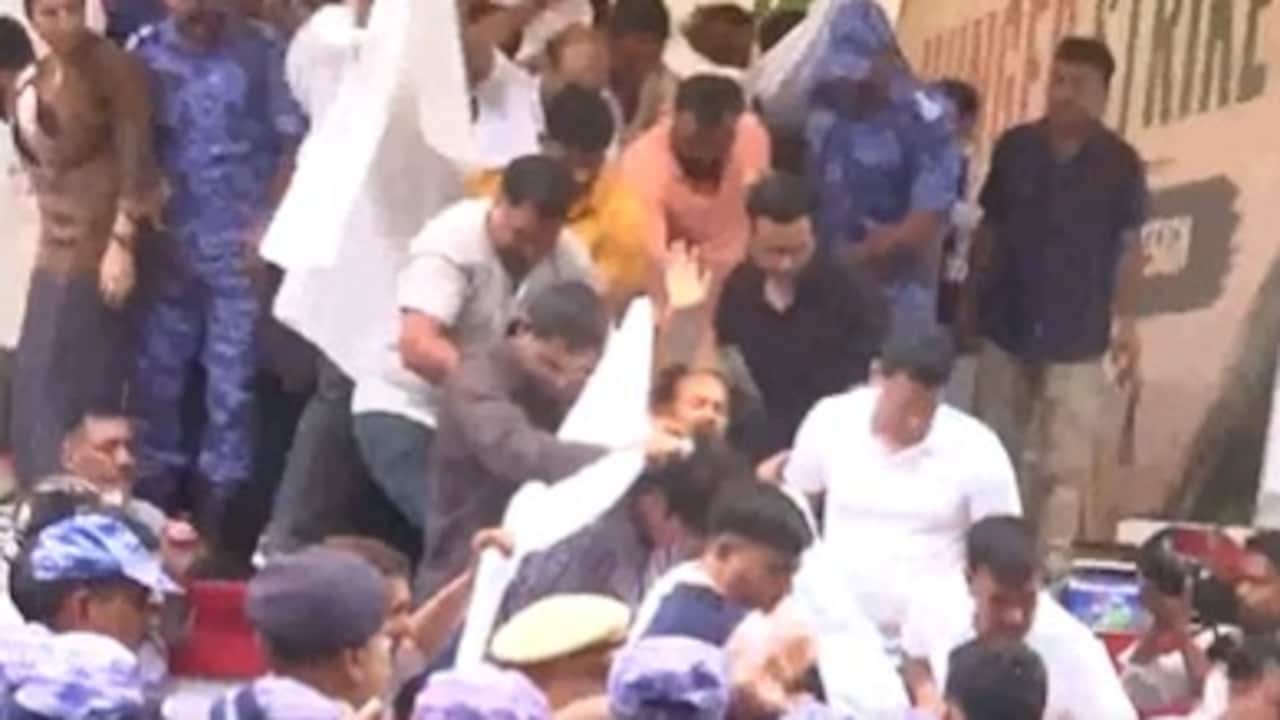
Climate activist Sonam Wangchuk has been shifted to Safdarjung Hospital following a 21-day hunger strike. His family has demanded strict adherence to medical consent protocols as police reports confirm his vitals remain stable.
The Hospitalization of Sonam Wangchuk: A Critical Juncture
On July 18, 2026, the long-standing hunger strike led by educator and climate activist Sonam Wangchuk reached a pivotal moment when Delhi Police transitioned him from the protest site to Safdarjung Hospital. This move, executed under the direction of the Delhi High Court and based on medical advice, marks the end of his 21-day public fast, which had drawn significant attention to the ongoing protest movement. The intervention underscores the delicate balance between state-enforced public order and the health of individual activists engaging in non-violent civil disobedience.
Medical Intervention and Procedural Oversight
According to official statements from the Delhi Deputy Commissioner of Police (DCP), the decision to relocate Wangchuk was rooted in the necessity of providing 'essential medical care' due to his deteriorating physical state. As a veteran activist, Wangchuk’s health had become a central point of concern for both his supporters and the authorities. The involvement of the High Court suggests that the state sought a legal framework for this intervention to mitigate the political fallout that often accompanies the forced hospitalization of prominent public figures.
The Role of Family and Informed Consent
Following the transfer, Wangchuk’s wife, Gitanjali J. Angmo, issued a firm directive regarding his medical treatment. By demanding that no oral or intravenous substances be administered without the explicit consent of the family and his personal medical team, she has highlighted the importance of bodily autonomy for those on hunger strikes. This request reflects a deep-seated distrust or, at the very least, a desire for transparency in how the state manages the health of high-profile detainees or protesters.
Broader Context of the Jantar Mantar Protests
The protest, which has been linked to the 'Cockroach Janta Party' movement, represents a unique fusion of digital satire and traditional street activism. The allegations of lathi-charging students at Jantar Mantar, coupled with the detention of figures like Abhijeet Dipke, indicate a volatile environment. The movement's evolution from a social media phenomenon into a physical confrontation at the capital’s protest hubs demonstrates the growing influence of online discourse on real-world political mobilization in India.
Implications for Future Activism
The hospitalization of Wangchuk raises broader questions about the sustainability of indefinite hunger strikes as a tool for political advocacy. While these protests are effective at gaining public sympathy and media attention, they place immense strain on the state’s administrative and judicial apparatus. As the situation develops, observers will be watching closely to see how the government balances the right to protest with the duty to preserve life, and whether this hospitalization will lead to a de-escalation of the broader movement or a new phase of intense public outcry.
Multiple Citing Sources
Verification Required?