Why the Supreme Court questioned the two-child rule for panchayat elections
Source Entity
Amaal Sheikh
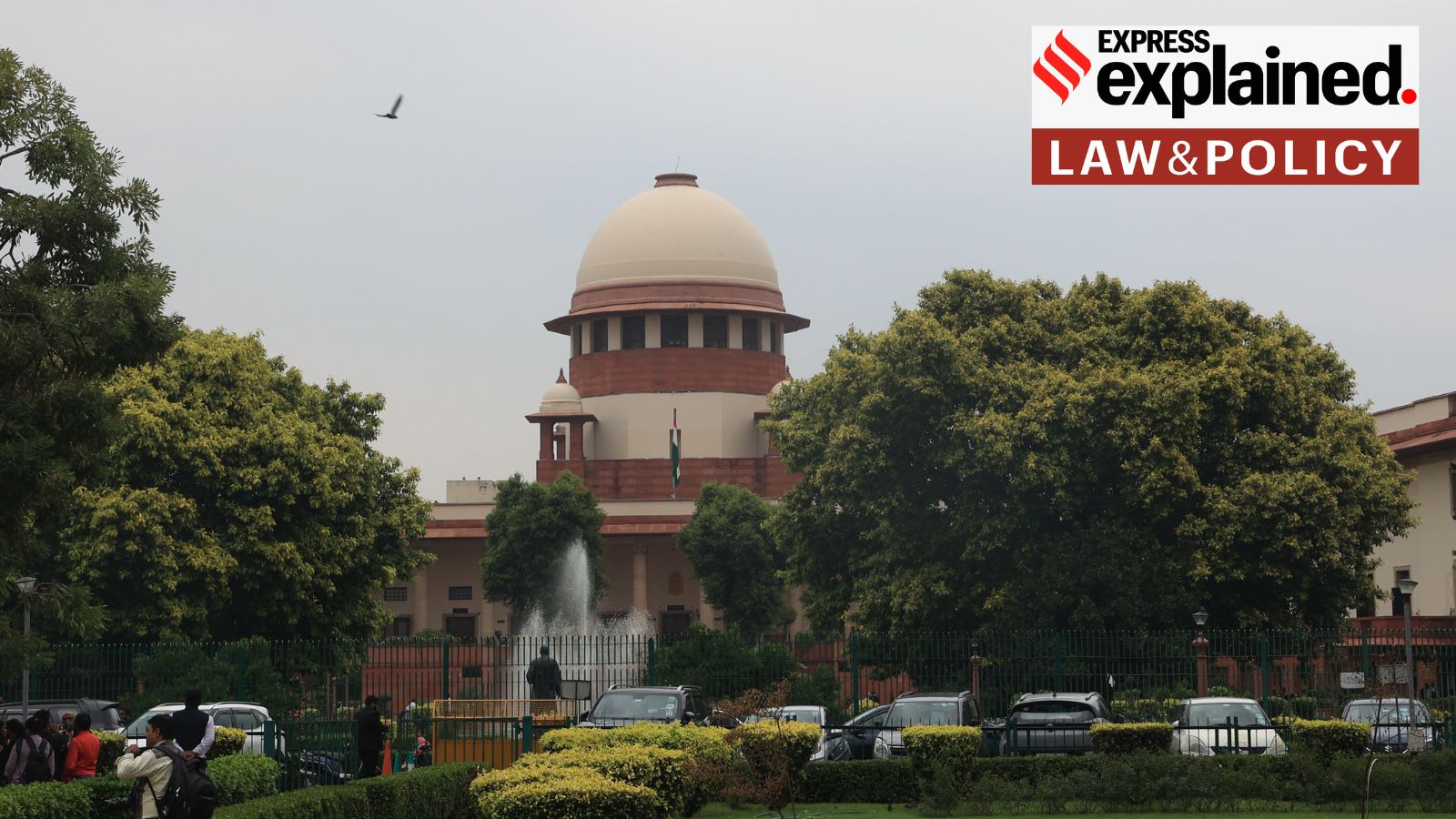
The Supreme Court is reviewing the relevance of two-child disqualification laws for panchayat elections in light of declining fertility rates. The bench has appointed an amicus curiae to assess the necessity of these policies and potential legal shifts.
The Supreme Court Re-evaluates Population Control Mandates
On July 14, the Supreme Court of India initiated a critical judicial inquiry into the ongoing validity of state-level laws that disqualify individuals with more than two children from contesting panchayat elections. A bench comprising Justices P.S. Narasimha and Alok Aradhe raised fundamental questions regarding whether these legislative measures, originally conceived as population control mechanisms, remain relevant in the contemporary demographic landscape of India.
Challenging the Demographic Rationale
The core of the Court’s skepticism lies in the shifting statistical reality of the nation. As the bench noted, India’s fertility rate has witnessed a significant decline, rendering the original urgency behind these restrictive policies questionable. By asking whether such policies should continue, the Court is signaling a potential paradigm shift in how local governance eligibility is viewed. The judiciary is effectively challenging the state’s reliance on punitive measures when national data suggests that the demographic transition is already well underway.
The Legal Precedent: Revisiting Javed v. State of Haryana
A significant aspect of this judicial review is the potential reconsideration of the landmark Javed v. State of Haryana judgment. That ruling previously upheld the constitutionality of the two-child norm for local body elections, establishing a precedent that has guided state legislatures for years. By questioning this ruling, the Supreme Court is opening the door to a broader constitutional debate on whether a policy that was once deemed a reasonable restriction remains so in the face of changing socio-economic conditions.
The Role of Amicus Curiae and Data Collection
To facilitate a comprehensive review, the Court has appointed Advocate Rukmini Bobde as an amicus curiae, tasked with surveying the prevalence of these laws across various states. This move highlights the Court's commitment to a holistic understanding of the legislative landscape. Simultaneously, the petitioner’s counsel, Advocate-on-Record Pratik Bombarde, has been directed to provide relevant evidentiary material to support the contention that these laws may have outlived their utility.
Broader Implications for Local Governance
These laws have historically served as a gatekeeping mechanism for democratic participation at the grassroots level. Critics have long argued that such disqualification criteria disproportionately impact marginalized communities and women, potentially hindering inclusive representation. If the Supreme Court ultimately finds that these laws no longer serve a compelling state interest, it could lead to widespread legislative reform, potentially restoring the right to contest elections for thousands of citizens previously barred by these norms.
Future Trends and Judicial Oversight
The outcome of this case will likely set a new benchmark for how India balances population policy with democratic rights. Should the Court strike down or limit these provisions, it would represent a significant evolution in Indian jurisprudence, favoring inclusivity over outdated demographic control strategies. This case highlights the judiciary's evolving role in ensuring that administrative policies remain grounded in current, rather than historical, socio-demographic realities.