Is Secret Service really frustrated with JD Vance and family? All we know amid ‘ridiculous’ demands report
Source Entity
Latest News: Today's Latest News Headlines from India & World | Hindustan Times | Hindustan Times
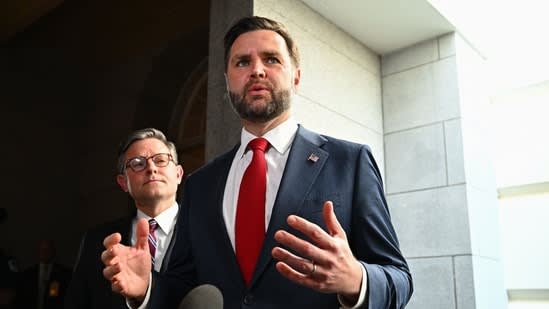
US Secret Service agents are reportedly experiencing declining morale due to frequent last-minute travel demands from Vice President JD Vance and his family. The tension highlights broader challenges regarding the logistical burden placed on protective details during high-profile political campaigns.
Tensions Emerge Within the Secret Service Detail
Recent reports indicate that the United States Secret Service (USSS) agents tasked with protecting Vice President JD Vance are experiencing significant internal friction. According to emerging details, the primary source of this frustration stems from a pattern of frequent, last-minute alterations to travel schedules and logistical demands that complicate the already rigorous security protocols required for high-ranking government officials.
The Operational Toll of Last-Minute Demands
The protective detail assigned to a Vice President operates under strict security parameters that require meticulous planning, threat assessment, and coordination with local law enforcement. When schedules are altered on short notice, it forces agents to scramble to secure new locations and transport routes, often compromising the efficiency of these established protocols. Reports suggest that these recurring changes have begun to take a measurable toll on the morale of the agents involved, who are tasked with maintaining constant vigilance under high-pressure conditions.
The Marine Two Incident: A Case Study in Friction
Public attention was drawn to this issue by a specific, albeit canceled, incident involving a request to transport Vice President Vance and his young son via Marine Two—the call sign for the Vice President's official helicopter—to a golf lesson across Washington. While the trip was ultimately scrubbed due to inclement weather, the request itself reportedly caused significant internal disbelief among the protective detail. Such requests, which deviate from standard official business, place the USSS in the difficult position of balancing personal family logistics with the serious security mandates of the office.
Broader Implications for Executive Protection
This situation highlights a recurring challenge in executive protection: the intersection of personal life and public security. Historically, the Secret Service has been tasked with managing the balance between protecting officials and accommodating the logistical realities of their private lives. However, when the frequency of non-official travel demands increases, it creates a strain on resources and personnel. The reported internal frustration suggests a potential disconnect between the protective detail's operational requirements and the expectations of the principal they are sworn to protect.
Future Trends and Institutional Challenges
Looking forward, this report underscores the importance of clear communication and boundary-setting between political principals and their security details. As the Secret Service continues to navigate staffing shortages and heightened security threats in the modern political landscape, the management of logistical demands will likely become a point of increased scrutiny. Ensuring that agents are utilized efficiently is not merely a matter of convenience, but a critical component of maintaining the high level of readiness necessary to prevent security lapses.
Conclusion
In summary, the reports of frustration within JD Vance’s protective detail serve as a reminder of the immense logistical burden that accompanies high-level political office. While the Secret Service is committed to providing comprehensive protection, the sustainability of these operations relies on mutual understanding and the minimization of unnecessary operational stressors. As these reports circulate, they raise important questions about the operational culture and the specific demands placed on those who serve in the front lines of executive protection.
Verification Required?