Mamata out of power, how Martyrs’ Day shapes rebel groups’ battle for TMC legacy
Source Entity
Atri Mitra
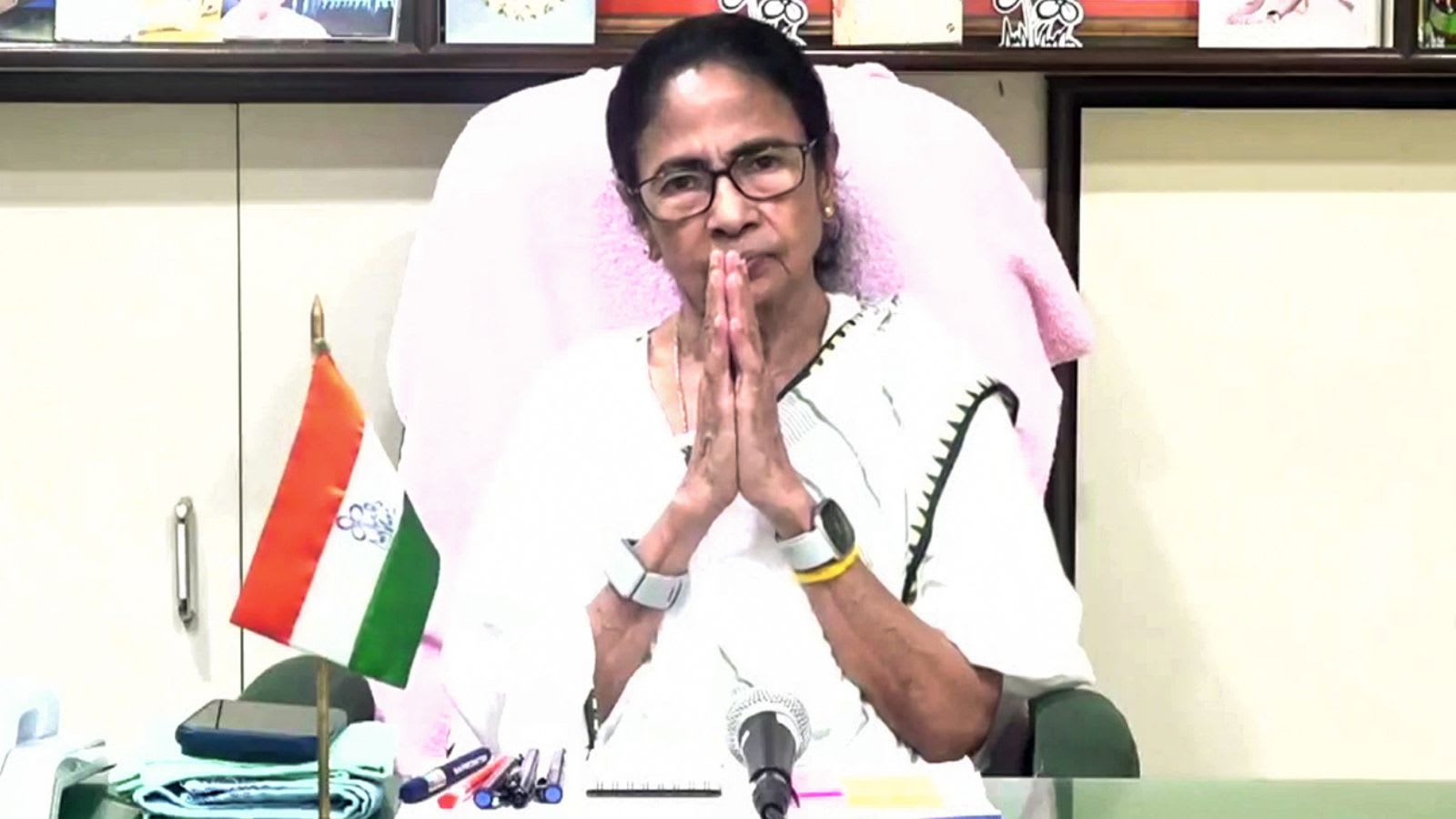
The end of Mamata Banerjee's 15-year TMC regime has led to a fractured party, with three distinct factions vying for control over the legacy of the annual July 21 Martyrs' Day event. This political shift has resulted in the cancellation of the traditional Central Avenue rally due to police-imposed prohibitory orders.
The Sunset of an Era: TMC's Fractured Legacy
The political landscape of West Bengal has undergone a seismic shift with the conclusion of the 15-year tenure of the Mamata Banerjee-led Trinamool Congress (TMC). This transition has fundamentally altered the state's power dynamics, but perhaps nowhere is this instability more visible than in the uncertainty surrounding the party’s most significant commemorative event: Martyrs’ Day, or Shaheed Diwas.
A Party Divided: The Struggle for Ideological Ownership
Since its inception on January 1, 1998, the Trinamool Congress has been synonymous with the political identity of Mamata Banerjee. However, the current political vacuum has seen the organization splinter into three distinct factions. Each group is now engaged in a high-stakes battle to claim the mantle of the party’s true successor, using the symbolic weight of the July 21 event as the primary stage to validate their legitimacy to the public and the party faithful.
The Erosion of Tradition
For nearly two decades, July 21 served as the bedrock of TMC’s mobilization efforts, with massive annual rallies held on Central Avenue in central Kolkata. This year marks a historic departure from that tradition. The absence of a unified rally on Central Avenue signifies more than just a change in venue; it highlights the total breakdown of the party’s internal cohesion and its inability to project a singular, authoritative voice in the post-Banerjee era.
Institutional Challenges and Administrative Hurdles
The administrative response to this fragmentation has been swift and restrictive. The Kolkata Police has imposed prohibitory orders in the city, effectively preventing any of the rival factions from utilizing the traditional sites of power. This intervention by law enforcement reflects the state's broader effort to maintain public order amid the intense infighting, further complicating the efforts of these rebel groups to demonstrate their political muscle.
Future Trends and Political Realignment
Looking ahead, the fragmentation of the TMC suggests a period of prolonged instability in West Bengal’s political theater. As these factions continue to vie for the legacy of the Martyrs' Day event, they are effectively diluting the brand power that once made the TMC a monolithic force. Whether any of these groups can coalesce into a viable successor or if they will continue to cannibalize each other's support remains the central question for political observers.
Conclusion
The dissolution of the 15-year TMC regime has brought the party to a precarious crossroads. By moving from a singular, unified movement to a collection of competing factions, the TMC faces an existential crisis. The failure to hold a traditional July 21 rally on Central Avenue serves as a potent metaphor for a party struggling to reconcile its past glory with a fractured and uncertain future.