Wangchuk shifted to Safdarjung hospital after 20 days of indefinite fast
Source Entity
ANUJA JAISWAL
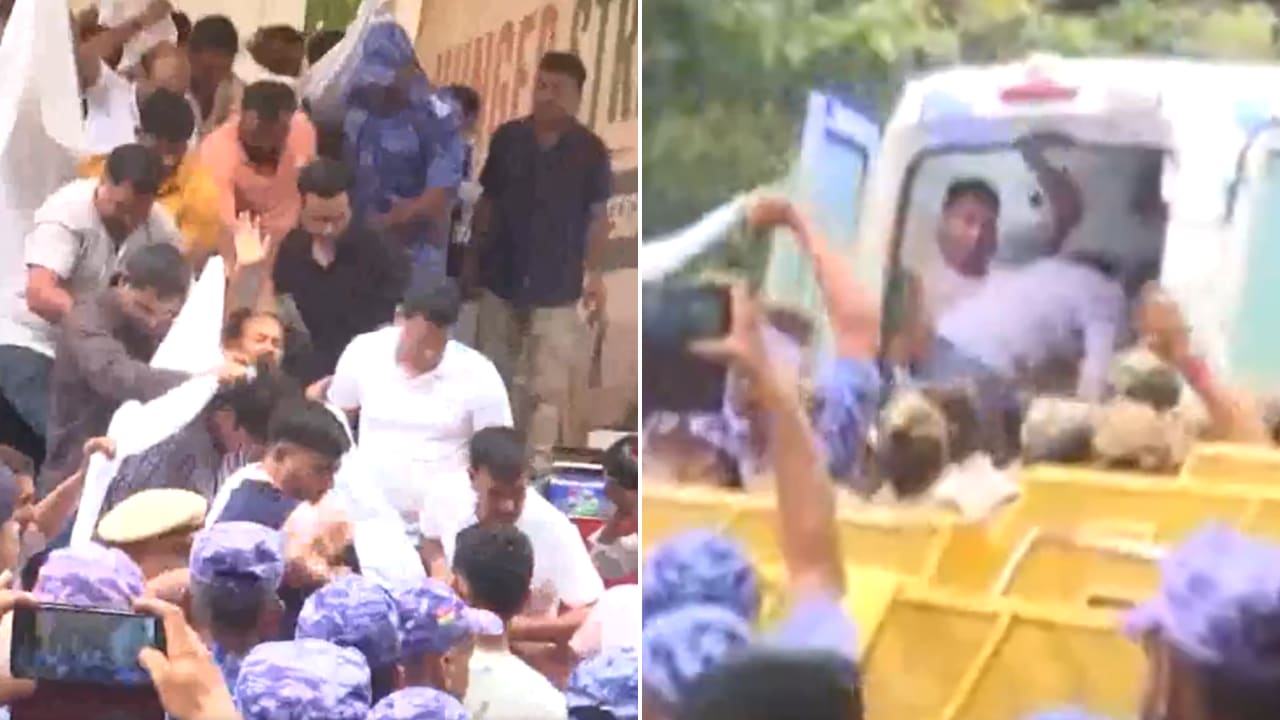
Climate activist Sonam Wangchuk has been shifted to Safdarjung Hospital following a 21-day hunger strike. Authorities cited medical necessity under court orders, while protests continue amidst allegations of police force.
The Hospitalization of Sonam Wangchuk: A Crisis Point
On July 18, 2026, climate activist and educator Sonam Wangchuk was transferred by the Delhi Police to Safdarjung Hospital. This development marks a critical juncture in his ongoing protest, as he had been observing an indefinite hunger strike for over 20 days. According to the New Delhi Deputy Commissioner of Police (DCP), the transfer was executed in compliance with Delhi High Court orders and based on professional medical advice, as his health had reached a point of significant deterioration.
The Legal and Medical Context
The decision to intervene in Mr. Wangchuk’s fast reflects the intersection of public order and individual civil liberties. The police authorities have emphasized that the move was rooted in a mandate to provide 'essential medical care' to prevent a life-threatening health catastrophe. However, this intervention has sparked immediate friction with his family. His wife, Gitanjali J. Angmo, has issued a firm directive requesting that no medical procedures, including oral or intravenous treatments, be administered without the explicit consent of his family and independent medical advisors who have monitored his condition throughout the three-week protest.
Escalation at the Protest Site
The situation at the Jantar Mantar protest site has become increasingly volatile. Reports indicate that the 'Cockroach Janta Party' has leveled serious allegations against the Delhi Police, claiming that law enforcement engaged in lathi-charging students present at the demonstration. These allegations have added a layer of civil unrest to the medical emergency, as the detention of individuals like Abhijeet Dipke further underscores the tension between the state's security apparatus and the activists' right to assemble.
The Evolution of the Movement
What began as a localized movement has expanded significantly, with the 'Cockroach Janta Party' emerging as a central figure in the narrative. The movement has effectively utilized social media satire to mobilize support, transforming from an online cultural phenomenon into one of India’s most prominent current protests. This transition highlights the growing power of digital activism in channeling public dissent and the subsequent challenges faced by authorities when managing such movements in physical public spaces.
Implications and Future Trends
As Mr. Wangchuk remains under medical supervision, the focus has shifted toward the sustainability of such long-term hunger strikes as a tool for political change. The incident highlights the precarious nature of protest-driven policy advocacy in India, where the state must balance the preservation of life with the democratic right to dissent. Moving forward, the outcome of this hospitalization and the subsequent handling of the protest will likely serve as a case study for how future movements navigate legal, medical, and social pressures in the national capital.
Conclusion
The hospitalization of Sonam Wangchuk represents a critical moment in a 21-day standoff. With his vitals currently reported as stable and the activist remaining conscious, the immediate medical crisis appears to be managed. However, the underlying political grievances and the allegations surrounding the police response at Jantar Mantar ensure that this issue will remain at the forefront of public discourse, necessitating a delicate balance between humanitarian concerns and administrative authority.
Multiple Citing Sources