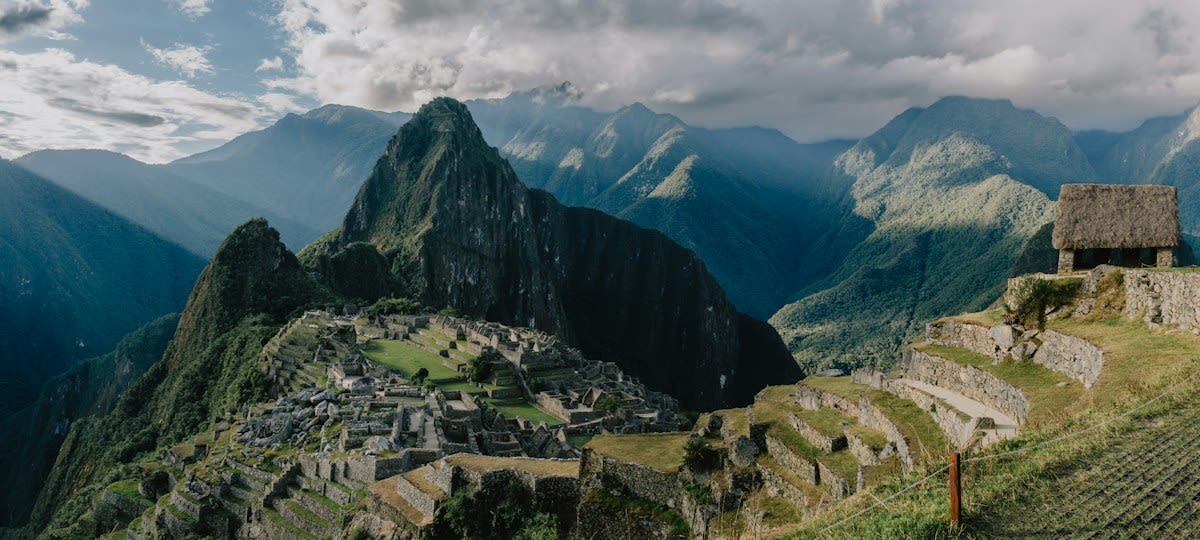
The Currency Delusion
Mainstream history loves a linear narrative. It tells us that societies evolve from barter to commodity money and finally to currency. The Andean high-altitude societies, specifically the Inca, are often framed as a 'missing link' because they skipped the coin phase. This is a curated lie. They didn't lack the intellectual capacity for currency; they recognized it as a systemic liability. In a vertical geography where transporting heavy goods is a nightmare, a portable token of value is useless if you cannot command the labor required to move the actual resource. Total control. No leakage. No inflation.
The empire operated as a massive, state-run corporate entity. Instead of taxing profits or land in currency, the state taxed time. This was the Mita system. Every adult male owed a specific number of days of labor to the state (Source: Murra, 1980). Whether it was building the road networks in the Colca Valley or farming the maize terraces of Cusco, the currency was the human hour. By controlling the clock, the Inca state eliminated the need for a medium of exchange. Why use a coin to buy bread when the state owns the field, the oven, and the person baking the bread?
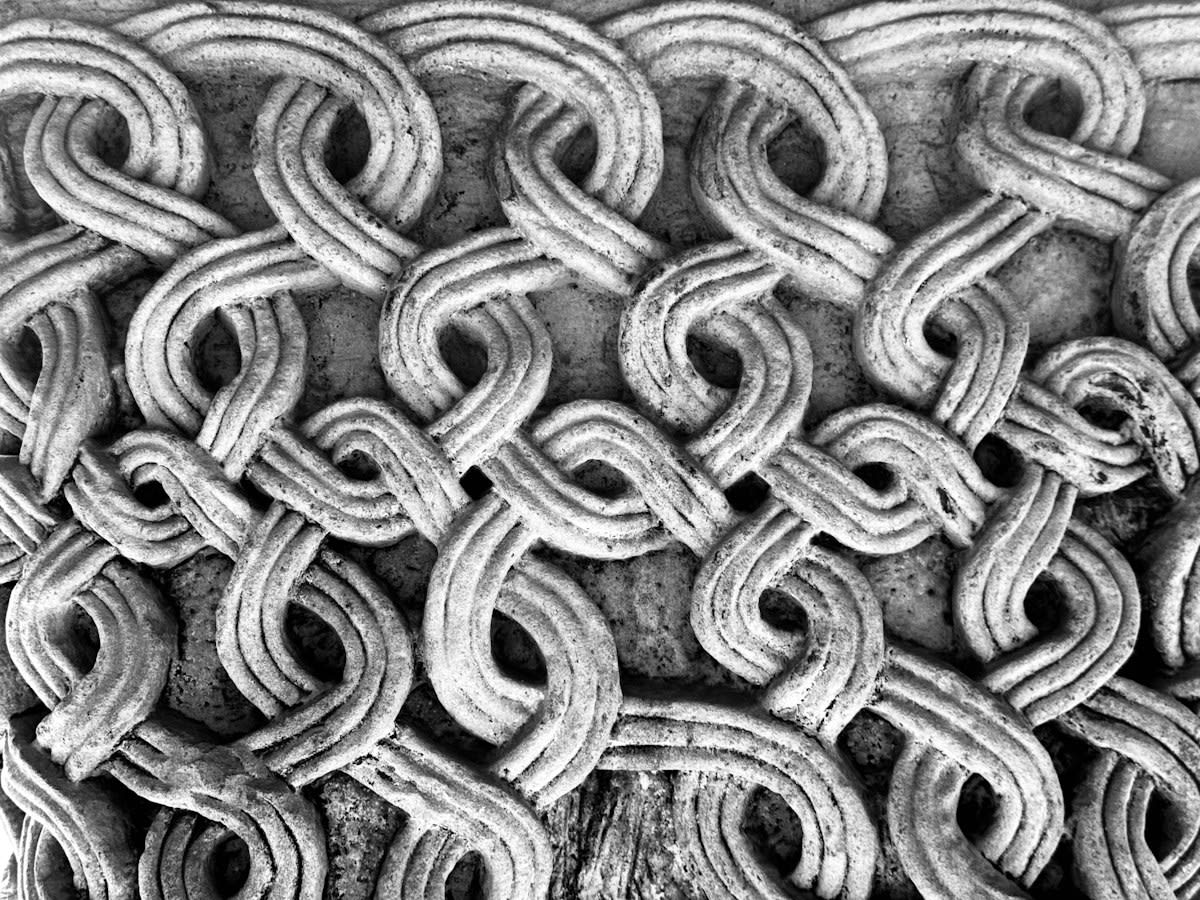
This wasn't a primitive arrangement. It was a high-precision logistics operation. To manage 12 million subjects across the Andes (Source: D'Altroy, 2002), the state utilized the Quipu. These knotted strings weren't just reminders; they were the API of the empire. They tracked census data, granary levels, and labor quotas with a level of granularity that would make a modern CFO sweat. The Quipu allowed the center in Cusco to know exactly how many bushels of quinoa were in a warehouse 500 miles away in the Lake Titicaca basin. Currency decentralizes power by allowing individuals to hoard value. The Quipu centralized it by making all value visible to the state.
"The quipu was a sophisticated device for recording information, a binary-like system that allowed for the administration of a vast territory without the need for a phonetic alphabet or a monetary medium."— Gary Urton, Curator at the Peabody Museum, Harvard University
Look at the geography. The Andes are a series of vertical ecological zones. You have the coast, the highlands, and the jungle, all stacked on top of each other. This is what John Murra called the 'Vertical Archipelago' (Source: Murra, 1980). In this system, a community doesn't trade with a neighbor for different crops; they send members of their own community to live in different zones. This internal diversification removes the need for a market. If you own the potato field at 12,000 feet and the coca leaf grove at 3,000 feet, you don't need a currency to facilitate the exchange. You just move the goods.
| Feature | Currency-Based Economy | Andean Labor Economy |
|---|---|---|
| Primary Value Unit | Currency/Specie | Labor Hours (Mita) |
| Power Distribution | Decentralized (Market-driven) | Centralized (State-driven) |
| Risk Management | Price Volatility/Inflation | Resource Storage (Qollcas) |
| Tracking Method | Written Ledgers/Bills | Quipu (Knot-records) |
| Resource Flow | Trade/Profit Motive | Reciprocity/State Mandate |
The physical infrastructure supported this rejection of money. The Qhapaq Ñan, a road network spanning over 40,000 kilometers (Source: UNESCO, 2014), served as the empire's conveyor belt. This wasn't a trade route for merchants; it was a military and administrative artery. Along these roads, the state built Qollcas—massive stone silos. These silos stored the surplus produced by Mita labor. When a region suffered a crop failure, the state didn't send financial aid; they sent actual food. Currency is a proxy for resources. The Inca decided that proxies were inefficient. They preferred the resource itself.
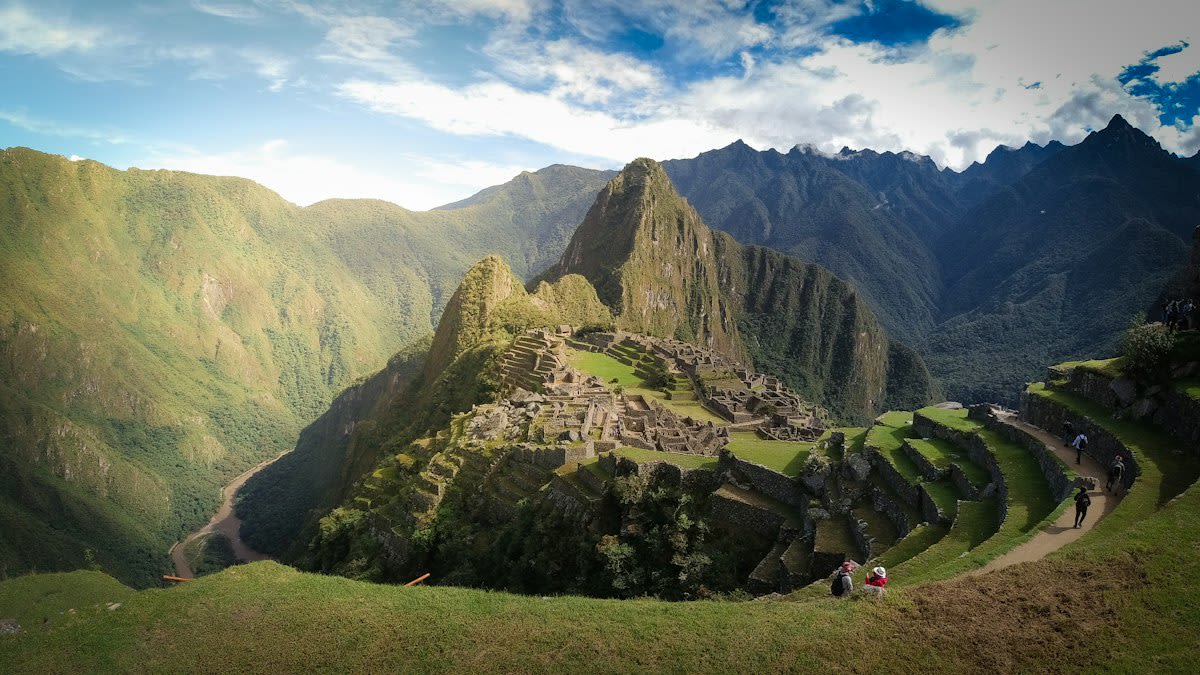
Then there is the gold. Westerners see the gold of the Inca and assume it was money. It wasn't. To the Inca, gold was the sweat of the sun—a ritual substance. It had zero exchange value in the daily economy. You couldn't buy a llama with a gold nugget because the llama owner didn't want gold; they wanted labor or a different ecological product. By decoupling precious metals from economic value, the state prevented the rise of a merchant class. A merchant class is a threat to an absolute monarchy. No money, no merchants, no competition.
- Elimination of Market Friction: Direct state allocation of resources bypassed price fluctuations.
- Strategic Labor Mobilization: The Mita allowed for massive infrastructure projects that currency could not coordinate as efficiently.
- Total Information Symmetry: The Quipu ensured the state knew exactly what existed and where, preventing hoarders from manipulating the supply.
The system relied on a layer of middle management: the Curacas. These local leaders were the ones who actually dealt with the friction of the quotas. They had to balance the state's demands with the community's survival. If the state demanded too many labor hours for a road project in the highlands, the local crops would rot. This created a constant, simmering tension between the periphery and the center in Cusco. The Curacas played a dangerous game, often fudging the Quipu data to protect their people while appearing compliant to the imperial inspectors.
Ground-Level Friction
The ground-level reality was far from a utopian collective. The Mita was essentially forced labor. While the state provided food and chicha (corn beer) during the work, the 'reciprocity' was coerced. Political infighting among the nobility often led to the sudden shifting of labor quotas, leaving entire villages depleted of men during critical planting seasons. The 'efficiency' of the system was built on the backs of a peasantry with zero bargaining power.
The collapse of this system was not due to internal economic failure, but to the introduction of European currency and disease. The Spanish brought a monetary mindset that the Andean structure couldn't absorb. Once you introduce a coin that can be hoarded and traded outside of the state's labor-ledger, the Mita system collapses. The Spanish didn't just conquer the Inca; they liquidated the labor-based economy and replaced it with an extractive mineral economy. They turned the 'sweat of the sun' into bullion and the 'labor hours' into slavery.
Fact-Check & Accuracy Note
Settled Claims: The Inca did not use a formal currency; the Mita was the primary system of labor tax; Quipus were used for accounting. Debated Claims: The exact nature of Quipus (whether they contained narrative/linguistic data or purely numerical data) remains a subject of intense academic debate among historians like Gary Urton and others.