Trump Says Son Paid Back Russian Oligarch For Wedding Parties
Source Entity
NDTV News Search Records Found 1000
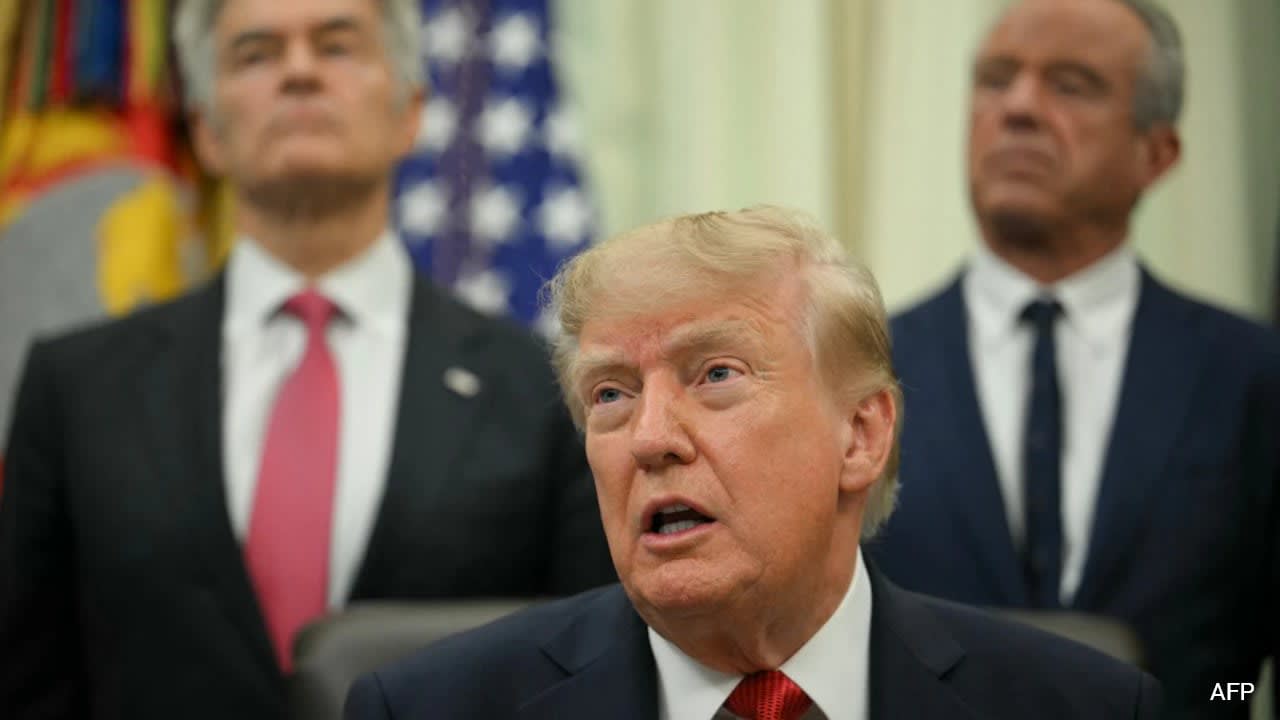
President Trump stated that his son, Donald Trump Jr., has repaid Russian oligarch Umar Kremlev for covering significant costs associated with his Bahamas wedding celebrations. The disclosure follows a congressional investigation into the financing of the event and the involvement of the International Boxing Association head.
The Intersection of Personal Finance and International Scrutiny
The recent revelation that Donald Trump Jr. received significant financial support from Russian oligarch Umar Kremlev for his Bahamas wedding celebrations has sparked intense political and ethical debate. According to reports, Kremlev, who serves as the head of the International Boxing Association, covered hundreds of thousands of dollars in expenses related to the festivities. This connection has drawn immediate attention due to the ongoing geopolitical tensions between the United States and Russia, as well as the heightened sensitivity surrounding any financial exchanges between members of the Trump family and prominent Russian figures.
The Repayment Narrative
President Donald Trump has publicly addressed the controversy, stating that his son, Donald Trump Jr., has moved to rectify the situation by repaying the funds. During recent comments, the President emphasized that while such gifts are technically permissible in many contexts, his son sought to remove the potential for conflict by ensuring Kremlev was made whole. This narrative of repayment serves as a central pillar in the defense against allegations of improper influence or undisclosed financial ties, attempting to neutralize the optics of an American political figure accepting substantial funds from a foreign national with significant institutional power.
Congressional Oversight and Transparency
The timing of these revelations is particularly critical, as they surfaced shortly after Democrats in the U.S. Congress initiated a formal investigation into the financing of the wedding. This inquiry underscores the broader implications of private financial arrangements involving high-profile political families. When foreign money enters the sphere of domestic political figures, it invites scrutiny regarding potential conflicts of interest, lobbying influence, and the transparency of international financial flows. The congressional interest highlights a growing demand for accountability concerning how private celebrations might intersect with public duty.
The Role of Umar Kremlev
Umar Kremlev is not merely a private businessman; his position as the leader of the International Boxing Association gives him a platform of international influence. His decision to bankroll a wedding celebration for the son of a U.S. President raises questions about the motivations behind such large-scale expenditures. Critics argue that such acts could be perceived as a form of 'soft power' or an attempt to build proximity to the levers of American political power. Conversely, defenders of the Trump family suggest that these are private interactions that do not necessarily correlate with policy decisions or political favors.
Broader Implications for Political Ethics
This incident serves as a case study for the complexities of political ethics in the modern era. The reliance on private funds for high-profile events often leaves public figures vulnerable to accusations of impropriety. Even if the funds are repaid, the initial acceptance of the financial support creates a narrative of dependence or indebtedness that is difficult to shake. As investigations continue, the focus will likely remain on whether these financial exchanges were ever intended to influence policy or if they represented a lapse in judgment regarding the perception of foreign involvement.
Future Trends and Concluding Thoughts
Moving forward, this event is likely to fuel ongoing debates regarding campaign finance laws and the disclosure requirements for the families of elected officials. The political landscape is increasingly sensitive to the optics of foreign money, and this episode will likely be cited in future legislative discussions about tightening ethics rules. Ultimately, while the immediate issue of the repayment may be resolved, the precedent set by this controversy will remain a point of contention for those concerned with the integrity of the American political system and its interactions with global figures.
Verification Required?