US President Donald Trump signs Russia sanctions bill into law
Source Entity
The Indian Express
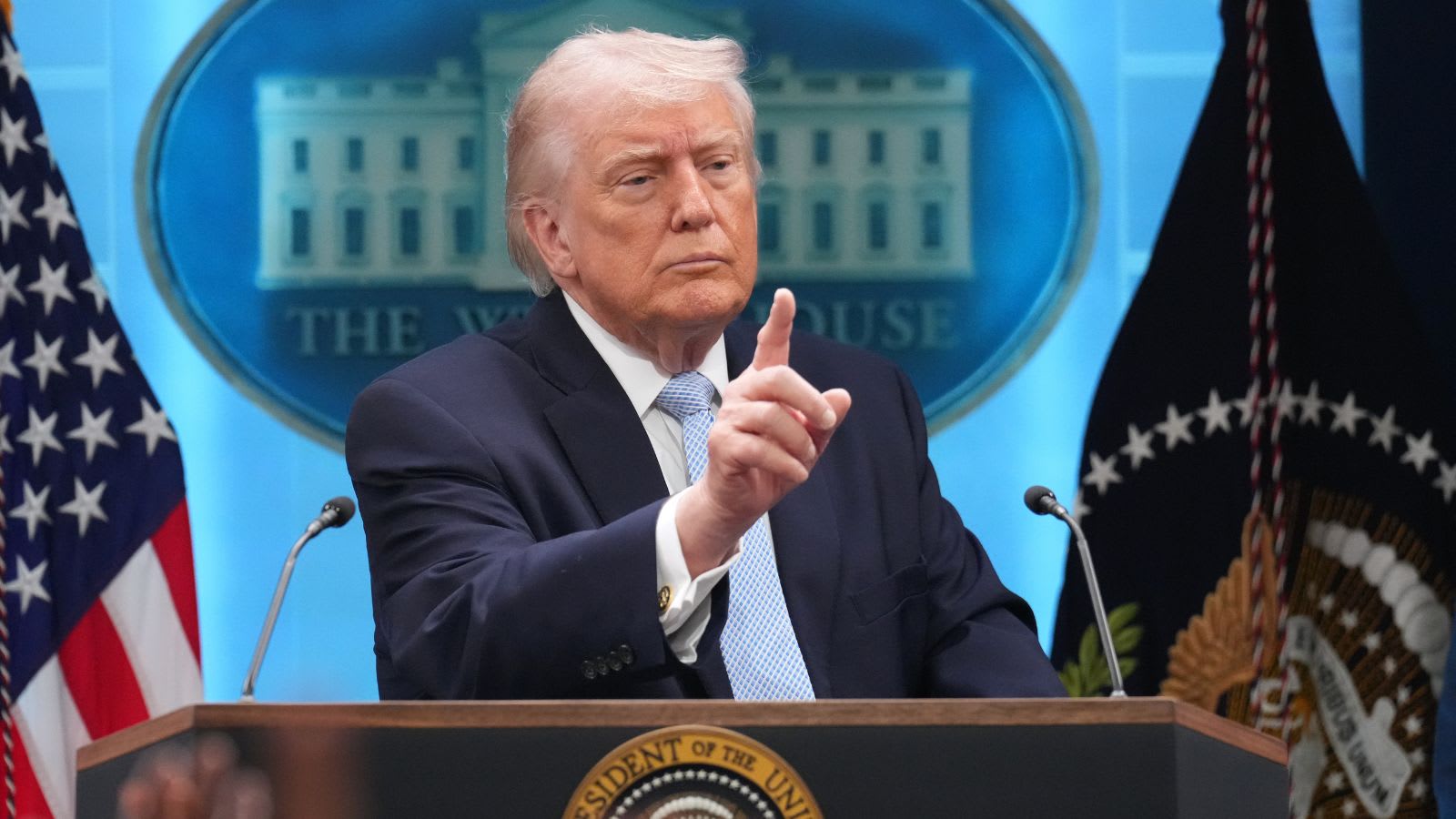
President Donald Trump has signed the 'Lindsay O. Graham Sanctioning Russia and Iran Act of 2026' into law. This legislation expands economic pressure through targeted sanctions and tariffs against Russia's energy and defense sectors, while also extending existing sanctions on Iran.
Legislative Escalation: The 2026 Sanctions Framework
President Donald Trump has officially signed the 'Lindsay O. Graham Sanctioning Russia and Iran Act of 2026' into law, marking a significant shift in U.S. foreign policy strategy. The legislation, identified as H.R. 5334, provides the executive branch with expanded statutory authority to apply rigorous economic pressure on both Moscow and Tehran. By formalizing this act, the administration aims to systematically dismantle the financial infrastructure supporting ongoing conflicts, specifically focusing on the intersection of energy exports and military procurement.
Targeting the Economic Lifelines
A core component of this new law is the direct targeting of Russia’s energy and defense industries. The legislation specifically addresses the 'shadow fleet' of tankers that have historically been utilized to circumvent international sanctions. By restricting the movement of these assets, the U.S. intends to strike at the primary revenue streams currently funding the invasion of Ukraine. This approach represents a more surgical, albeit aggressive, method of economic warfare designed to isolate the Russian state from global capital markets.
Expanding Executive Trade Authority
Beyond traditional asset freezes, the act grants the Trump administration sweeping powers to impose tariffs on Russia’s largest trading partners. This expansion of authority has sparked debate among policy analysts, as the legislation allows for tariffs that could persist well beyond the current presidential term. Critics express concern that this creates a precedent for long-term protectionist or punitive trade measures that could potentially draw other nations into the geopolitical crosshairs of the United States if they continue to facilitate trade with sanctioned entities.
Iran and the Continuity of Pressure
While much of the focus rests on the Russian Federation, the inclusion of Iran in the 2026 Act signals a commitment to maintaining a 'maximum pressure' campaign against Tehran. By extending existing sanctions, the U.S. government is reinforcing a policy of containment that seeks to limit Iran's regional influence and its ability to project power through proxy networks. The synchronization of these efforts suggests a unified strategic approach to dealing with states that the current administration views as primary geopolitical adversaries.
Broader Geopolitical Implications
The passage of the Lindsay O. Graham Act reflects an evolving understanding of modern economic statecraft. In an era where global supply chains are deeply interconnected, the use of targeted tariffs serves as a tool not just for domestic protection, but for coercive diplomacy on the international stage. As these sanctions take effect, the global market will likely experience increased volatility, particularly within the energy sector, as major economies adjust their import strategies to avoid violating the new U.S. prohibitions.
Future Trends and Strategic Outlook
Looking ahead, the implementation of H.R. 5334 will likely serve as a benchmark for how the U.S. navigates its role as an economic hegemon in a multipolar world. The long-term efficacy of these sanctions will depend on the willingness of international partners to comply with U.S. demands versus their desire to maintain established trade relationships with Russia and Iran. As the administration exercises these new powers, the global community will be watching closely to see if this legislative framework effectively curtails the military capabilities of the targeted nations or if it leads to the further fragmentation of global trade alliances.