SpaceX (SPCX)’s Space Data Center Dream Runs into Four Very Earthly Problems
Source Entity
Yahoo Finance
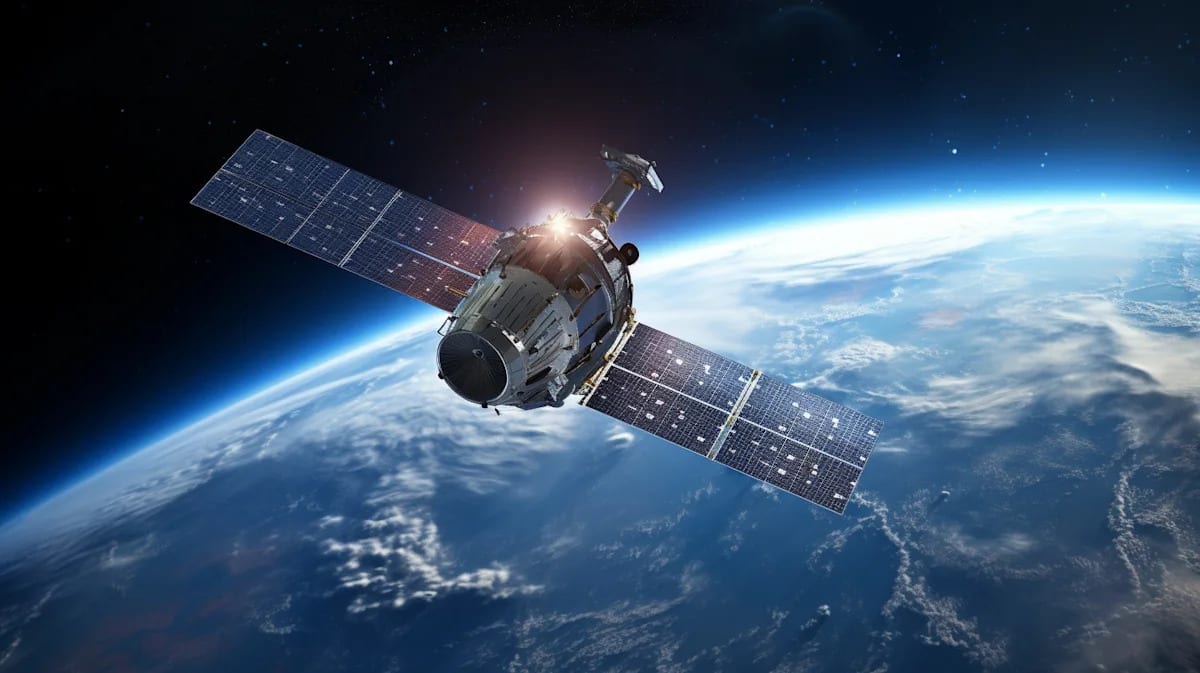
SpaceX is pushing for aggressive orbital AI data center expansion despite significant technical hurdles and financial volatility. While the company pursues a $100 billion revenue goal, it faces substantial cash flow losses and development delays.
The Ambitions and Realities of SpaceX's Orbital Infrastructure
Space Exploration Technologies Corp. (SPCX) is currently navigating a pivotal transition following its June 2026 merger with xAI and subsequent public listing. As the company eyes a late-2027 timeline for launching orbital AI data centers, it faces a complex landscape where technological aspirations clash with harsh physical and financial realities. While the ambition to host hyperscale computing in space is unprecedented, industry analysts suggest that achieving the necessary scale will likely remain a challenge until the 2030s.
The Four Pillars of Technical Resistance
Expert consensus identifies four primary obstacles preventing the immediate realization of orbital data centers. First, the physics of a vacuum environment makes heat dissipation notoriously difficult, as there is no air to facilitate convection cooling for high-performance GPUs. Second, the constant threat of ionizing radiation poses a risk to sensitive hardware longevity. Third, the rapid pace of AI innovation creates a 'hardware obsolescence' trap, where the time required for an expensive satellite launch may result in outdated compute power upon arrival. Finally, the infrastructure required to maintain sufficient ground-to-space connectivity for high-speed data transmission remains a significant bottleneck.
Financial Volatility and the $100 Billion Goal
SpaceX’s financial narrative is currently a study in contrasts. Management has expressed strong conviction in achieving a $100 billion annual revenue run rate by the end of 2026, bolstered by a $13 billion annualized AI hosting agreement. However, the underlying cash flow data paints a more precarious picture. The AI division incurred a $1.3 billion quarterly loss, and the company reported negative $25 billion in free cash flow during the first half of 2026. These figures suggest that the aggressive growth strategy is burning capital at a rate that has begun to test investor confidence, reflected in the stock’s decline from its post-IPO high of $225 to approximately $148.
Operational Delays and Market Sentiment
Investor sentiment remains highly sensitive to the operational cadence of the Starship program. The recent postponement of the 14th test flight—a mission critical for both orbital capability and the deployment of Starlink V3 satellites—to September 28 has contributed to downward pressure on the stock. This specific mission is designed to test the upper stage's ability to remain in orbit for 10 hours at 275 kilometers, a prerequisite for the kind of consistent satellite-based services SpaceX envisions.
Strategic Implications and Future Outlook
Looking ahead, the success of SpaceX's pivot to data hosting depends on its ability to reconcile the massive capital expenditure required for orbital infrastructure with the volatile nature of the AI market. The company is effectively betting its future on the success of the Starship vehicle as a delivery mechanism for next-generation hardware. If SpaceX can stabilize its cash flow and overcome the mechanical engineering challenges of space-based cooling and data throughput, it could redefine the global cloud computing paradigm. However, until these hurdles are addressed, the company will likely continue to experience significant market volatility as retail and institutional investors weigh the long-term vision against the immediate fiscal drain.