EIL in talks with Saudi Arabia, UAE for oil infra projects to bypass Strait of Hormuz
Source Entity
India Latest News: Top National Headlines Today & Breaking News | The Hindu
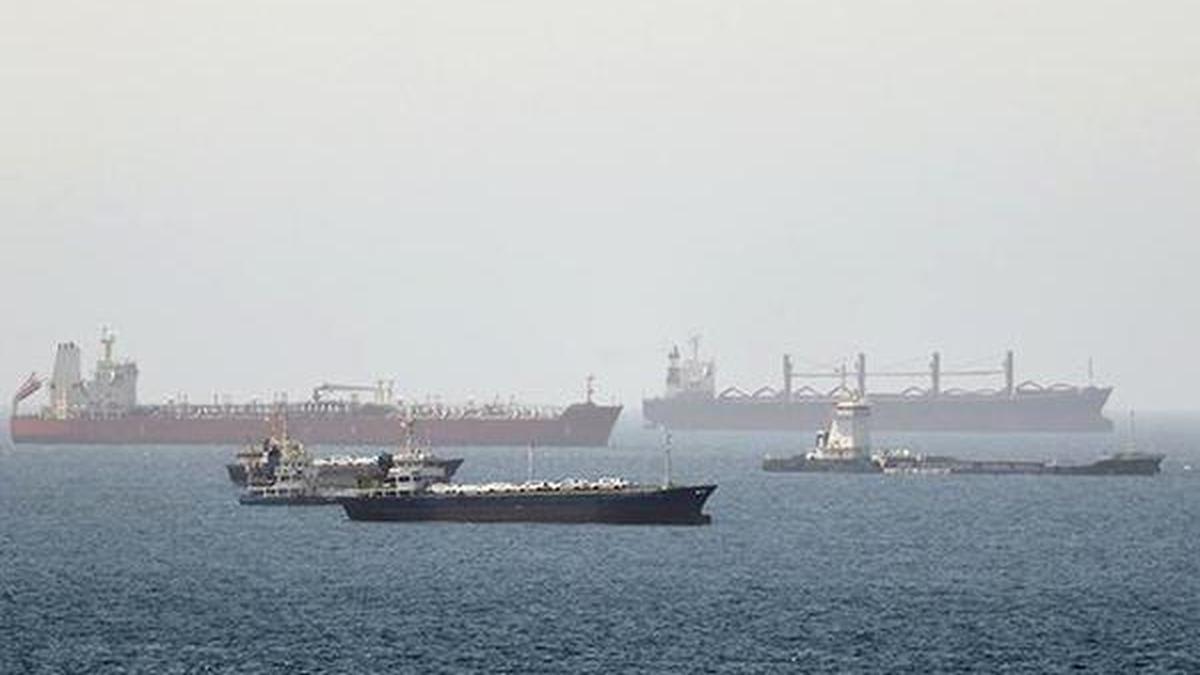
Engineers India Ltd (EIL) is in early talks with Saudi Arabia and the UAE to provide consultancy for new oil infrastructure. This initiative aims to create alternative export routes that bypass the volatile Strait of Hormuz.
Strategic Infrastructure Shifts in the Middle East
Engineers India Ltd (EIL), the state-run consultancy giant, has officially entered early-stage discussions with Saudi Arabia and the United Arab Emirates to provide engineering and consultancy services for critical oil infrastructure. According to EIL Chairman and Managing Director Atul Gupta, the primary objective of these proposed projects is to establish alternative export routes for crude oil and petroleum products, effectively bypassing the Strait of Hormuz.
The Geopolitical Necessity of Bypassing Hormuz
The Strait of Hormuz has long been a critical chokepoint for global energy supplies, but recent escalations in the Iran conflict have rendered it a significant liability for Gulf producers. By investing in new pipelines, oil terminals, and storage facilities, Saudi Arabia and the UAE are seeking to insulate their export capabilities from regional maritime disruptions. This shift represents a broader trend of Middle Eastern energy giants prioritizing supply chain resilience over traditional reliance on singular maritime corridors.
EIL’s Role in Regional Energy Expansion
The involvement of EIL in these discussions highlights the company’s growing footprint in the international energy consulting sector. With a $1 billion investment target identified for these infrastructure projects, the scope of work for EIL includes feasibility studies and technical design. This partnership underscores the technical confidence Gulf nations place in Indian engineering firms to execute large-scale, mission-critical energy projects.
Technical and Economic Implications
The infrastructure under consideration is designed to provide greater flexibility in how crude reaches international markets. By developing inland pipelines that connect oil fields directly to terminals outside the immediate threat zone of the Strait, these nations are essentially re-engineering their export logistics. The capital expenditure of $1 billion, while substantial, is viewed as a strategic hedge against the potential economic fallout of a total blockage or restricted access to the Strait.
Future Trends in Energy Security
As EIL continues its engagement at the planning stage, the project serves as a bellwether for future infrastructure trends in the Gulf. We are likely to see an increase in 'redundancy-focused' engineering projects across the region. If these projects move to the execution phase, they will not only solidify EIL’s reputation as a global engineering leader but also reshape the energy security landscape by diversifying the transit points for the world’s most vital oil supplies.
Verification Required?