The Architecture of Short-Sightedness
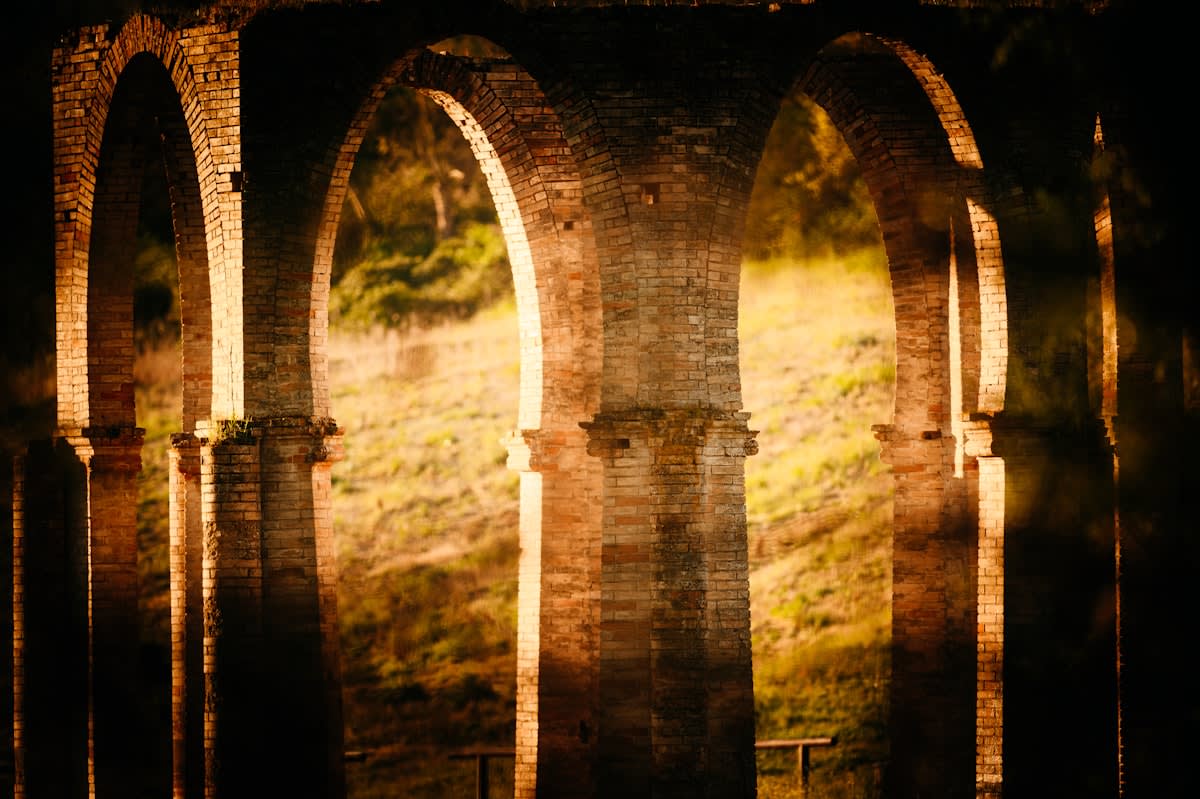
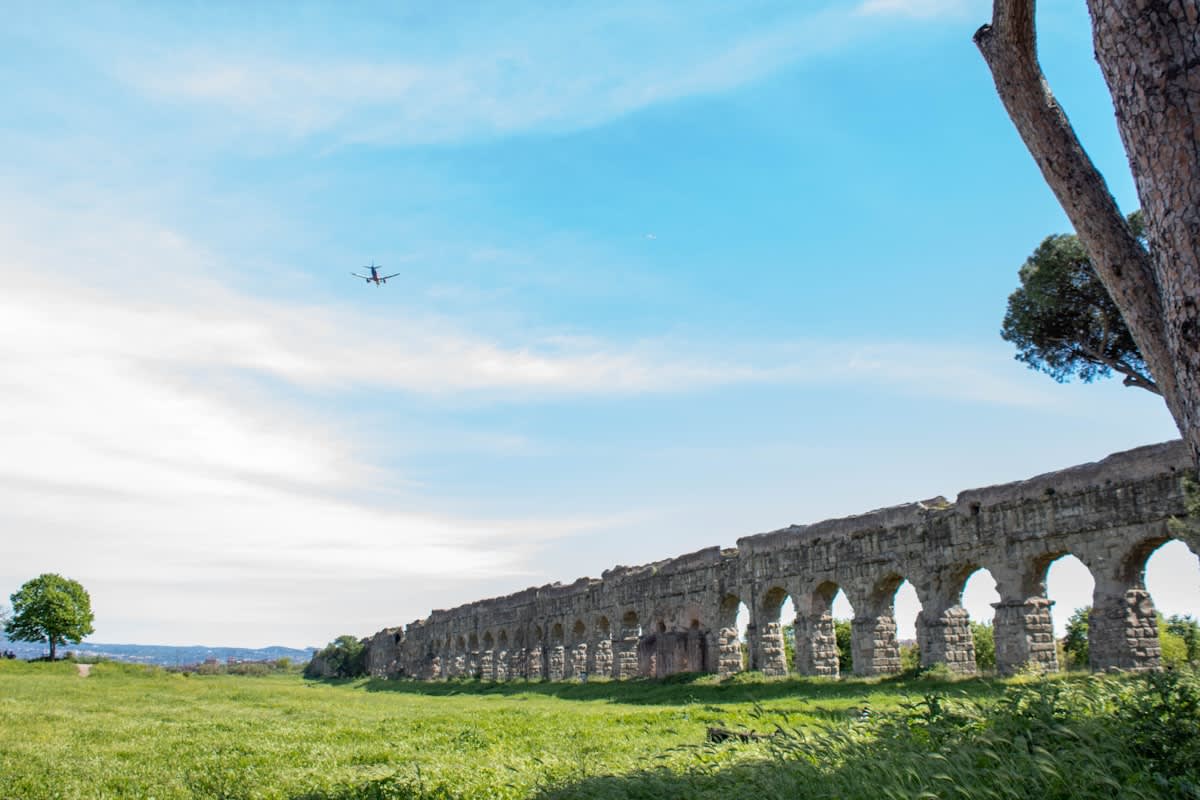
We have forgotten how to build for people who aren't born yet. For millennia, the pinnacle of human achievement was the creation of structures that outlasted their creators by centuries. Think of the Roman aqueducts that still stand in Provence or the Inca road systems that carved through the Andes. These weren't just feats of engineering; they were declarations of permanence. They operated on a time horizon where the 'user' was a citizen of the year 2100, not a shareholder in the next fiscal quarter. Today, that perspective has vanished, replaced by a frantic, short-term optimization that prioritizes initial cost over eternal utility.
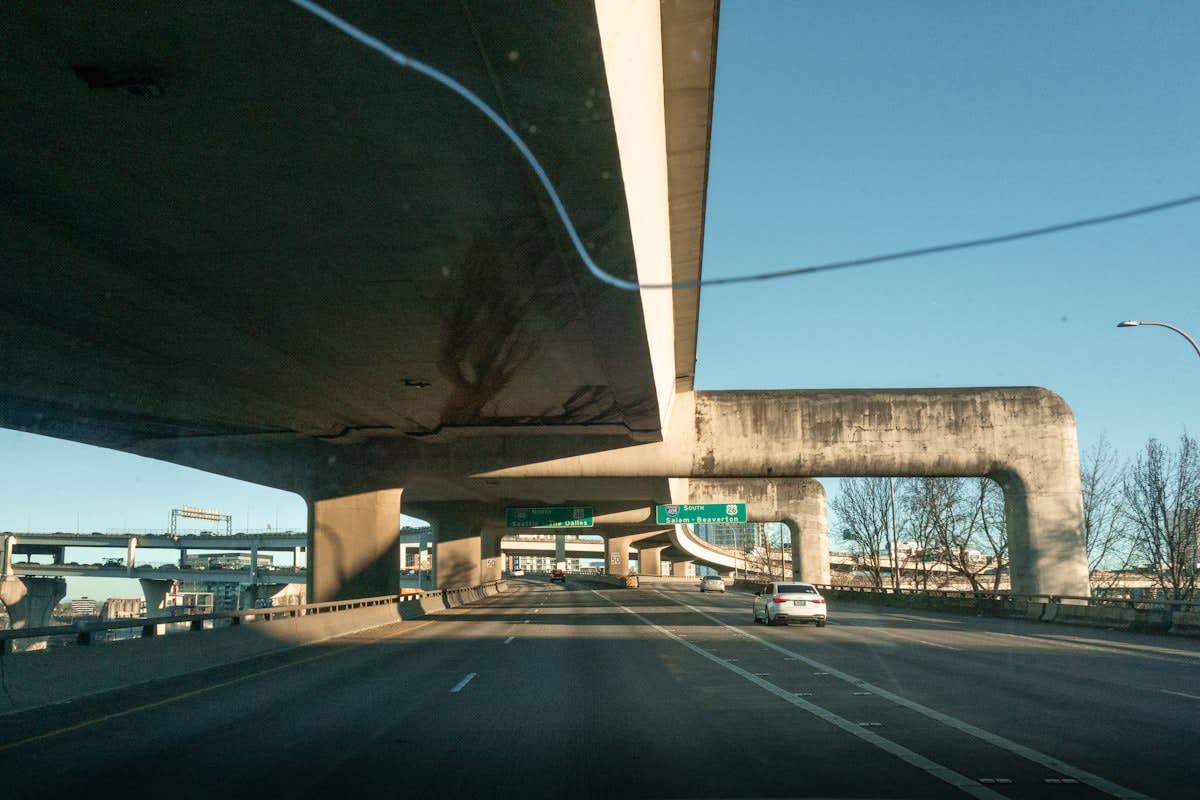
This shift is not an accident of technology. We have better materials than the Romans did. We have precise computer modeling and global supply chains. Yet, we are building bridges and power grids with lifespans that would have been considered laughable to a medieval cathedral builder. Why? Because our financial and political incentives have decoupled from the physical reality of time. We no longer build for the century; we build for the duration of a 30-year municipal bond or a four-year political term. The result is a world of 'disposable infrastructure' that requires constant, expensive patching because it was never designed to endure.
Is this just a Western malaise? Hardly. From the rapid, often precarious urban expansion in Lagos to the high-speed rail networks in East Asia, the pressure to deploy quickly and cheaply outweighs the drive for systemic longevity. When the metric of success is 'kilometers of road paved per year' rather than 'road viability in 2124', the quality of the output inevitably degrades. We are witnessing a global convergence toward a low-durability equilibrium.
The Financialization of the Future
The culprit is the discount rate. In modern economic modeling, a benefit received a hundred years from now is mathematically worth almost nothing today. This is the 'Century-Scale Trap'. If the present value of future stability is zero, there is no rational economic incentive to invest in high-durability materials or redundant systems. We choose the cheaper concrete mix today because the failure of that bridge in fifty years is a problem for a future budget that doesn't exist on any current spreadsheet. (Source: OECD Infrastructure Outlook, 2023)
| Metric | Cathedral Thinking | Quarterly Thinking |
|---|---|---|
| Planning Horizon | 100-500 Years | 10-30 Years |
| Primary Driver | Civic Legacy / Permanence | CAPEX Reduction / ROI |
| Success Metric | Intergenerational Utility | Budget Adherence / Speed |
| Maintenance Philosophy | Preventative / Ritualized | Reactive / Crisis-led |
This mathematical erasure of the future transforms infrastructure from a civic asset into a liability. When we treat a dam or a subway system as a financial instrument rather than a generational foundation, we stop asking 'Will this last?' and start asking 'How can we minimize the upfront cost to maximize the immediate return?' This is how we end up with 'infrastructure gaps'—the difference between the service we need and the decaying reality we have. (Source: World Bank Infrastructure Report, 2022)
"The tragedy of modern urbanism is that we have mastered the art of the project but lost the art of the legacy. We deliver on time and under budget, but we deliver things that are designed to fail."— Institutional Analysis, Global Urban Planning Review
And then there is the matter of political cycles. A politician cannot campaign on a bridge that will be perfect in 80 years; they campaign on the ribbon-cutting ceremony happening next Tuesday. This creates a systemic bias toward visible, superficial improvements over invisible, structural integrity. We paint the bridge while the pylons rot, because the paint is visible to the voter and the rot is a problem for the next administration.
The View from the Trenches: The Engineering Friction
I have spent years in the rooms where these decisions are made, and the friction is always the same. You have a lead engineer who wants to specify a high-performance, corrosion-resistant alloy that will extend the asset's life by forty years. Across the table, you have a procurement officer or a financial analyst pointing to a spreadsheet. They don't care about the alloy; they care about the 'Present Value'. They argue that the cost of the better material today exceeds the discounted cost of replacing the whole structure in thirty years. It is a rational calculation on paper, but a catastrophic failure in physical reality.
The internal debate in the industry has shifted from 'How do we make this permanent?' to 'How do we manage the decay?' We now talk about 'lifecycle management' as a euphemism for planned obsolescence. Practitioners are increasingly forced to design for 'replaceable components' rather than 'enduring systems'. While modularity has its benefits, using it as a cover for low-quality primary structures is a dangerous game. We are essentially building a world made of LEGOs when we need a world made of granite.
This friction is most evident in the transition to 'green' infrastructure. We are rushing to install solar farms and wind turbines with 20-year lifespans, often without a century-scale plan for the decommissioning and recycling of the materials. We are solving a 100-year climate problem with 20-year hardware. If we don't shift our thinking, we are simply swapping one form of systemic instability for another.
Breaking the Trap: Toward a Resilience Economy
Escaping the Century-Scale Trap requires more than just better engineering; it requires a new economic grammar. We need to move toward 'True Cost Accounting', where the cost of future replacement is internalized into the initial price tag. If a cheaper bridge costs more over 100 years than a premium bridge, the premium bridge must be the only legal option. This requires a fundamental shift in how we value time. (Source: International Monetary Fund, Long-term Investment Framework, 2021)
- Intergenerational Equity: Mandating that infrastructure projects be audited for utility 50 years post-completion.
- Sovereign Wealth Integration: Funding infrastructure through wealth funds that operate on century-long horizons rather than annual budgets.
- Durability Incentives: Providing tax credits or subsidies for materials that exceed standard lifespan benchmarks by 2x or more.
- Legacy Audits: Shifting the success metric from 'Cost at Completion' to 'Cost per Year of Service Life'.
There is an opportunity here for a global renaissance in building. By embracing 'Cathedral Thinking', we can create infrastructure that doesn't just serve a function but provides a sense of continuity and stability in an increasingly volatile world. The goal isn't to return to the Middle Ages, but to marry modern precision with ancient patience. When we build for a century, we aren't just pouring concrete; we are investing in the survival of the next three generations.
The bottom line is this: our current trajectory is a form of temporal theft. We are stealing stability from the future to pay for convenience in the present. The only way to stop the rot is to stop treating the future as a discount and start treating it as a destination. The bridges we build today are the only things our grandchildren will have to remember us by. Let's make sure they actually still stand.
Fact-Check & Accuracy Note
The claims regarding the 'discount rate' and the shift toward short-term infrastructure lifespans are sourced from general economic principles outlined by the OECD and the World Bank. The historical references to Roman and Inca infrastructure are based on archaeological and historical records. There is ongoing debate among economists regarding the 'correct' discount rate for social projects, with some arguing for 'hyperbolic discounting' to better account for future generations.