Trump Denies Offering To Sell Arms To Xi Jinping
Source Entity
NDTV News Search Records Found 1000
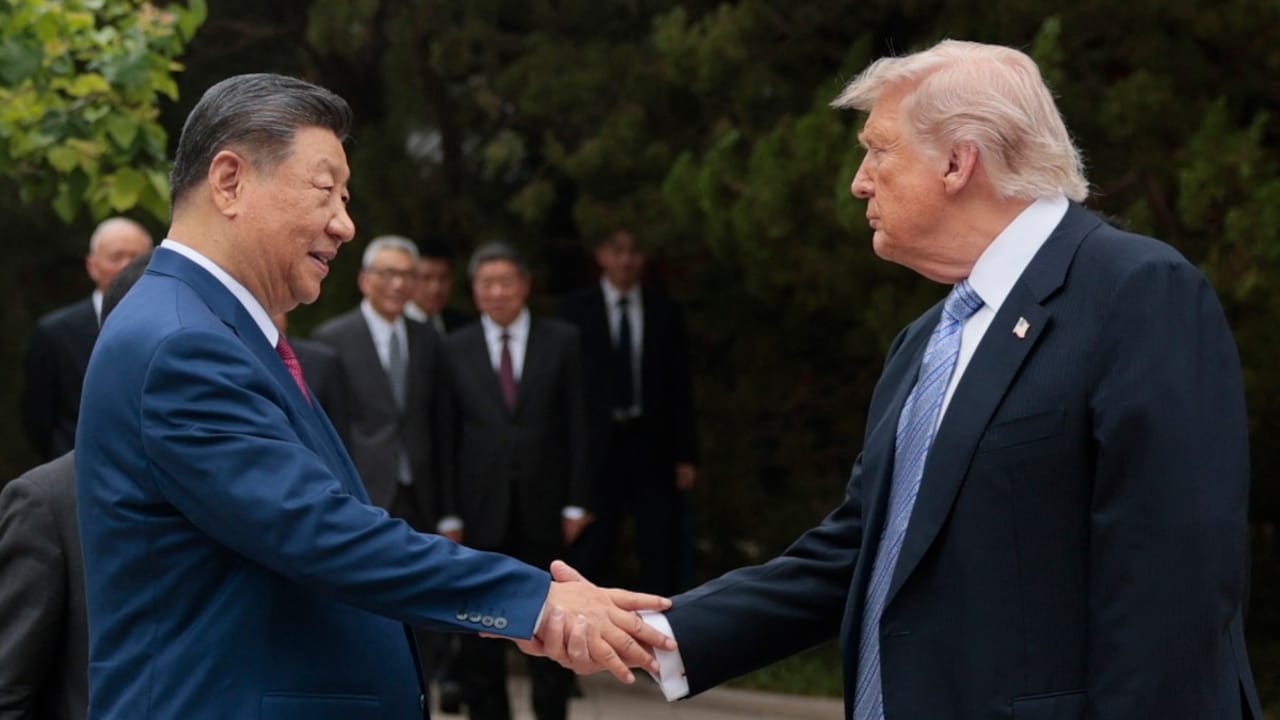
President Donald Trump has denied reports from US Ambassador David Perdue that he offered to sell American weapons to Chinese President Xi Jinping. Trump suggested the ambassador may have confused China with Taiwan, highlighting the delicate balance of US arms policy in the region.
The Diplomatic Clarification: Trump and the China Arms Offer
Recent reports have surfaced detailing a potential diplomatic misunderstanding between the United States and China. US Ambassador to China, David Perdue, claimed that during a state visit, President Donald Trump asked Chinese President Xi Jinping if he would be interested in purchasing American weapons. This statement quickly became a point of significant scrutiny, as it appeared to contradict long-standing US foreign policy and the complex geopolitical dynamics governing the Indo-Pacific region.
The Presidential Denial and Potential Confusion
President Trump has formally denied making such an offer to the Chinese leadership. When pressed by reporters, Trump expressed confusion regarding the ambassador's account, specifically questioning whether Perdue had conflated China with Taiwan. This distinction is critical; while the US maintains a robust arms supply relationship with Taiwan under the Taiwan Relations Act, selling offensive weapons to the People's Republic of China would represent a radical departure from existing federal policy and international norms.
Geopolitical Implications of Arms Diplomacy
The prospect of US arms sales to China carries immense weight. For decades, the US has maintained a delicate balancing act, providing defensive support to Taiwan while navigating a competitive, and often contentious, relationship with Beijing. Ambassador Perdue’s initial comments suggested an attempt by the administration to contextualize the pending Taiwan arms package by framing US military exports as a global commercial practice. However, the resulting confusion underscores the risks inherent in applying transactional rhetoric to highly sensitive security alliances.
The Role of Ambassadorial Communication
This incident highlights the importance of precise communication between the executive branch and its overseas representatives. Ambassador Perdue’s assertion, made during a television interview, created a narrative of a potential policy shift that the White House felt compelled to walk back immediately. The administration’s rapid pivot to clarify that no such offer was extended to China underscores the sensitivity of the US-China relationship and the desire to avoid signaling any deviation from established security protocols.
Historical Context and Regional Stability
Historically, the US has strictly limited military technology transfers to China, particularly following the 1989 arms embargo. Any suggestion, even one later refuted, that the US might be open to arming China creates friction with regional partners who rely on American security commitments. The focus remains on the pending Taiwan arms package, which continues to be a central pillar of US strategy in the region. By dismissing the report as a potential misunderstanding, the White House has signaled that it intends to maintain the status quo regarding military exports in East Asia.
Conclusion
In summary, the controversy appears to be a result of conflicting accounts regarding the nature of diplomatic discussions. While Ambassador Perdue suggested an open offer was made, President Trump’s clarification suggests that the conversation may have been misinterpreted or misattributed. As the administration continues to manage the pending Taiwan arms deal, this event serves as a reminder of how quickly diplomatic rhetoric can be misinterpreted in the high-stakes arena of international relations.
Verification Required?