BJP Tightens Organisational Focus, Asks State In-Charges To Cut Delhi Trips
Source Entity
NDTV News Search Records Found 1000
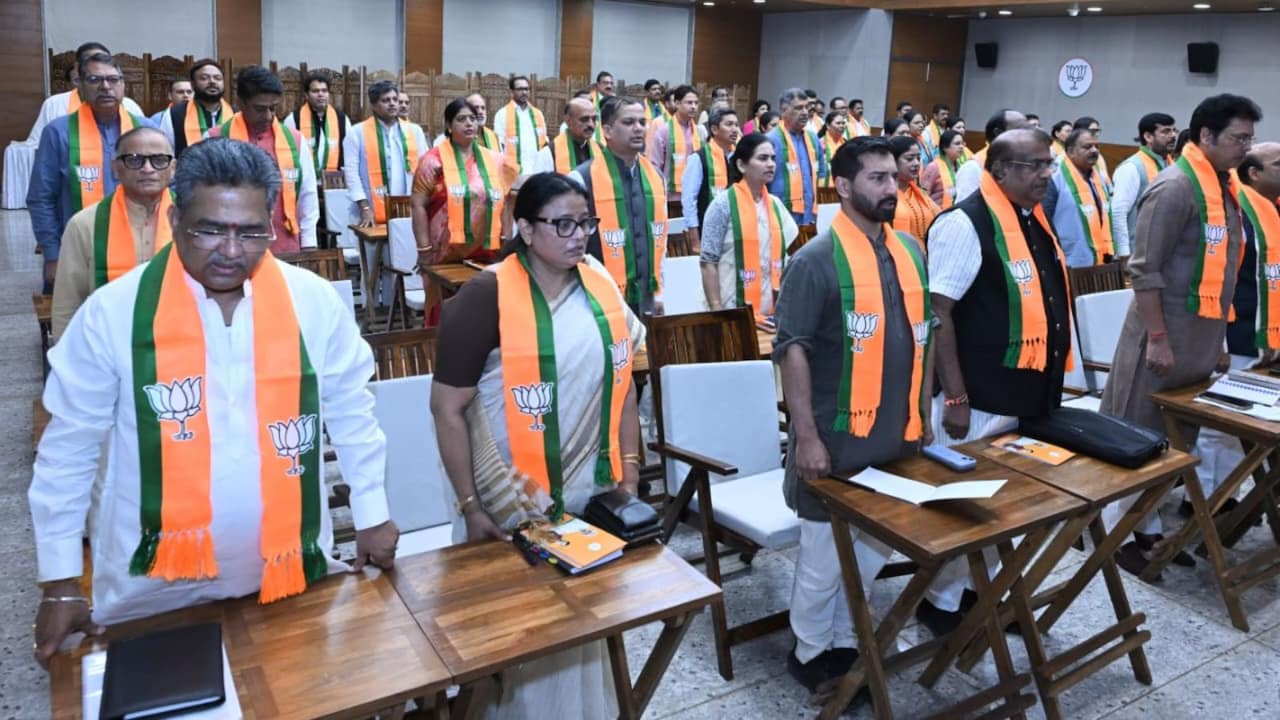
BJP President Nitin Nabin has directed state in-charges to minimize travel to New Delhi to prioritize grassroots-level organizational work. This move signals a strategic shift toward strengthening party infrastructure at the state and local levels.
Strategic Realignment Within the BJP
The Bharatiya Janata Party (BJP) has initiated a significant shift in its internal management structure, as evidenced by the recent directive issued by party president Nitin Nabin. During a high-level organizational meeting held in New Delhi, Nabin instructed state in-charges to significantly reduce their frequency of trips to the national capital. This directive marks a departure from traditional administrative workflows, prioritizing direct presence in the constituencies over central coordination.
The Shift Toward Grassroots Engagement
By mandating that state in-charges remain focused on their respective territories, the party leadership is signaling an intent to deepen its engagement with the local electorate. In the context of national political parties, the tendency for state leaders to spend excessive time in the capital often leads to a disconnect from ground-level realities. This policy change aims to rectify such gaps by ensuring that leadership remains physically and strategically present where party machinery is most needed.
Implications for Organizational Efficiency
This decision suggests that the BJP is undergoing an internal audit of its operational efficiency. By curbing travel, the party is likely attempting to optimize resources and redirect the time currently spent in bureaucratic meetings toward active campaigning, cadre management, and grievance redressal at the state level. This focus on decentralization reflects a broader trend within the party to empower state-level units to handle their own operational hurdles without constant oversight from central headquarters.
Historical Context of Party Management
Historically, the BJP has often relied on a top-down management style where central observers played a decisive role in state affairs. While this has been effective in maintaining ideological coherence, it has occasionally stifled the development of local leadership. Nabin’s directive serves as a corrective measure, potentially fostering a more autonomous and proactive state-level leadership culture that can respond rapidly to local political challenges.
Future Trends and Political Strategy
Looking ahead, this strategy could be a precursor to upcoming electoral cycles, where a well-oiled, autonomous state organization is critical for success. If state in-charges effectively utilize their time in their designated regions, the party could see a marked improvement in its ability to manage local coalitions and sustain voter mobilization. The success of this move will depend on whether the party can balance this newfound autonomy with the necessity of maintaining alignment with the national vision.
Conclusion
In summary, Nitin Nabin’s directive to limit Delhi trips represents a calculated move to reinforce the party's foundation. By prioritizing state-level presence, the BJP is positioning itself to be more responsive to the needs of the electorate. This shift underscores a commitment to strengthening organizational discipline and ensuring that the party's focus remains firmly rooted in the regions it seeks to govern.
Verification Required?