Supply glut, lab-grown alternatives: What's behind the fall of diamond prices to record lows
Source Entity
US Top News and Analysis
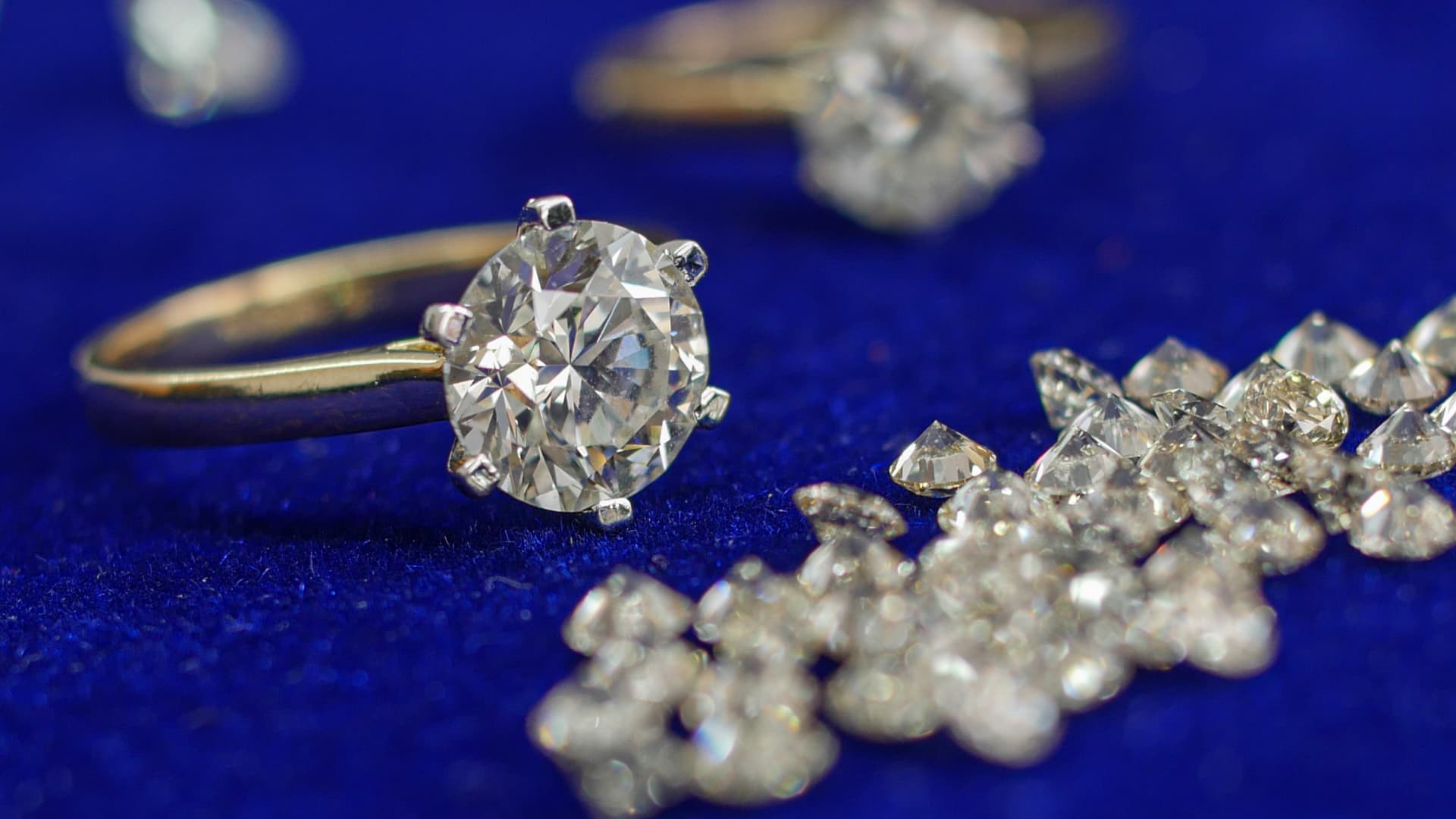
Natural diamond prices have plummeted by over 50% since 2021 due to a significant market oversupply and the rising popularity of lab-grown alternatives. This shift marks a historic low for investment-grade stones, signaling a fundamental change in the gemstone industry.
The Devaluation of the Diamond Market
The global diamond market is currently undergoing a period of unprecedented volatility, characterized by a sharp decline in the value of natural gemstones. Data from the Rapaport Group reveals a stark reality: the average price for a 1-carat diamond has collapsed to $3,898, a staggering 51% reduction from the $8,007 average recorded in 2021. This downward trajectory is further corroborated by the Diamond Standard Index, which recently hit an all-time low of 2,490 in August, reflecting the cooling sentiment toward diamonds as traditional stores of value.
The Impact of Market Oversupply
At the core of this price erosion is a significant supply glut of mined stones. Over the past several years, the market has been saturated with natural diamonds, creating an imbalance between supply and demand that has persisted despite industry efforts to mitigate the surplus. This oversupply has effectively undermined the scarcity model that traditionally sustained high diamond prices, leaving investors and consumers alike to question the long-term viability of diamonds as a stable asset class.
The Rise of Lab-Grown Alternatives
Compounding the crisis of oversupply is the rapid emergence and consumer adoption of lab-grown diamonds. These stones, which are chemically and physically identical to their mined counterparts, offer a more accessible price point, fundamentally altering the competitive landscape. As lab-grown diamonds gain market share, they place downward pressure on the entire category, forcing a re-evaluation of the premium previously associated with natural extraction.
Historical Context and Changing Consumer Sentiment
Historically, the diamond industry relied on the perception of rarity and the emotional weight of tradition to command high valuations. However, the current economic climate and evolving consumer preferences—particularly among younger demographics—suggest that the allure of natural diamonds is waning. The combination of economic pressures and the availability of affordable, synthetic alternatives has created a 'doom and gloom' narrative that is difficult for traditional miners to counter.
Future Trends and Market Outlook
Looking ahead, the diamond industry faces a difficult path to stabilization. While efforts to clear the current inventory glut are underway, the structural shift toward lab-grown diamonds appears to be a permanent transformation rather than a temporary trend. If the Diamond Standard Index continues to hover at these historic lows, the industry may need to undergo a fundamental restructuring to align supply with a new, more price-sensitive reality. Investors should remain cautious as the market searches for a new equilibrium in an era of abundant, man-made alternatives.