Boeing flags 737 Max software glitch affecting some automated approach functions
Source Entity
US Top News and Analysis
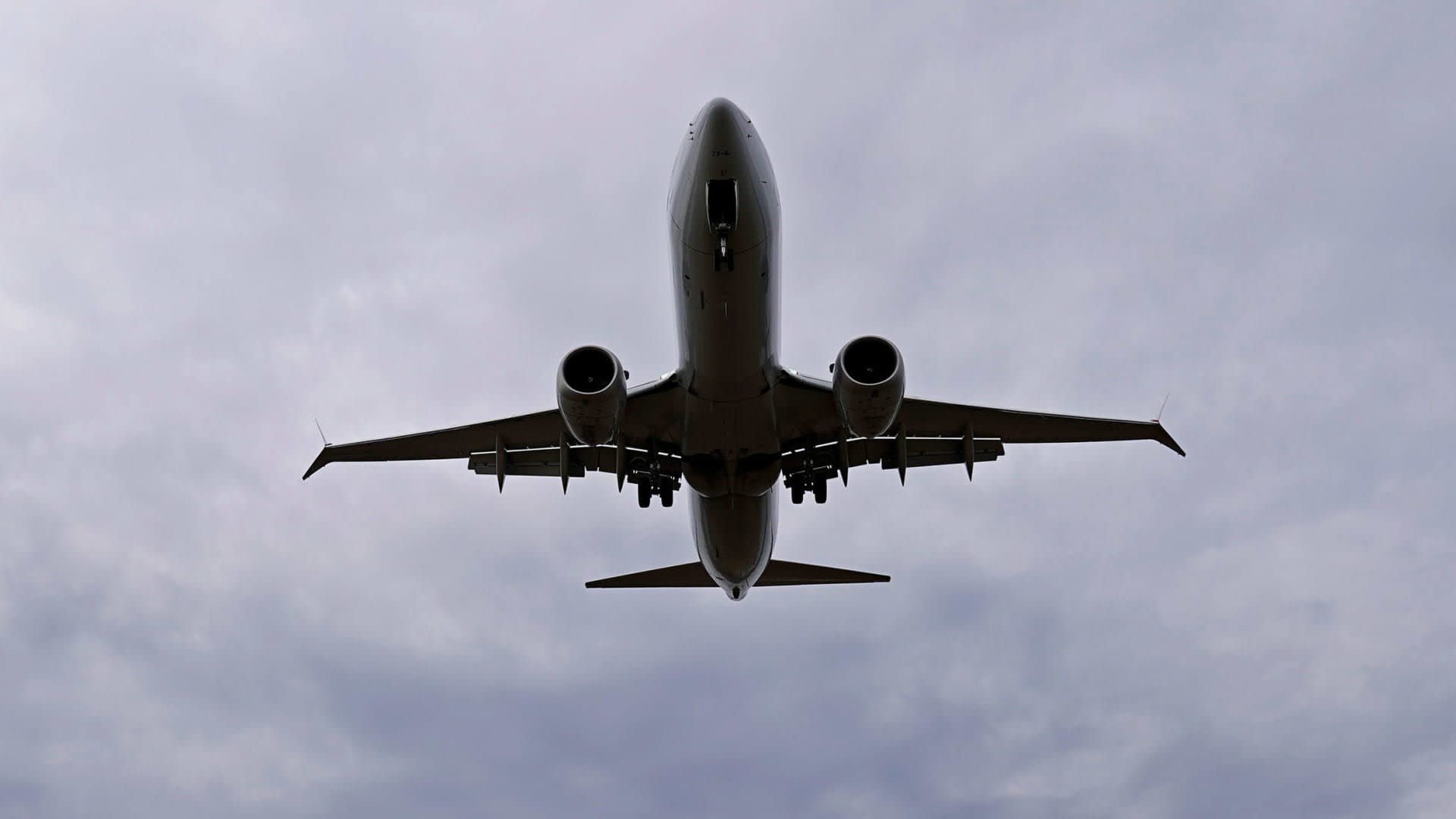
Boeing has identified a software glitch in some 737 MAX aircraft that may cause autopilot disengagement during specific go-around scenarios. The company is working on a software fix while currently advising pilots on existing procedures to maintain safety.
Boeing Addresses 737 MAX Software Discrepancy
Boeing has officially acknowledged a software anomaly affecting certain 737 MAX aircraft, specifically concerning the automated vertical navigation functions during missed approach procedures. The glitch, which triggers potential autopilot disengagement when pilots modify preprogrammed flight paths or altitude during a go-around, has prompted the manufacturer to issue an advisory to operators. While Boeing maintains that the issue does not pose an immediate safety risk, the situation remains under close scrutiny by aviation authorities.
The Mechanics of the Glitch
The identified issue occurs during the critical phase of a 'go-around'—a maneuver where pilots abort a landing attempt to climb and reposition for a subsequent approach. According to Boeing, the software may fail to maintain the desired automated vertical navigation if the crew alters the preprogrammed flight path. This necessitates that pilots perform additional manual inputs to utilize automated tools for subsequent landing attempts. By reinforcing these existing pilot procedures, Boeing aims to bridge the gap until a permanent software patch is developed and implemented.
Regulatory Oversight and FAA Involvement
The Federal Aviation Administration (FAA) has confirmed it is actively assessing the software issue. As part of its oversight responsibilities, the FAA is reviewing Boeing's proposed technical solution and has stated it will take immediate action if any safety concerns are identified. This rigorous review process is emblematic of the heightened regulatory environment surrounding the 737 MAX program, which has been under intense focus since previous global grounding events.
Global Impact and Fleet Operations
The reach of this technical advisory is significant, given the global proliferation of the 737 MAX family. In markets like India, where carriers such as Air India Express and Akasa operate a substantial fleet—numbering approximately 100 aircraft—the advisory serves as a necessary operational update. Aviation insiders emphasize that this is a procedural notification rather than a grounding event, highlighting the importance of pilot training in managing automated systems during complex maneuvers.
Path Toward Final Certification
This software challenge emerges at a delicate time as Boeing seeks federal approval for the fourth and final model in its best-selling 737 MAX family. The company’s ability to resolve this glitch efficiently is vital for maintaining momentum in its certification efforts. By proactively sharing information with operators and prioritizing a software update, Boeing is attempting to demonstrate a commitment to transparency and technical excellence in the face of ongoing scrutiny.
Future Trends in Avionics Safety
Looking forward, this event underscores the increasing complexity of flight deck automation and the necessity for robust software validation. As aircraft become more reliant on integrated navigation systems, the industry is likely to see even more stringent requirements for software reliability. The resolution of this specific 737 MAX issue will likely serve as a case study for how manufacturers manage, report, and rectify software anomalies without disrupting global air travel operations.
Multiple Citing Sources