Boeing 737 Max 10 certification delayed by software issue, FAA says
Source Entity
US Top News and Analysis
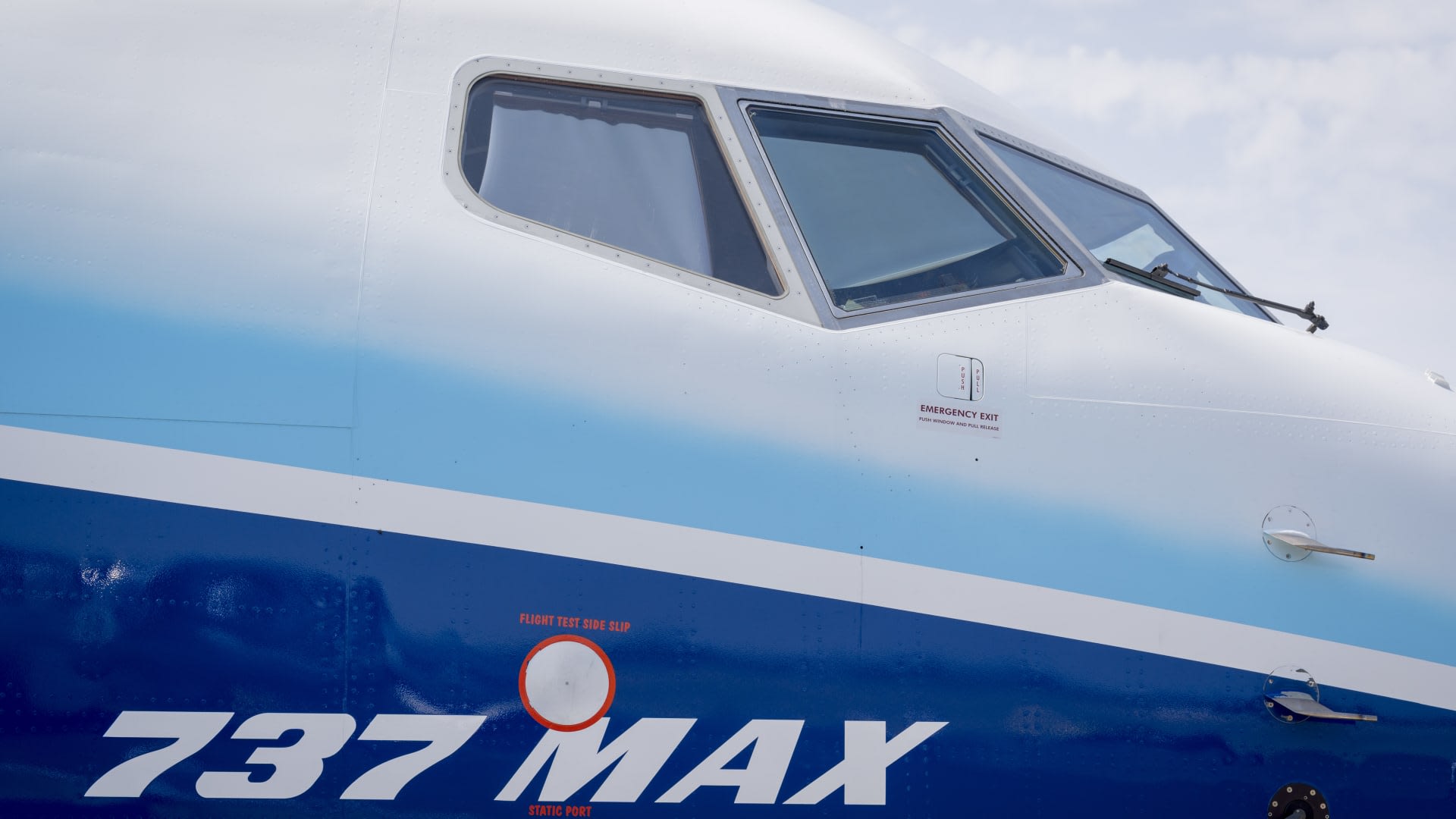
The FAA has delayed the certification of the Boeing 737 Max 10 due to a newly discovered software glitch affecting landing procedures. This setback forces further scrutiny into the aircraft's safety systems, postponing Boeing's goal of securing regulatory approval for its flagship model.
FAA Delays Boeing 737 Max 10 Certification Over Software Glitch
The Current Regulatory Landscape
The aerospace industry is currently grappling with a significant hurdle as the Federal Aviation Administration (FAA) has officially delayed the certification of the Boeing 737 Max 10. FAA Administrator Bryan Bedford announced that the agency is prioritizing a thorough assessment of a software issue recently identified by the manufacturer. This development represents a critical juncture for Boeing, which had been pushing toward final government approval for its largest 737 Max variant.
Technical Implications of the Software Glitch
Boeing disclosed that the software glitch in question pertains specifically to landing procedures on certain 737 Max aircraft. While the manufacturer and the FAA are currently in the evaluation phase, the uncertainty regarding whether this constitutes a "safety-of-flight" issue has necessitated a pause in the certification timeline. This technical challenge underscores the complexity of modern flight control software, where even minor anomalies can trigger comprehensive regulatory reviews to ensure passenger safety.
Impact on Boeing’s Strategic Timeline
CEO Kelly Ortberg had recently signaled to investors that the company expected to receive regulatory approval for the long-delayed Max 10 "very soon." The sudden emergence of this software issue effectively dismantles that immediate timeline. For a company that has faced intense scrutiny regarding its aircraft programs over the past several years, this delay is a notable setback in its efforts to stabilize production and restore confidence in its best-selling family of narrow-body jets.
The FAA’s Safety-First Approach
The FAA’s decision to delay certification until they are "satisfied that we don't have an issue" highlights the agency's current posture of extreme caution. Following historical challenges with the 737 Max line, the FAA has adopted a more rigorous oversight model, ensuring that every software update and technical component undergoes exhaustive verification. This administrative stance is intended to mitigate risks, though it inevitably slows the pace of aircraft market entry.
Future Outlook and Industry Consequences
The road ahead for the Boeing 737 Max 10 is now contingent upon the FAA’s final determination regarding the software glitch. If the agency deems the issue a safety risk, Boeing will face a mandatory redesign and testing cycle, further extending the wait time for this specific model. Conversely, a swift resolution could allow for a rapid resumption of certification activities, but the manufacturer must navigate this period of heightened scrutiny with total transparency to satisfy both regulators and the flying public.