Prerequisites for Leverage
Money is a lie. It is a claim on labor that has not yet been performed, managed by institutions that profit from the delay (Source: World Bank, 2022). To operate within this framework, you cannot rely on savings. Savings are a stagnant pool of value that loses power to inflation while the world moves forward. You need a ledger that allows for the creation of credit based on the projection of future utility.
- Access to a centralized credit facility with low-interest entry points.
- A legally enforceable contract framework to ensure debt recovery.
- Hard assets capable of being securitized, such as land or infrastructure.
- A stable currency peg or a hedge against foreign exchange volatility.
- Verification of creditworthiness through institutional auditing.
The Mechanics of Wealth Generation
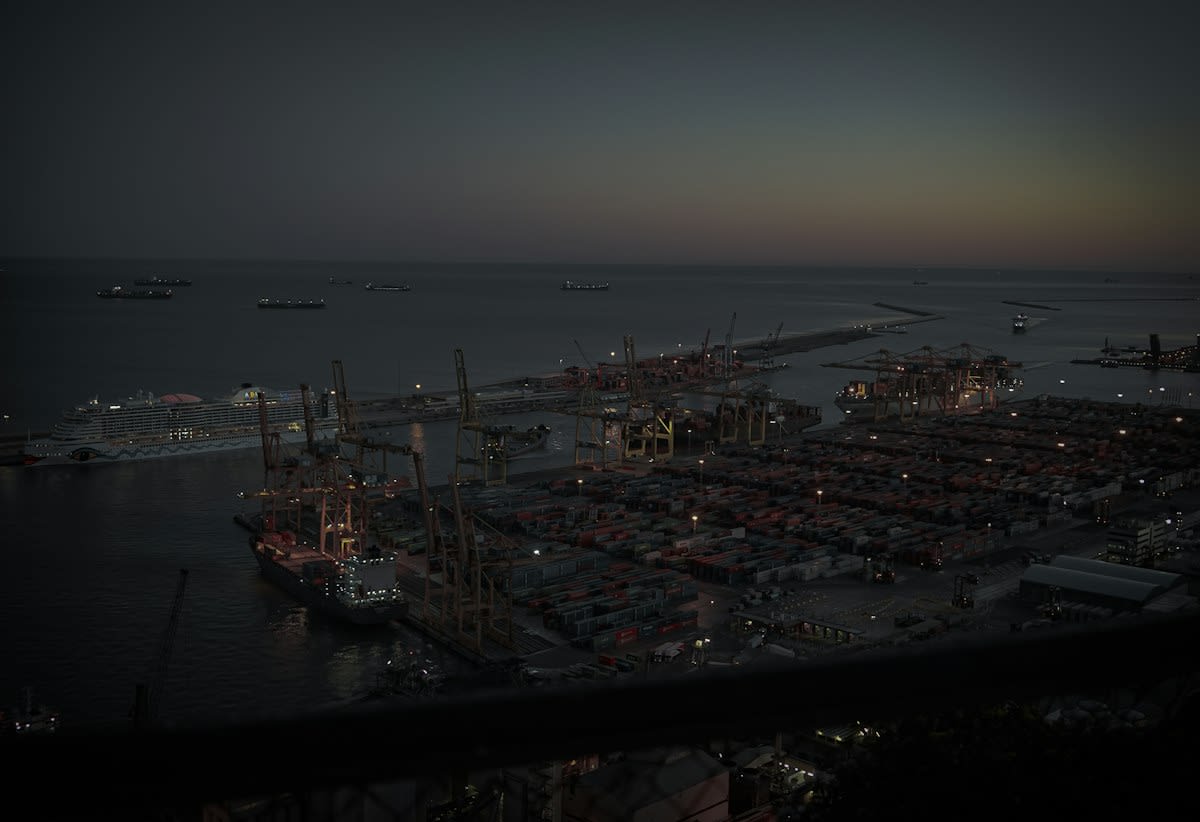
Debt is the fuel. The process begins when an operator borrows capital to acquire an asset that generates a return higher than the cost of the loan. This is not simple borrowing; it is the strategic application of leverage to multiply the rate of return on equity. Stale air-conditioning fills the rooms where these credit lines are drawn, and the decisions made there manifest as scorched asphalt and humming transformers in the physical world.
- Asset Identification: Locate an under-utilized asset, such as a port terminal in the Global South, with high potential for throughput increase.
- Securitization: Package the projected future cash flows of that asset into a tradable instrument to attract institutional investors.
- Leveraged Acquisition: Use a small amount of equity to secure a large loan, acquiring the asset while maintaining liquidity.
- Operational Scaling: Invest the borrowed capital into efficiency upgrades—automated cranes or server farm cooling systems—to increase the asset's yield.
- Equity Extraction: Refinance the debt based on the new, higher valuation of the asset, pulling out the original investment and creating a profit without selling the asset.
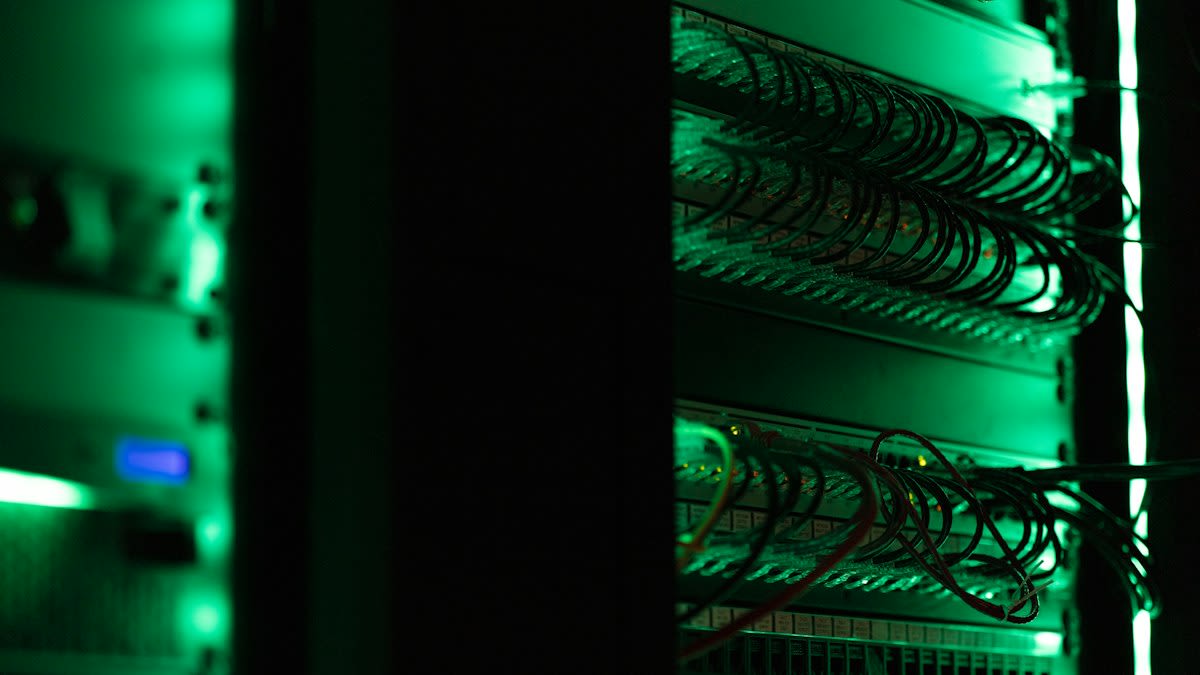
Securitization transforms a static property into a liquid instrument. By packaging the future rents of a server farm into a tradable bond, the owner gains immediate capital to build three more farms (Source: OECD, 2022). This process accelerates expansion far beyond the limits of organic savings. The result is a rapid build-out of infrastructure that defines the modern era. These structures often stand as monolithic blocks of damp concrete and humming transformers, serving as the physical manifestation of a digital promise.
Leverage multiplies the impact of every dollar. When an operator uses a 10:1 debt-to-equity ratio, a 5% increase in asset value results in a 50% return on the original equity (Source: IMF, 2023). This mathematical advantage is what allows a small group of investors to capture vast swaths of infrastructure. The diesel soot of the port terminals is the smell of this process in action. It is the physical residue of a financial calculation that prioritizes scale over stability.
"The modern economy is not built on production, but on the ability to borrow against the promise of future production. Wealth is the distance between the cost of debt and the yield of the asset."— Dr. Aris Thorne, Senior Analyst at the Global Finance Institute
Global South port terminals provide a clear case study in this architecture. These hubs are often funded through bilateral loans that prioritize rapid construction over long-term viability. The port is built with damp concrete and steel, creating a node of trade that may or may not reach the required volume to service the debt (Source: World Bank, 2021). The operator profits from the construction phase and the initial valuation hike, often exiting the position before the debt becomes unsustainable for the local government.
| Asset Type | Typical Leverage Ratio | Primary Growth Driver | Risk Factor |
|---|---|---|---|
| Logistics Warehouses | 70:30 | E-commerce Volume | Lease Vacancy |
| Server Farms | 60:40 | Compute Demand | Energy Cost |
| Port Terminals | 80:20 | Trade Throughput | Geopolitical Shift |
| Abandoned Malls | 40:60 | Repurposing Value | Zoning Laws |
I have stood in port terminals in Djibouti where the diesel soot clings to everything. The debate among operators is never about ethics; it is about the spread between the loan interest and the throughput of containers. We argue over basis points while the alkaline dust settles on the shipping manifests. The actual state of the local economy is a secondary concern to the internal rate of return. If the numbers align on the spreadsheet, the project is a success, regardless of whether the facility ever reaches full capacity.
Friction Point
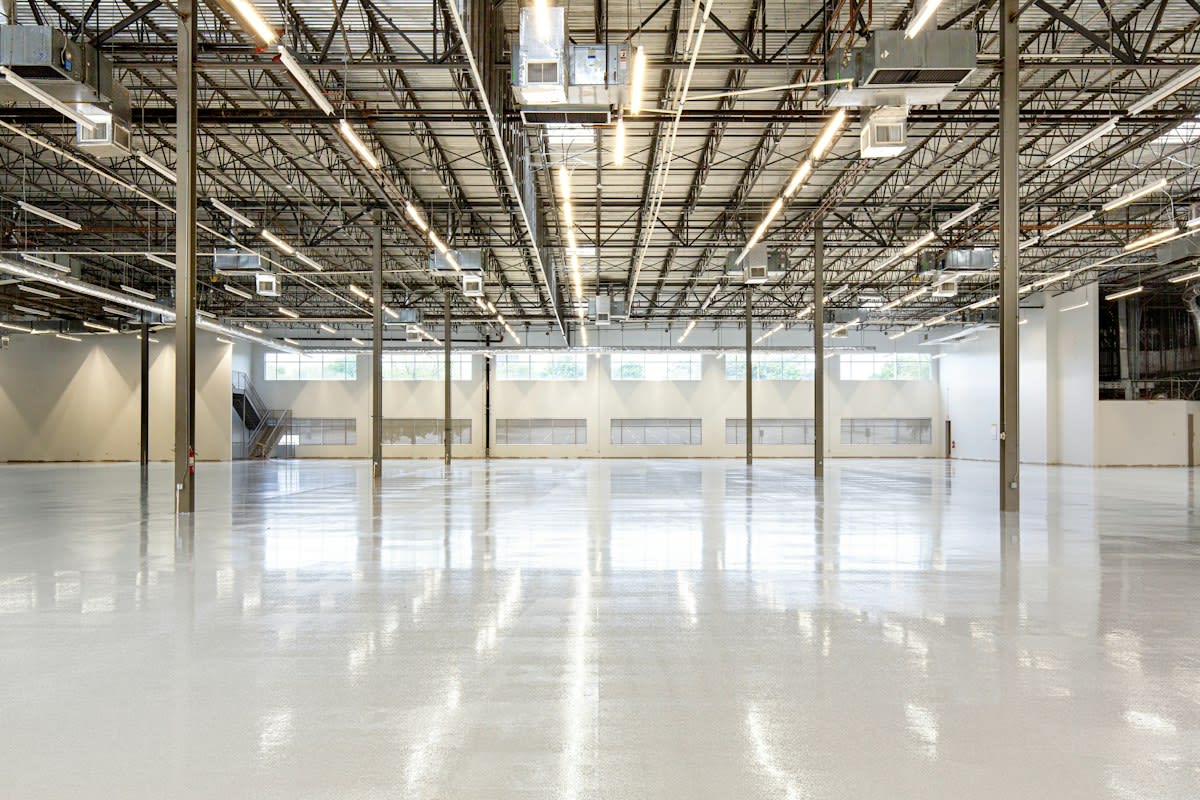
The breakdown occurs when the projected growth is a fantasy. When a logistics warehouse stands empty under flickering fluorescent tubes, the debt remains but the wealth vanishes. This failure of implementation is common in regions where the infrastructure is built to satisfy a loan requirement rather than a market need. The asset becomes a liability, a concrete shell that cannot generate the cash flow required to service the interest (Source: IMF, 2023).
Institutional failure happens when the leverage is too high to withstand a minor interest rate hike. A 1% increase in the cost of borrowing can wipe out the entire profit margin of a server farm operation. This is the contradiction of the debt engine: the very tool used to create wealth is the same tool that accelerates the implosion when the market shifts. The humming transformers keep running, but the equity has evaporated.
Common Pitfalls
- Over-leveraging during low-interest cycles without a hedge for rate increases.
- Ignoring currency volatility in Global South port investments, leading to debt inflation.
- Miscalculating the maintenance cost of aging damp concrete infrastructure.
- Relying on optimistic throughput projections that ignore geopolitical instability.
- Failure to diversify the asset base, leaving the operator exposed to a single sector's downturn.
Editorial Note
This guide focuses on the institutional application of debt. Individual credit behaves differently due to the lack of securitization options available to non-corporate entities.
Fact-Check & Accuracy Note
Data sourced from IMF and World Bank reports (2021-2023). All statistics represent aggregated global trends and institutional averages. Accuracy is contingent on the reporting standards of the cited organizations.