I wanted a minimalist wedding until I walked into Delhi’s Chandni Chowk
Source Entity
Shruti Kaushal
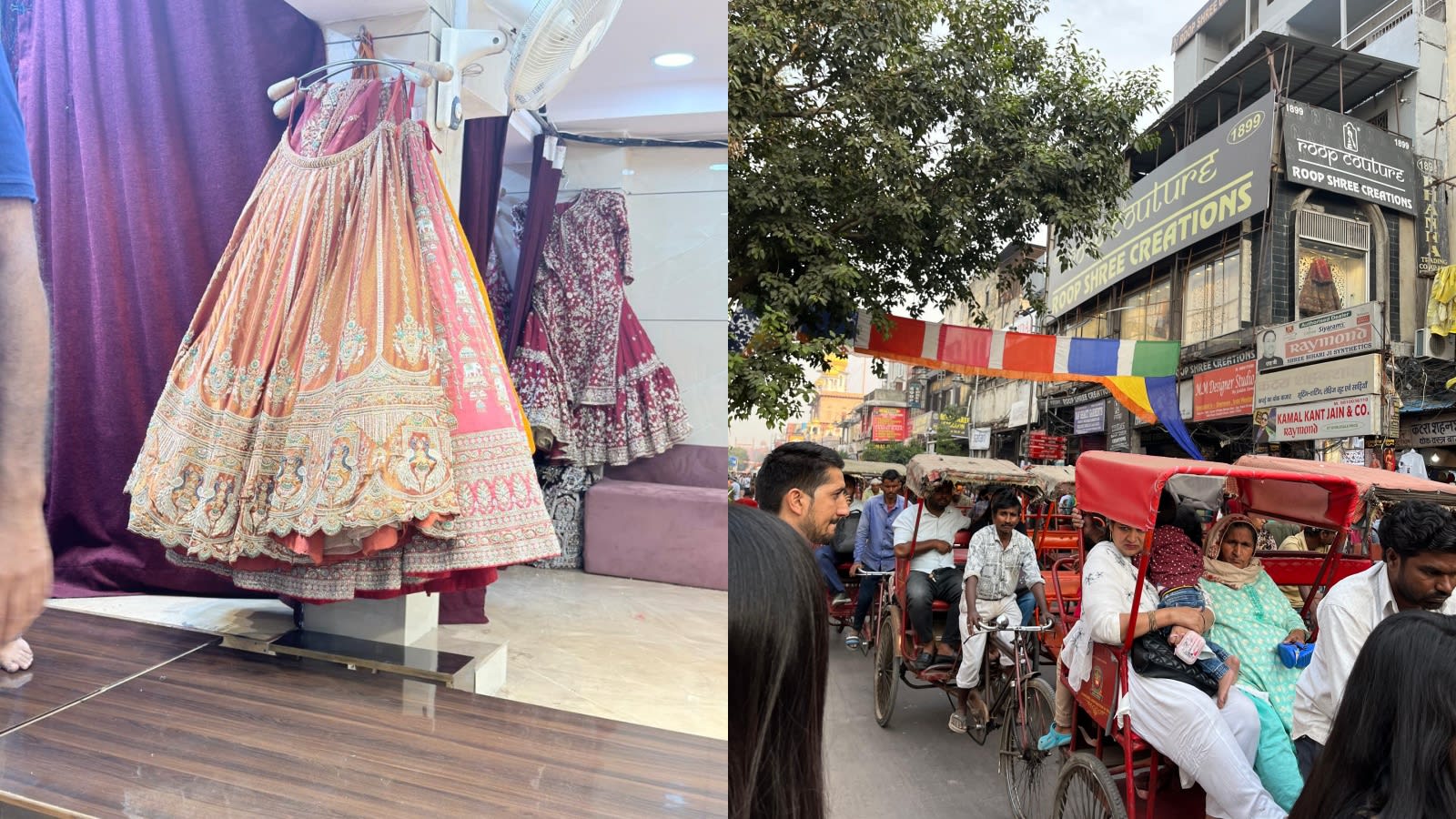
The influence of Bollywood cinema on Indian wedding culture often clashes with the practical shift toward minimalism in adulthood. A visit to Delhi's Chandni Chowk highlights the enduring tension between cinematic aspirations and the desire for budget-conscious celebrations.
The Cinematic Shadow Over Indian Nuptials
The cultural landscape of India is inextricably linked to its film industry, with Bollywood films often serving as a blueprint for life milestones. For many, the extravagant portrayal of weddings in films by directors like Karan Johar has established a standard of opulence that feels almost mandatory. The quote from Humpty Sharma Ki Dulhania, where the protagonist demands a designer lehenga similar to Kareena Kapoor’s, serves as a poignant reminder of how media shapes the aspirations of youth, turning personal milestones into public spectacles.
The Shift Toward Minimalism
As individuals transition into adulthood, the initial allure of cinematic grandeur often faces the harsh reality of financial planning and personal priorities. The COVID-19 pandemic acted as a global catalyst for this change, forcing a radical re-evaluation of social gatherings. During this period, the necessity of smaller, intimate ceremonies introduced many to the benefits of a 'minimalist' wedding, moving away from the societal pressure to host lavish, multi-day events that often drain significant savings.
The Chandni Chowk Encounter
Despite the newfound appreciation for mindful spending, the sensory overload of Delhi’s Chandni Chowk presents a significant challenge to the minimalist resolve. As one of India’s most iconic and chaotic wedding shopping hubs, it offers a tangible experience of the industry's scale. Stepping into this market often triggers a psychological tug-of-war between the logical desire for a modest budget and the visceral appeal of the traditional, ornate wedding aesthetic that has been ingrained in the cultural psyche.
Generational Expectations vs. Reality
The conflict described—being raised by cinematic ideals while attempting to navigate adult financial responsibilities—is a common narrative for millennials and Gen Z in India. While parents may have historically prioritized the 'big fat Indian wedding' as a display of social status, younger generations are increasingly seeking a middle ground. They are finding that the pressure to emulate the screen often clashes with the desire for a wedding that is both authentic and financially sustainable.
Future Trends in Wedding Culture
The evolution of the Indian wedding industry suggests a bifurcated future. While the 'destination wedding' and 'designer ensemble' markets continue to thrive, there is a growing segment of couples prioritizing experiential value over material excess. The tension between the allure of Chandni Chowk and the goal of a pared-down celebration is likely to result in more 'hybrid' weddings, where tradition is honored through smaller, more curated selections rather than the sheer volume of the past.
Conclusion
Ultimately, the journey from a 17-year-old cinephile to a 30-year-old planner is one of reconciliation. The influence of Bollywood remains a powerful cultural force, but it is being tempered by the practical realities of modern life. Whether one chooses the minimalist path or succumbs to the ornate traditions of the market, the decision is now more reflective of individual identity than ever before.