Why is oil price rising? Brent jumps 2.5% after Trump rejects Iran peace proposal
Source Entity
Latest News: Todays Latest News Headlines from India & World | Hindustan Times | Hindustan Times
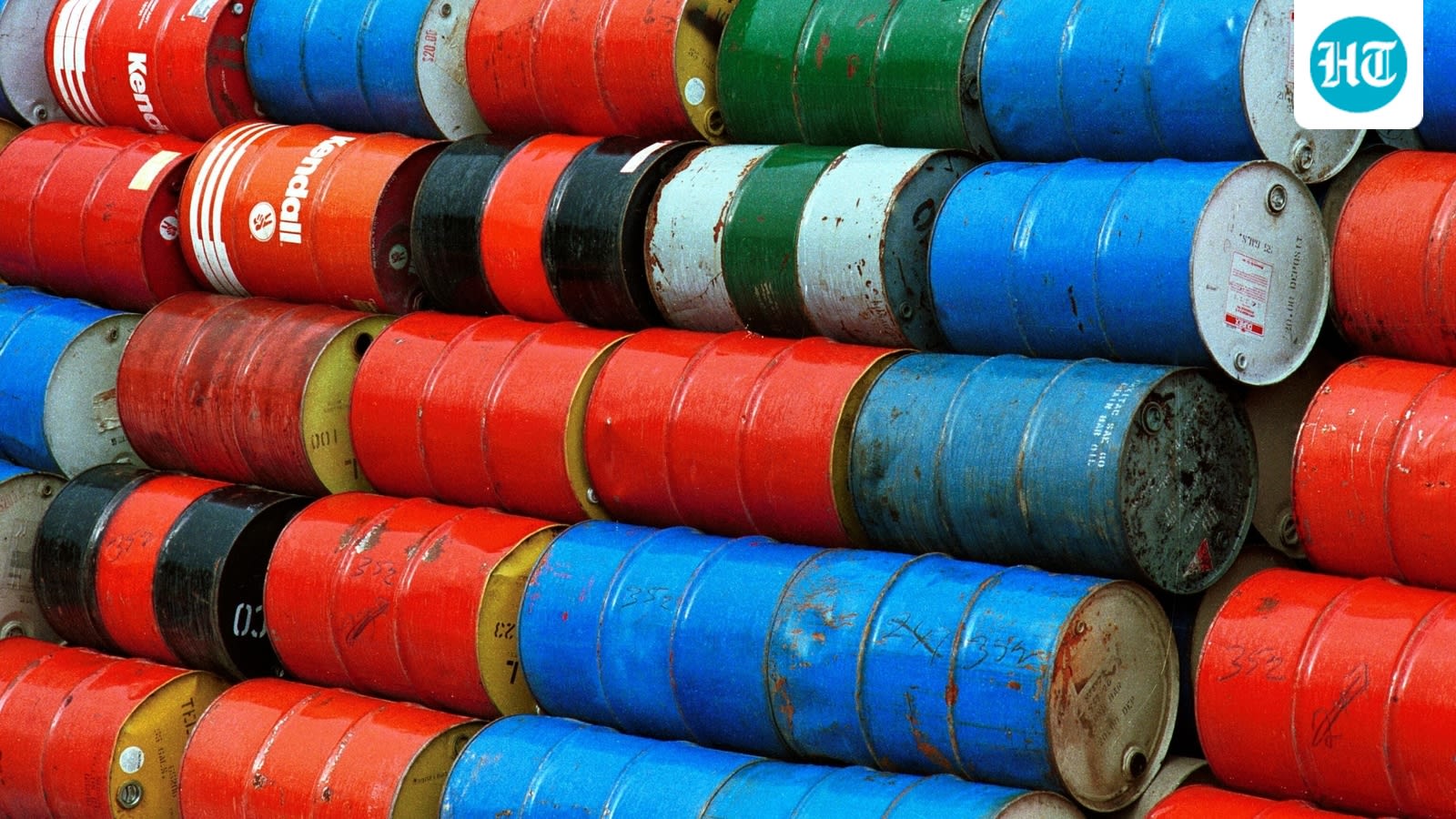
Oil prices surged over 1% after President Trump rejected an Iranian proposal to reopen the Strait of Hormuz. The rejection sustains market volatility seven months into the conflict following joint U.S.-Israel strikes on Iran.
Market Volatility Amidst Diplomatic Standoff
The global energy landscape has entered a period of heightened instability following President Donald Trump’s formal rejection of an Iranian peace proposal. This diplomatic impasse, which centers on the continued closure of the vital Strait of Hormuz, has triggered an immediate upward trajectory in crude oil benchmarks. Brent crude has seen significant gains, climbing past the $106 per barrel threshold, while U.S. West Texas Intermediate (WTI) has followed suit, reflecting deep-seated investor anxiety regarding the future of global supply chains.
Seven Months of Conflict and Market Strain
This current market reaction is the latest chapter in a conflict that has persisted for seven months. The instability began on February 28, following the initiation of joint U.S. and Israeli military strikes against Iranian targets. Since that date, the closure of the Strait of Hormuz has served as a primary bottleneck for energy exports, forcing markets to adjust to a new, higher baseline for oil pricing. The recent peace proposal, conveyed via Qatari mediators at the United Nations General Assembly, was viewed by some as a potential de-escalation path, but its dismissal has effectively extinguished those hopes for the near term.
The Strategic Importance of the Strait
The Strait of Hormuz remains the world’s most critical maritime chokepoint for oil transport. Its closure directly limits the flow of crude from major producers to international markets, creating a supply-side shock that exacerbates inflationary pressures. Even as alternative logistical routes are explored—such as the receipt of Iraqi oil at the Baniyas Oil Terminal in Syria—these secondary channels are insufficient to replace the volume lost by the continued blockade of the Strait. Consequently, traders are pricing in a long-term disruption, leading to the observed volatility.
Political Calculus and Midterm Implications
President Trump’s decision to reject the proposal appears tied to a broader strategic timeline. According to reports, the administration is anticipating that military pressure on Iran will continue or intensify following the U.S. midterm elections. By dismissing the current offer, the administration is signaling a preference for maintaining current geopolitical pressure over a negotiated settlement at this juncture. This stance has direct consequences for energy markets, as it signals to investors that the risk premium currently baked into oil prices is unlikely to dissipate before the end of the year.
Expert Outlook and Future Trends
Economists have noted that the market's sensitivity to these geopolitical updates is at an all-time high. As long as the Strait of Hormuz remains closed and the conflict remains unresolved, analysts expect oil prices to remain elevated. The inability to reach a diplomatic consensus suggests that the current volatility is not merely a transient spike but a reflection of a structural shift in the energy market. Moving forward, stakeholders should brace for continued fluctuations as the market reacts to every development in the U.S.-Iran standoff, with particular focus on post-election policy shifts and potential changes in regional military posture.
Verification Required?