'Very soon’: Trump predicts US victory in Iran war, says gas prices will tumble
Source Entity
SUBHADRA SRIVASTAVA
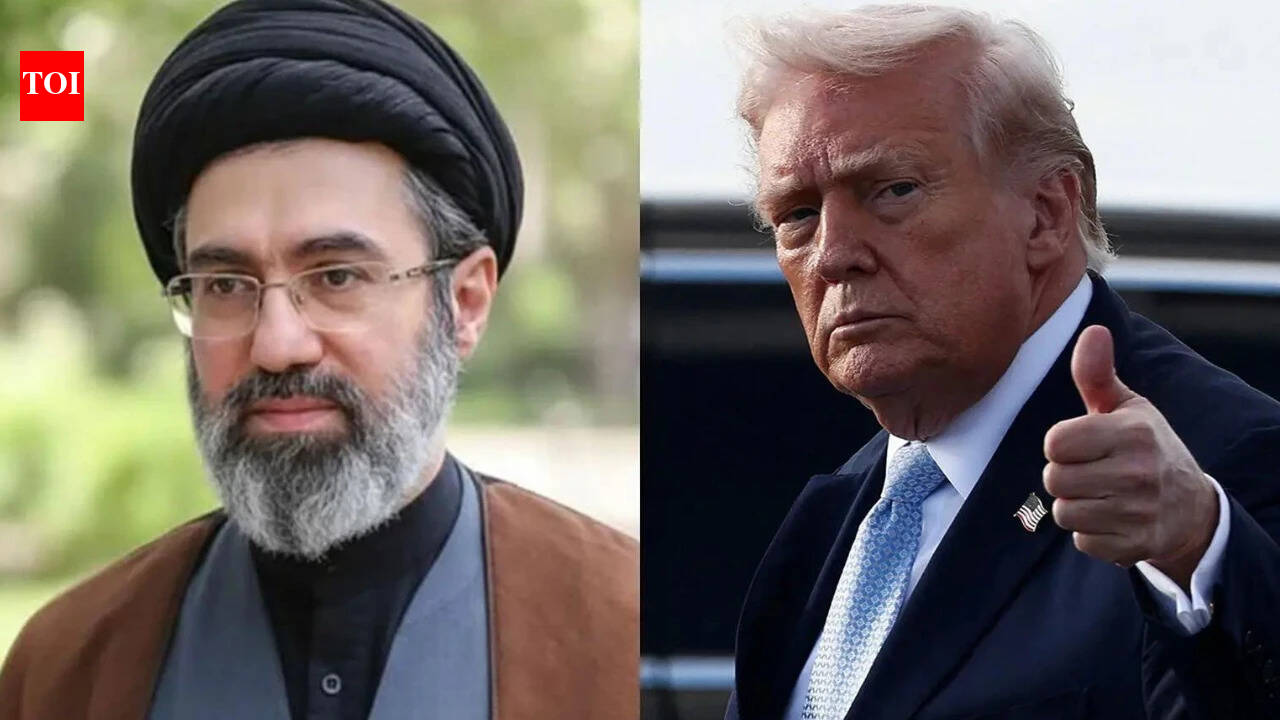
President Donald Trump has expressed confidence in a swift US victory over Iran, linking the conflict's conclusion to a decline in global energy prices. Despite ongoing indirect negotiations through mediators, both nations remain at an impasse as Tehran refuses direct talks without prior guarantees.
The Escalating US-Iran Standoff
Recent statements from President Donald Trump have signaled a significant intensification in the rhetoric surrounding the US-Iran conflict. During an Oval Office briefing, the President asserted that the United States is poised to "win" the confrontation, suggesting that the resolution of hostilities will occur "pretty quickly." This declaration comes amidst a backdrop of heightened geopolitical tension, where the administration is balancing a strategy of assertive military posturing with the utilization of third-party mediators to facilitate communication.
The Role of Diplomacy and Mediators
While the administration maintains a defiant public stance, the reality on the ground involves a complex web of back-channel diplomacy. President Trump confirmed that US officials have engaged with Iranian counterparts through intermediaries. This development is particularly noteworthy given that the President recently rejected a ceasefire proposal offered by Tehran. The Iranian leadership, meanwhile, maintains a firm position, stating they have "no plans" for direct engagement with Washington, insisting instead on concrete guarantees before any formal diplomatic dialogue can commence.
Economic Implications: The Energy Connection
A central pillar of the President’s narrative is the direct correlation between the conflict’s outcome and domestic economic performance. Trump explicitly stated that once the United States secures victory, gas prices will "come tumbling down" and oil prices will see a sharp decline. By framing the conflict through the lens of energy security, the administration is effectively tying the success of its foreign policy to the tangible financial relief of American consumers, particularly as the Strait of Hormuz remains a critical chokepoint for global oil transit.
Strategic Objectives and Nuclear Non-Proliferation
The overarching goal of the US strategy, as articulated by the administration, extends beyond mere military victory to include the prevention of a nuclear-armed Iran. The President’s messaging emphasizes a clear end-state: a swift conclusion to the conflict that secures US interests, stabilizes energy markets, and ensures that Iran does not develop a nuclear bomb. This creates a high-stakes environment where the administration feels pressure to deliver results that satisfy both security and economic mandates.
Future Outlook and Challenges
The trajectory of the conflict remains uncertain, characterized by a persistent gap between the demands of Washington and Tehran. While the administration predicts a swift resolution, the refusal of the Iranian government to engage in direct talks without prior assurances suggests that the diplomatic path remains fraught with obstacles. As mediators continue their work behind the scenes, the global community remains focused on the Strait of Hormuz, where the interplay of military posturing and economic necessity will likely dictate the next phase of this geopolitical crisis.
Conclusion
In summary, the situation remains a fluid and high-stakes standoff. President Trump’s recent comments underscore an administration determined to achieve a decisive outcome, both on the battlefield and in the energy markets. However, the lack of direct communication channels and the conflicting requirements for diplomatic engagement indicate that while a resolution is sought, the path to achieving it remains complex and subject to the volatile nature of international relations.
Multiple Citing Sources