Two sisters bought a Cornish island in the 1960s, left it to a trust; today it hosts seals, gulls and butterflies
Source Entity
Latest News: Todays Latest News Headlines from India & World | Hindustan Times | Hindustan Times
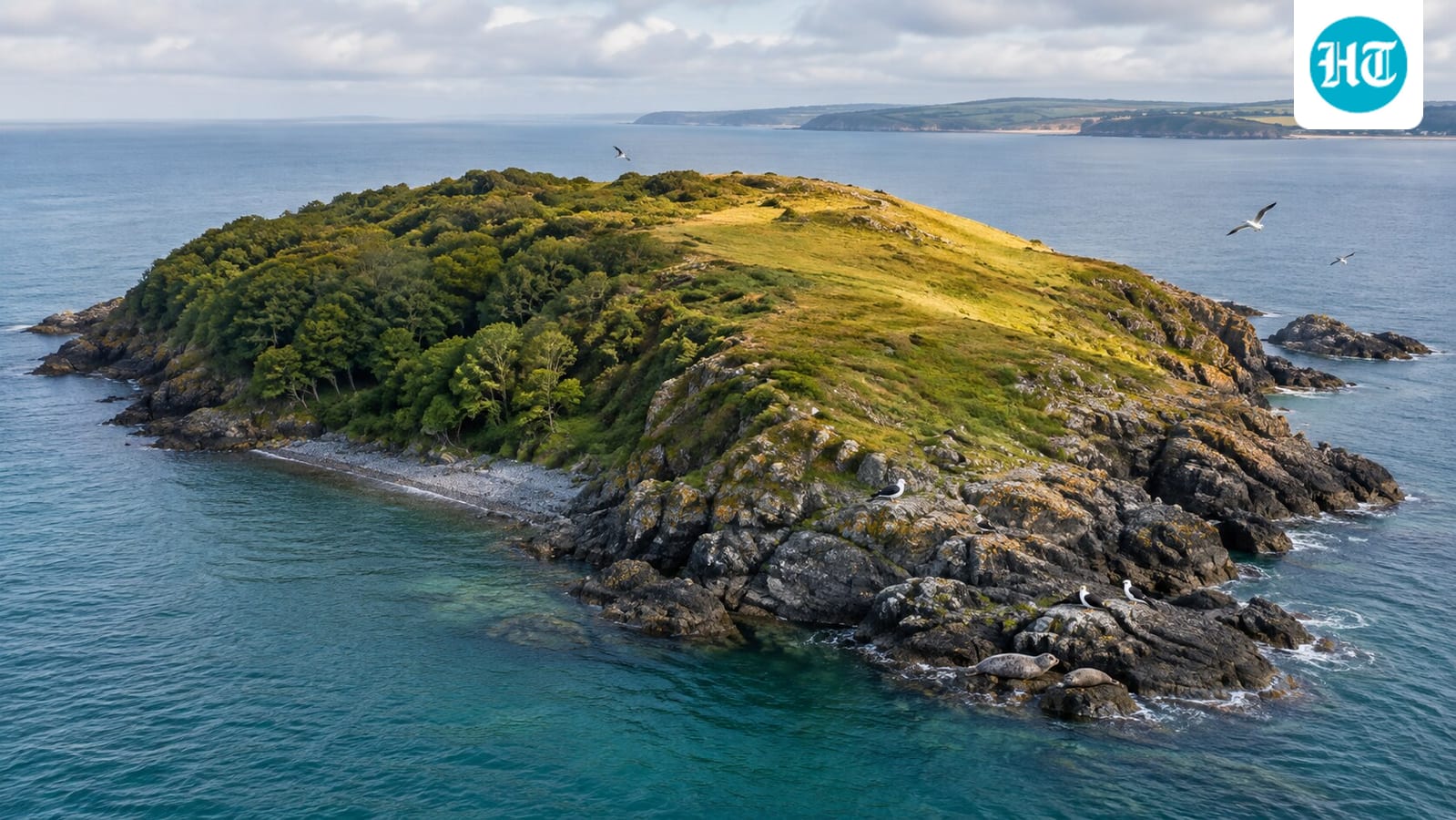
In the 1960s, sisters Evelyn and Babs Atkins purchased Looe Island, eventually gifting it to the Cornwall Wildlife Trust. Today, the island functions as a self-sufficient nature reserve protected from modern commercialization.
The Legacy of Looe Island: A Visionary Conservation Effort
In the 1960s, Evelyn and Babs Atkins made a decision that would defy the rapid modernization of the era: they purchased Looe Island. Rather than developing the land for commercial gain or private luxury, the sisters chose to preserve its ecological integrity, eventually entrusting the island to the Cornwall Wildlife Trust. This act of foresight has transformed a private purchase into a vital sanctuary, shielding the island from the encroaching pressures of 21st-century development.
A Haven for Biodiversity
Today, Looe Island stands as a protected reserve, serving as a critical habitat for a diverse array of species. The island is noted for hosting nesting birds such as cormorants, shags, and oystercatchers. Furthermore, it supports the largest breeding population of great black-backed gulls in Cornwall—a testament to the effectiveness of the trust’s conservation management. These impressive birds, which boast a wingspan of approximately 1.5 meters, thrive in an environment where human interference is strictly regulated.
The Reality of Off-Grid Living
While the concept of island living is often romanticized on digital platforms, the reality of Looe Island is markedly different. The island operates entirely without mains water, grid electricity, or local shops. This self-imposed isolation forces a reliance on sustainable practices; the island maintains its own fruit and vegetable plots. These gardens are not merely for sustenance but are managed specifically to benefit the local wildlife, ensuring that every acre serves an ecological purpose.
Challenging Modern Convenience
The existence of Looe Island serves as a poignant critique of the modern 'one-tap delivery' culture. In an age defined by instant gratification and constant connectivity, the Atkins sisters' legacy represents a radical alternative. By stripping away the infrastructure of modern life, the trust has created a space where the rhythm of nature dictates the pace of existence, rather than the demands of technology or consumerism.
Future Trends in Conservation
Looking forward, the model established by the Atkins sisters serves as a blueprint for private-to-public land conservation. As global biodiversity faces increasing threats, the success of managed reserves that prioritize self-sufficiency and habitat restoration becomes ever more relevant. Looe Island remains a powerful example of how private stewardship can yield long-term public and environmental benefits, proving that even small, remote locations can play a significant role in the broader fight to protect our natural world.
Verification Required?