Houthis force Saudi to beg Trump again while nuclear ally Pakistan stays silent? | Houthis Vs US
Source Entity
Latest News: Todays Latest News Headlines from India & World | Hindustan Times | Hindustan Times
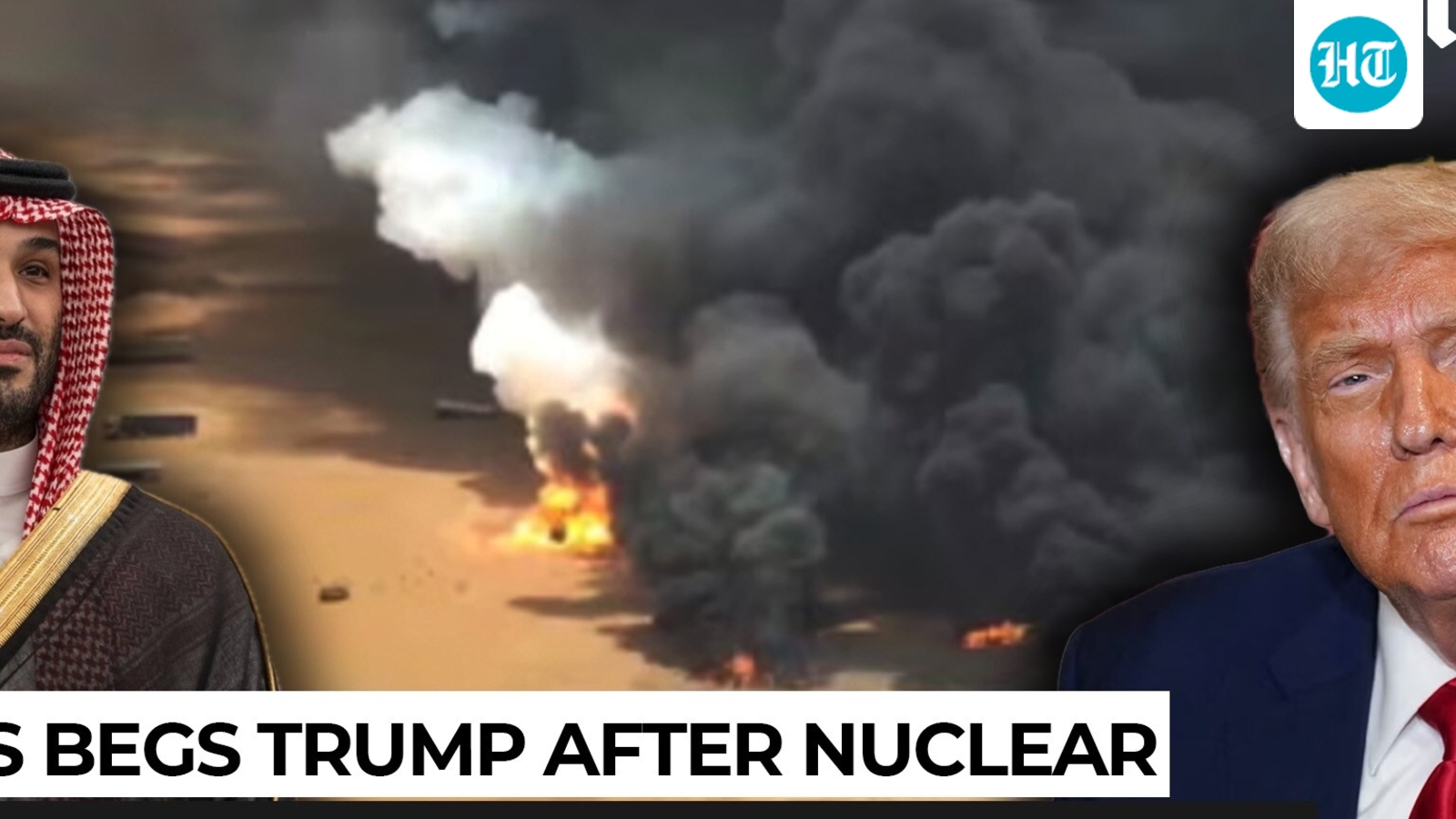
Saudi Arabia is seeking direct U.S. military intervention against Houthi forces as regional tensions intensify. Despite new defense pacts with Pakistan and Türkiye, Riyadh continues to rely on Washington to secure critical maritime chokepoints.
The Resurgence of Saudi-U.S. Security Dependence
Recent diplomatic maneuvers, underscored by Saudi Foreign Minister Faisal bin Farhan’s travel to Washington, signal a pivotal moment in Middle Eastern geopolitics. As fighting intensifies between Saudi Arabia and the Iran-backed Houthi rebels in Yemen, Crown Prince Mohammed bin Salman has actively lobbied for direct U.S. military intervention. This development highlights the enduring reliance of the Kingdom on American kinetic capabilities, even in an era where regional powers are increasingly diversifying their strategic security portfolios.
The Strategic Calculus of Intervention
The request for U.S. strikes against the Houthis reflects the acute pressure Riyadh faces as the conflict spills into a broader U.S.-Iran shadow war. Reports indicate that Donald Trump’s administration contemplated, then retreated from, direct military action against the Houthis. This hesitation underscores the delicate balancing act required of Washington: attempting to project strength in the region while remaining wary of triggering a wider, uncontrollable conflict that could engulf multiple fronts across the Middle East.
The Role of New Defense Pacts
Questions have naturally emerged regarding the efficacy of Saudi Arabia’s recently signed defense pacts with Pakistan and Türkiye. While these agreements are intended to provide a regional security umbrella, their relative silence or inaction during the current Houthi escalation suggests that these partnerships have not yet replaced the necessity of the American security guarantee. Riyadh’s continued reliance on Washington implies that neither Islamabad nor Ankara currently possesses the logistical or political appetite to engage in the specific type of high-intensity maritime and aerial operations required to deter the Houthis.
Chokepoints and Global Stability
The strategic significance of this conflict is magnified by its proximity to the Strait of Hormuz and the Bab el-Mandeb. These maritime chokepoints are critical to global energy supplies and international commerce. The Houthis' ability to threaten these lanes of communication turns a localized insurgency into a global economic liability. Consequently, the stability of these passages remains a primary pillar of U.S. foreign policy, forcing Washington to remain deeply entangled in the Saudi-Houthi dynamic despite its stated desire to focus on other global priorities.
Future Implications and Regional Trends
Looking forward, the failure of regional pacts to mitigate the Houthi threat may lead to a reassessment of Saudi military doctrine. If the Kingdom cannot secure its borders through regional alliances, it may be forced to either deepen its military integration with the U.S. or seek a diplomatic de-escalation with Tehran. As pressure builds, the region remains at a crossroads where a single miscalculation could push the Middle East into a more dangerous, multi-front conflict.
Verification Required?