Lindsay Clancy trial: Why did the prosecutor ask for gag order? Kevin Reddington's remarks on holdout juror sparks row
Source Entity
Latest News: Todays Latest News Headlines from India & World | Hindustan Times | Hindustan Times
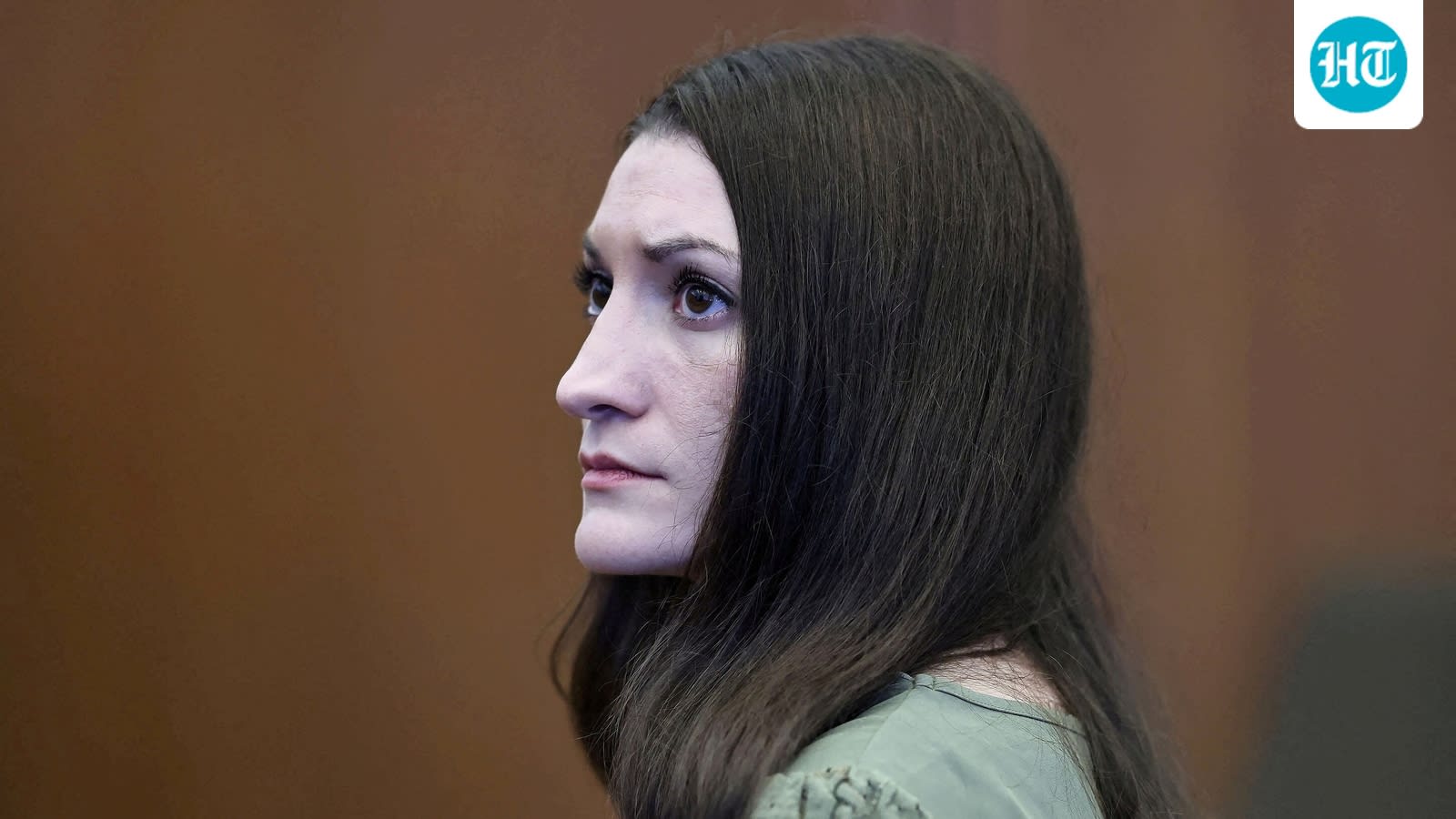
Lindsay Clancy remains at Tewksbury Hospital following a mistrial in her triple-murder case, where she faces charges related to the deaths of her children. Legal proceedings are currently stalled by disputes over a potential gag order and defense arguments regarding double jeopardy protections.
The Legal and Medical Status of Lindsay Clancy
The ongoing legal proceedings surrounding Lindsay Clancy have entered a complex phase following the declaration of a mistrial on September 4. As of the latest status hearings in Plymouth, Massachusetts, the case remains in a state of judicial limbo. Clancy, who stands accused of the deaths of her three children, continues to reside at Tewksbury Hospital, a facility approximately 30 miles north of Boston that specializes in the treatment of adults with complex mental and medical illnesses.
The Defense Strategy and Postpartum Psychosis
Central to the defense's strategy is the assertion that Clancy was suffering from severe postpartum psychosis at the time of the incident. Her attorney, Kevin Reddington, has maintained this position throughout the proceedings. The defense has now pivoted toward a significant constitutional argument, contending that subjecting Clancy to a retrial would violate her protections against double jeopardy. This legal maneuver aims to halt further prosecution entirely, placing the focus squarely on the definition of a fair trial in cases involving severe mental health crises.
Emerging Tensions: The Gag Order Request
During the recent status hearing on September 29, the prosecution moved to implement a gag order. This request was prompted by concerns regarding media leaks allegedly originating from a holdout juror. The prosecution’s desire to restrict public commentary reflects the high-stakes nature of the trial and the potential for external influence to compromise the integrity of future proceedings. Judge William Sullivan is now tasked with balancing the right to a fair trial with the public interest in this high-profile case.
The Role of Tewksbury Hospital
Clancy’s ongoing residency at Tewksbury Hospital is more than a matter of logistics; it serves as a focal point for the medical testimony presented in court. Testimony provided by experts, such as Dr. Paul Zeizel, has offered a glimpse into her daily routines and the persistent nature of her mental health concerns. The hospital's role as a provider of comprehensive care highlights the intersection of the criminal justice system and the mental health infrastructure in Massachusetts.
Future Trends and Judicial Challenges
As the case moves forward, the court must address the friction between the defense's claims of insufficient evidence and the prosecution's insistence on accountability. The defense's bold claim that there is "no evidence" of the crime, coupled with the ongoing disputes over juror conduct, suggests that the path to a resolution will be fraught with procedural hurdles. The outcome of these motions will likely set a significant precedent for how the legal system handles cases where postpartum mental health is the primary defense.
Conclusion
Lindsay Clancy’s case remains a deeply sensitive and complex intersection of law, medicine, and public scrutiny. With the defense seeking to avoid a retrial and the prosecution attempting to contain the influence of media and juror conduct, the future of the case remains uncertain. The court's next decisions will be pivotal in determining whether the justice system can adequately address the nuances of this tragic situation while upholding the rights of the accused.
Verification Required?