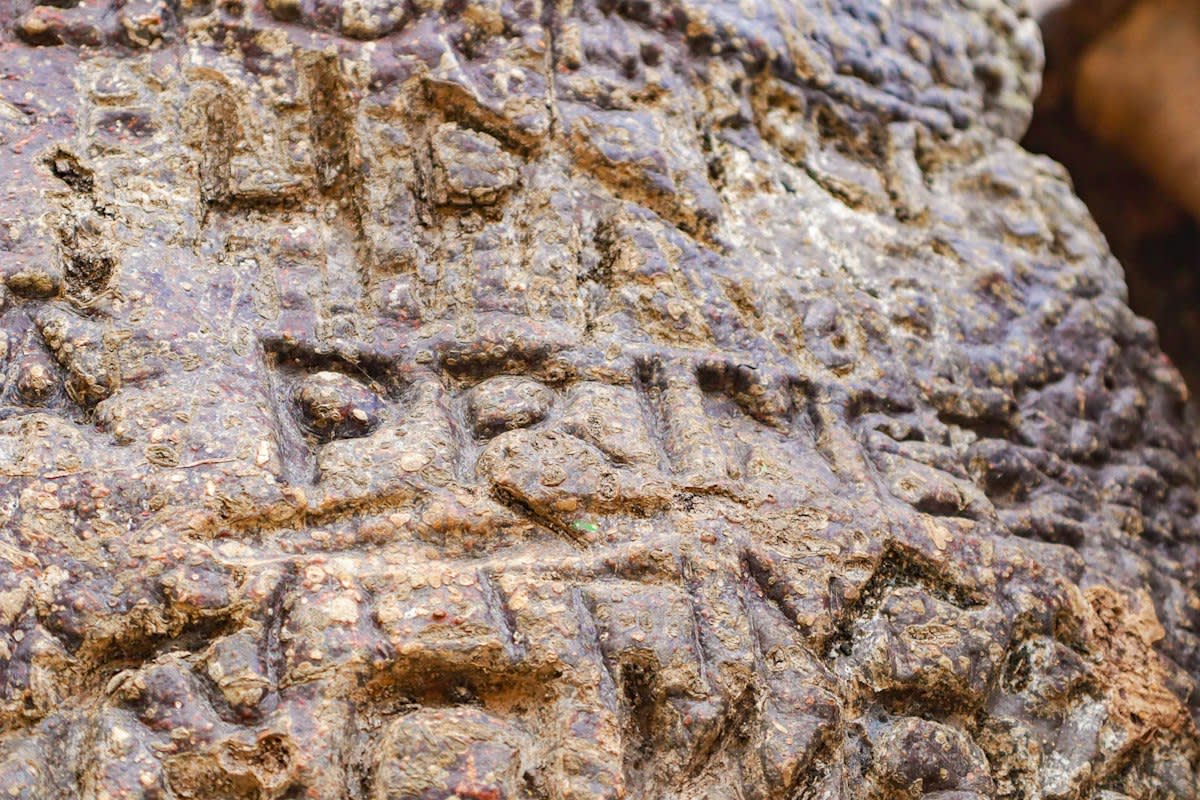
Who decided that writing requires a surface and a pigment? This assumption is a hollow remnant of Western bias. For the Inca, the archive was tactile. It was a grip of fiber and tension. They used the quipu, a complex system of knotted strings, to store the weight of an entire empire without a single drop of ink. While we obsess over alphabets, the Inca managed vast territories through a three-dimensional data stream that recorded everything from battle accounts to genealogy (Source: Trexperience Peru, 2026).
Prerequisites for the Tactile Analyst
You cannot approach a quipu with the mindset of a reader. You must approach it as a weaver. The first requirement is a fundamental shift in how you perceive information. You need a high-resolution understanding of textile tension. You need to recognize that a knot is not just a marker, but a coordinate in a larger web of meaning. Without an appreciation for the physical properties of cotton or camelid fibers, the data remains invisible.
- Macro-lens equipment for fiber analysis
- A comparative database of Andean knotting techniques
- Knowledge of non-linear data structures
- Access to primary khipu remnants or high-fidelity replicas
The Protocol for Decoding Imperial Knots
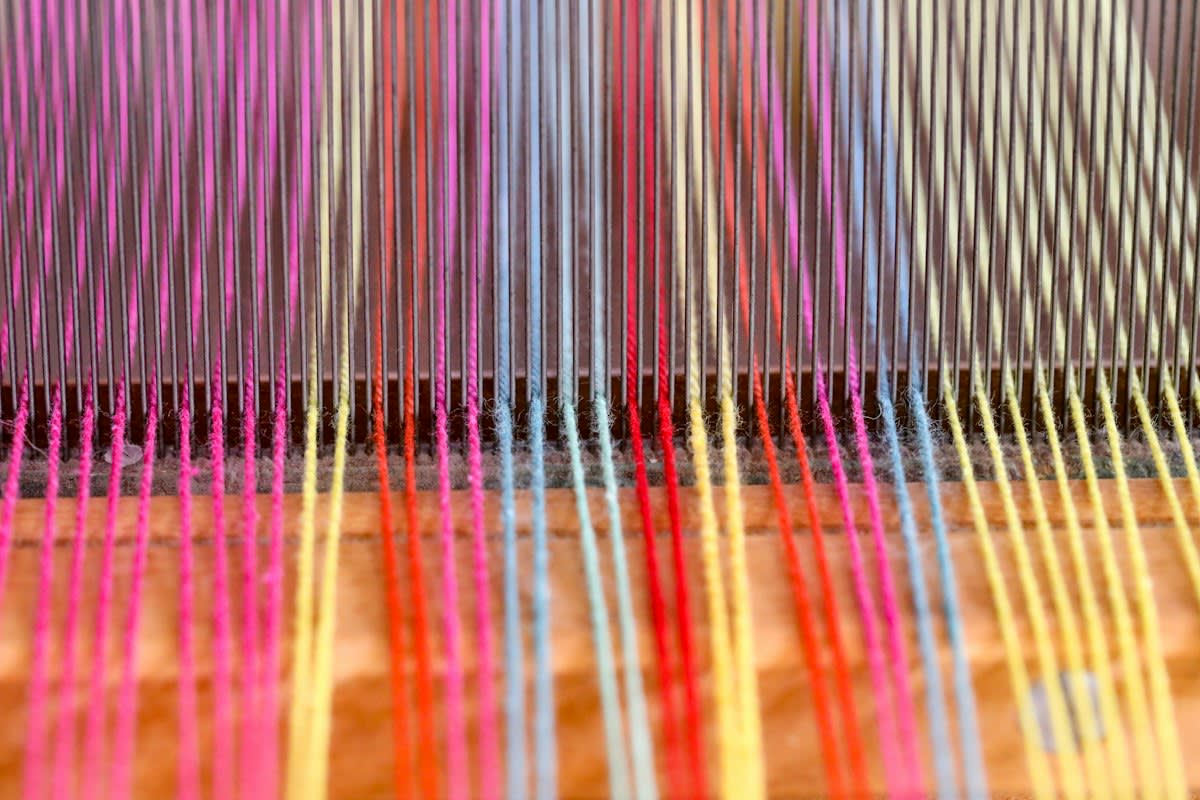
Decoding a quipu is a mechanical process. It is a slow suture of evidence and intuition. You are not reading a sentence; you are mapping a database. The process requires a strict sequence to avoid the fraying of data integrity. If you jump to conclusions about the meaning before analyzing the material, you will fail.
- Isolate the Primary Cord: Identify the main horizontal string from which all pendant cords hang. This is the anchor of the data set.
- Map the Pendant Cords: Count and categorize the secondary strings. Note their color and the direction of the twist (S-twist or Z-twist), as these often denote the category of information.
- Classify the Knot Types: Distinguish between single knots, long knots, and figure-eight knots. Each represents a specific value or a qualitative marker (Source: Trexperience Peru, 2026).
- Determine the Positional Value: Analyze the distance of the knot from the primary cord. The Inca used a base-ten system where the vertical position indicated the power of ten (units, tens, hundreds).
- Cross-Reference with Administrative Goals: Compare the findings against known imperial needs. Are these battle accounts? Genealogical records? Or perhaps resource tracking similar to how Ancient Egyptians recorded food and materials (Source: Egypt Time Travel, 2026)?
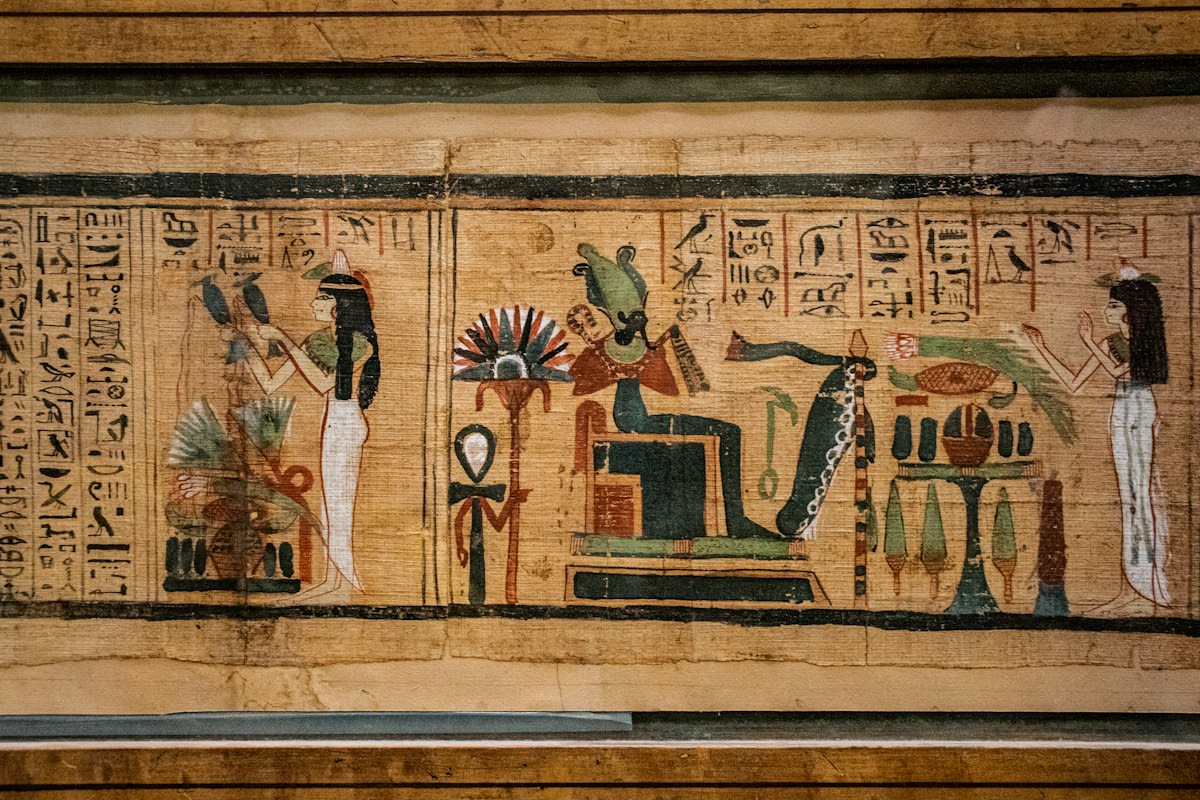
The collision between tactile recording and written record-keeping is where the real insight lies. Consider the Ancient Egyptians. They used hieroglyphs to track workers, supplies, and legal agreements (Source: Egypt Time Travel, 2026). Their system was a visual anchor. The Inca system was a physical one. Both served the same imperial default: the need to maintain records beyond the memory of a single official (Source: Egypt Time Travel, 2026).
"The quipu is sometimes called the 'Inca Rosetta Stone' because it was used to store such a wide variety of information, from genealogical data to battle accounts."— Research Analysis, Trexperience Peru
This is the bridge. Whether it is a glyph on a temple wall in Luxor or a knot in a cord in Cusco, the goal is the same: institutional staying power. These tools allowed empires to function across vast distances. They ensured that a decree in the capital remained a reality in the provinces.
The Practitioner's Friction: The Invisible War
In the field, you will encounter a brittle academic divide. On one side are the philologists. They want a lexicon. They want to find a 'word' for 'corn' or 'gold' in the knots. On the other side are the data historians. We argue that the quipu is not a language in the phonetic sense, but a structured dataset. This dispute is not academic; it is a mechanical failure of perspective. When you try to force a three-dimensional knot into a two-dimensional alphabet, you lose the nuance of the recording.
I have seen researchers spend years trying to 'read' a quipu as a book. They fail. They ignore the weight of the cord. They ignore the tactile feedback of the knot. The friction comes from the refusal to accept that an empire can be managed through a system that bypasses the visual alphabet entirely.
Comparative Administrative Recording
| Recording Goal | Inca Method (Quipu) | Egyptian Method (Hieroglyphs) |
|---|---|---|
| Resource Tracking | Knotted cords/positional values | Inscriptions on labels/vessels (Source: Egypt Time Travel, 2026) |
| Imperial History | Battle accounts in knots (Source: Trexperience Peru, 2026) | Standardized historical texts (Source: Egypt Time Travel, 2026) |
| Lineage/Legal | Genealogical knots (Source: Trexperience Peru, 2026) | Legal agreements/administrative correspondence (Source: Egypt Time Travel, 2026) |
The efficiency of these systems is staggering. Egyptian hieroglyphs remained in use across extraordinary changes in history because they were capable of recording extensive religious and political texts (Source: Egypt Time Travel, 2026). Similarly, the quipu allowed the Inca to saturate their administration with precise data. Both systems solved the problem of distance. Both systems ensured that the center held the grip on the periphery.
Common Pitfalls in Knot Analysis
Even seasoned practitioners fall into traps. The most common error is the assumption of linearity. You cannot read a quipu from left to right. You must read it as a cluster. Another failure is ignoring the empty space. In a quipu, the absence of a knot is as meaningful as the presence of one. It is a zero. If you ignore the void, your totals will be wrong.
- Treating the quipu as a phonetic alphabet rather than a data set.
- Ignoring the color of the fibers, which often denotes the commodity or social class.
- Overlooking the twist direction of the string, which can change the meaning of the knot.
- Failing to account for the 'zero'—the empty space on the cord.
Fact-Check & Accuracy Note
The debate over whether quipus were purely mnemonic (a memory aid) or true writing (capable of conveying complex narrative) remains central to Andean studies. While sources like Trexperience Peru (2026) highlight their use for battle accounts and genealogy, the exact 'grammar' of the knots is still being decoded by researchers.