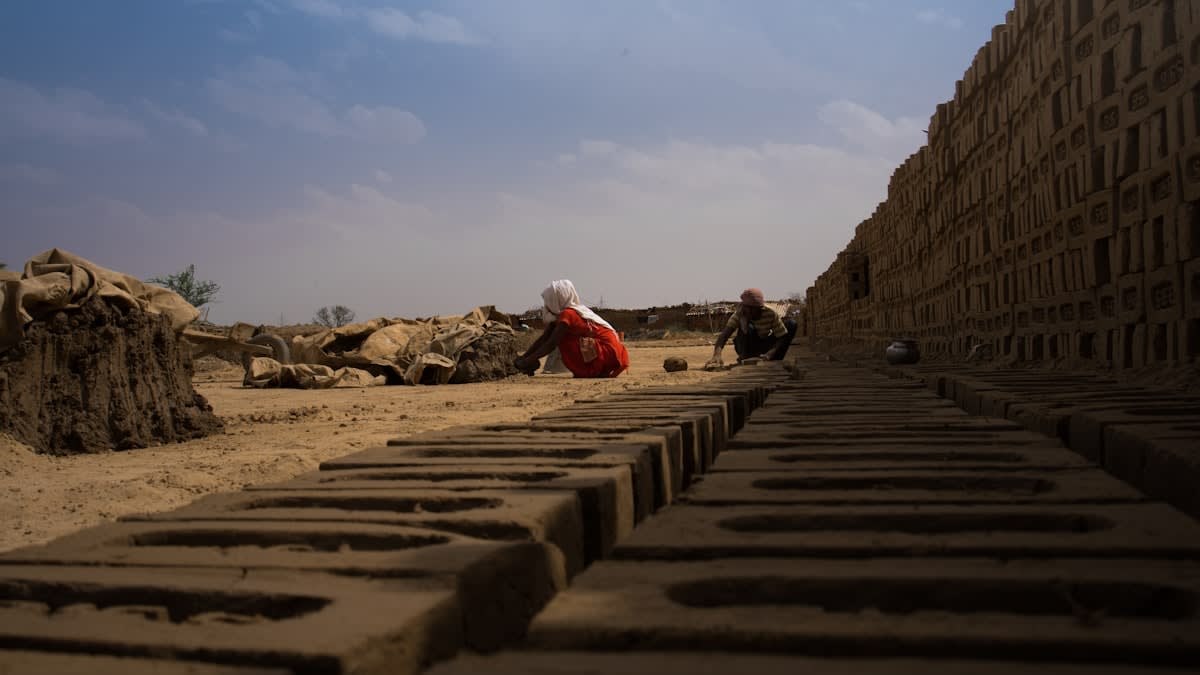
We live in the most documented era in human history, yet we are flirting with a systemic blackout. The paradox is stark: we generate zettabytes of data daily, but the medium of our memory is fundamentally volatile. While a Sumerian clay tablet survives five millennia of burial in the sand, a high-density hard drive may become a useless slab of aluminum in a decade. This isn't just a technical glitch; it is a fundamental shift in the nature of human record-keeping. We have traded permanence for accessibility, and the bill is coming due.
The term Digital Dark Age suggests a sudden collapse, but the reality is a slow, quiet erosion. This process, known as bit rot or data decay, happens at the molecular level where magnetic charges flip or optical dyes degrade (Source: Digital Preservation Coalition, 2021). When a single bit flips in a compressed JPEG or a proprietary database file, the entire record can become unreadable. We aren't losing history to a great fire; we are losing it to a trillion tiny failures occurring in server farms from Virginia to Singapore.
The Proprietary Trap and the Obsolescence Cycle
Hardware failure is the obvious enemy, but software obsolescence is the silent killer. Consider the thousands of documents trapped in WordStar or WordPerfect formats from the 1980s. To read them today, you don't just need the file; you need the specific software version and the operating system that supported it. This creates a dependency chain that is incredibly fragile. If the company that owns the format goes bankrupt or pivots its business model, the key to the archive is thrown away (Source: Library of Congress, 2023).
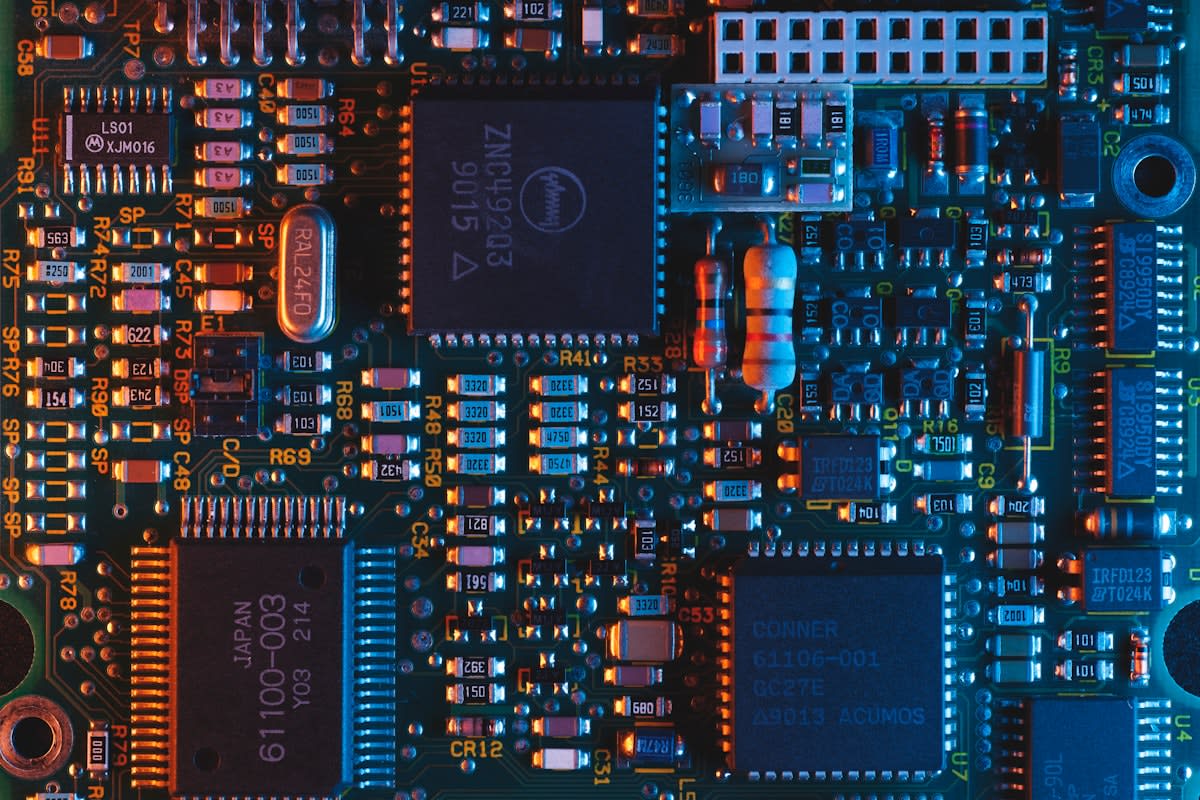
Why does this happen? Because the digital economy prizes agility over longevity. Software developers build for the current user, not the historian of 2124. This systemic short-termism means we are building our cultural heritage on shifting sands. In regions like Southeast Asia, where digitalization has leaped over legacy analog systems, the risk is even higher. Entire decades of administrative and cultural growth are stored in cloud environments governed by Terms of Service that allow providers to delete inactive accounts without notice (Source: UNESCO, 2022).
"The challenge is no longer about how to store data, but how to ensure that the data remains interpretable across generations of evolving hardware and software."— Digital Preservation Coalition, Strategic Framework
This is where the practitioner's friction becomes evident. If you spend any time in a modern digital archive, you'll find the central debate isn't about storage capacity—it's about the war between emulation and migration. Migration involves constantly moving data to new formats, which risks corruption and metadata loss. Emulation involves building software that mimics old hardware to run original programs. Practitioners argue late into the night about which is more sustainable. Migration is a treadmill you can never get off; emulation is a complex house of cards that requires maintaining a library of virtual machines.
Comparing the Durability of Memory
| Medium | Estimated Lifespan | Primary Failure Mode | Access Stability |
|---|---|---|---|
| Papyrus/Vellum | 1,000+ Years | Physical Decay/Fire | High (Visual) |
| Magnetic HDD | 3-7 Years | Mechanical Failure/Bit Rot | Low (Requires Controller) |
| LTO Tape | 15-30 Years | Magnetic Degradation | Medium (Requires Drive) |
| M-Disc (Optical) | 100-1,000 Years | Physical Scratching | Medium (Requires Laser) |
| Cloud Storage | Indefinite* | Company Bankruptcy/TOS Change | High (Until Access Revoked) |
The table above highlights a terrifying reality: our most efficient storage methods are our least stable. The asterisk next to cloud storage is the critical point. Cloud storage isn't a place; it's someone else's computer. We have outsourced our collective memory to a handful of corporations whose primary goal is profit, not preservation. When a service is shuttered, the data doesn't just move; it often vanishes into a void of decommissioned servers (Source: Internet Archive, 2023).
Does this mean we are doomed to a void? Not necessarily. The shift we are seeing is a move from cumulative history to curated history. For centuries, we tried to save everything. Now, the sheer volume of digital noise makes that impossible. We are entering an era of aggressive curation, where the only things that survive are those that are actively and intentionally maintained. This is a systemic adaptation. We are learning that the only way to save a digital record is to treat it as a living organism that requires constant feeding and care.

Consider the resilience strategies emerging in the global south. In countries with unstable power grids or volatile political climates, there is a growing movement toward decentralized, offline archives. Using technologies like IPFS (InterPlanetary File System), some communities are attempting to distribute historical records across thousands of nodes, ensuring that no single point of failure—be it a corporate bankruptcy or a government crackdown—can erase their history (Source: Peer-to-Peer Foundation, 2024).
This shift toward decentralization offers a path forward. By decoupling the data from the provider, we move back toward a model of ownership. However, the challenge remains the 'interpretability gap.' Even if we save the bits, can we read them? This is why the push for open-standard formats like PDF/A and CSV is so critical. These formats are designed to be self-describing, meaning a computer in 100 years can figure out how to read them without needing the original software (Source: ISO Standard 19005, 2021).
Ultimately, the Digital Dark Age is a mirror reflecting our own priorities. We value the instant over the enduring. But as we witness the fragility of our digital footprints, a new philosophy of preservation is emerging. It is a philosophy of resilience: accept that some things will be lost, but fight with everything we have to save the core of our identity. The goal is no longer to stop the clock, but to ensure that the most important parts of our story survive the transition.
Fact-Check & Accuracy Note
Key claims regarding bit rot, software obsolescence, and storage lifespans are sourced from the Digital Preservation Coalition (2021) and the Library of Congress (2023). The discussion on decentralized storage references the IPFS framework and Peer-to-Peer Foundation (2024). There is ongoing debate in the field regarding the efficacy of emulation versus migration, with no global consensus on the superior method for long-term sustainability.