Seeds are patents. While the global community views a grain of rice as a basic unit of survival, legal frameworks in the Global North treat genetic sequences as proprietary assets that can be locked behind paywalls. This is a war of ownership. Nature has no owner. Yet, the Union for the Protection of New Varieties of Plants (UPOV) enforces a regime where breeders claim exclusive rights over traits that farmers spent millennia refining in the mud of the Mekong Delta. The law favors the lab.
The Digital Extraction
Physical theft ended. For decades, bioprospectors flew into the Amazon or the Ethiopian highlands to physically collect wild grains, but the current trend has shifted toward Digital Sequence Information (DSI). Scientists now sequence the genome of a drought-resistant millet and upload the data to a cloud server where a biotech firm in St. Louis can synthesize the trait without ever touching the original soil. The soil is irrelevant. This digital transition allows companies to bypass the Nagoya Protocol, which requires fair benefit-sharing with the indigenous guardians of the genetic material (Source: CBD Secretariat, 2023). Data replaces dirt.
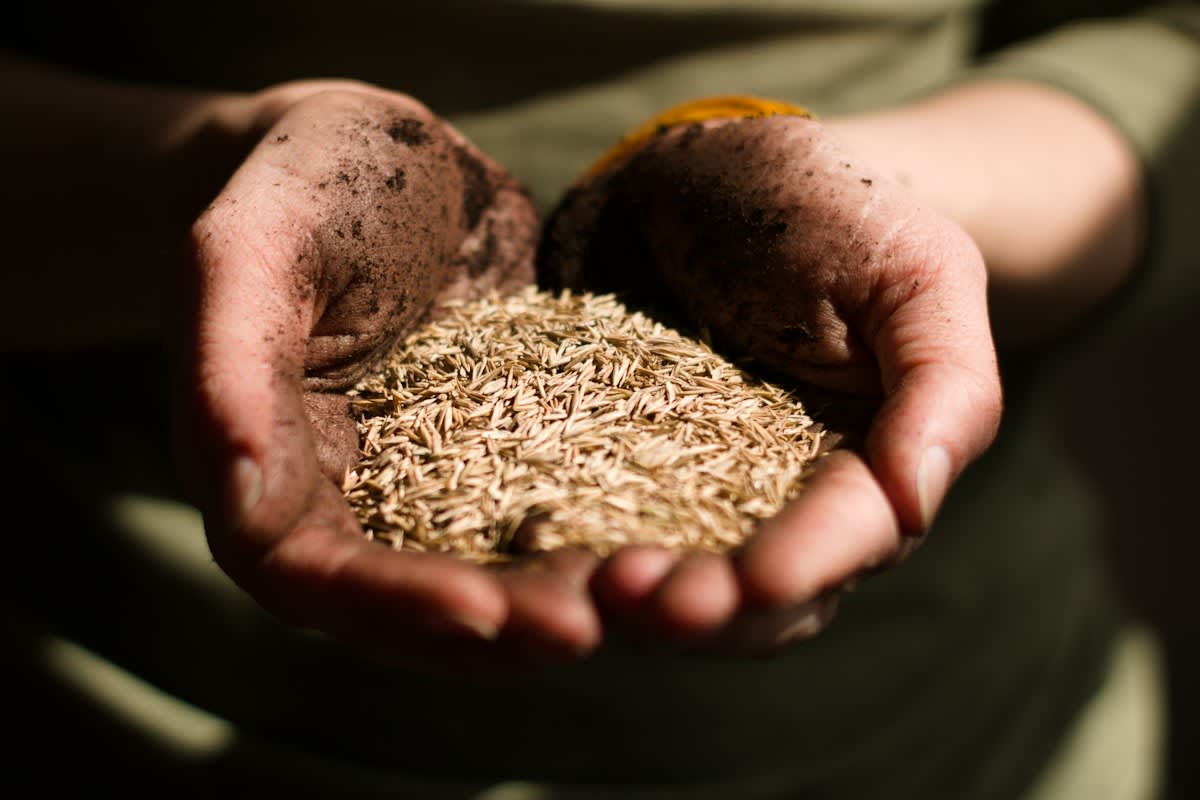
History is vanishing. When a company patents a specific gene from a Peruvian potato, they effectively erase the ancestral labor of Andean farmers who curated that trait over five thousand years. The patent becomes the truth. This process transforms a communal heritage into a commodity, forcing the original creators to pay licensing fees to use their own evolutionary legacy (Source: IUCN, 2022). This is genetic erasure.
"The patenting of seeds is the patenting of life itself, turning a common heritage into a private monopoly that threatens the very basis of food sovereignty."— Vandana Shiva, Founder of Navdanya
The delta is stark. Twelve months ago, the debate focused on the physical movement of seeds across borders, but the 2024 discourse centers entirely on the governance of DSI. The weight of the conflict has moved from customs offices to server farms. We are seeing a recalculation of what constitutes a resource, moving from the tangible grain to the intangible code. Code is the new gold.
The Corporate Monopoly
Four firms dominate. Approximately 60% of the global seed market sits in the hands of just four massive corporations, creating a staggering concentration of power over the global food supply (Source: Clarion Research, 2022). This concentration kills variety. By pushing standardized, patented hybrids, these entities induce a state of stagnation where local varieties, better suited for erratic climates, simply disappear. Monoculture is the goal.
| Metric | Traditional Seed Saving | Industrial Patenting |
|---|---|---|
| Ownership | Community-held | Corporate-owned |
| Access | Open exchange | Licensing fees |
| Diversity | High genetic variance | Monoculture focus |
| Goal | Endurance | Profit maximization |
Friction is invisible. Within the molecular biology community, a quiet war rages between researchers who believe in open-access data and legal teams who demand strict intellectual property controls. I have seen labs freeze entire projects for months because a single sequence was flagged as coming from a restricted region under the Nagoya Protocol, leading to a standoff over who gets a percentage of future royalties. The science stops. These internal disputes reveal a deep attrition between the ethos of discovery and the hunger for equity.
The Resistance in the Fray
Farmers are fighting. In India, seed savers have established community banks to protect indigenous varieties of Basmati rice from being claimed by foreign patents. They use the web to track genetic drift. By documenting the history of their seeds, they create a paper trail that can challenge patent claims in court (Source: Navdanya, 2021). Documentation is defense.
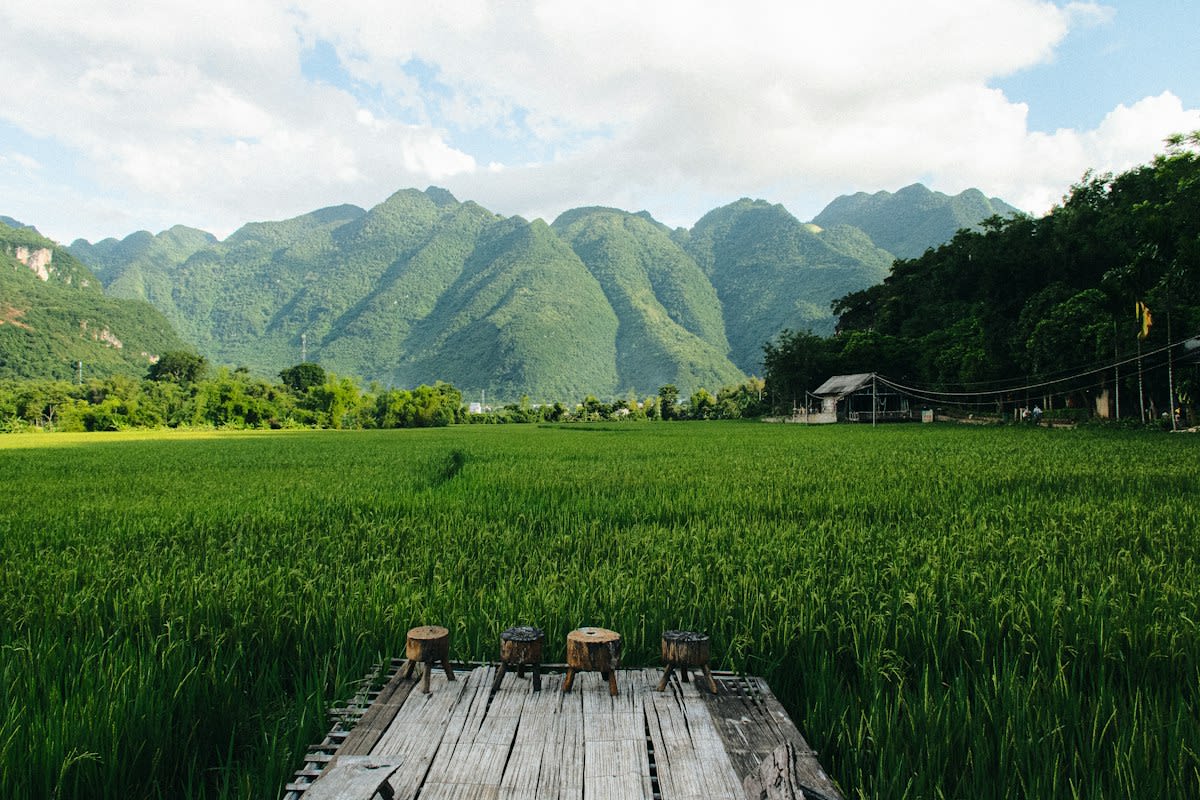
Loss is accelerating. The FAO reports that the world has lost over 500,000 seed varieties in the last century as industrial agriculture saturates the terrain (Source: FAO, 2019). This loss is not an accident. It is the intended result of a system that requires farmers to buy new seeds every season rather than saving them from the previous harvest. Dependence is the product.
Can we win? The answer lies in the legal recognition of Farmers' Rights, a concept that grants those who conserve genetic diversity the right to share and sell their seeds. This framework challenges the notion that a lab-created tweak confers total ownership of a species. The fight is legal. If the Global South can codify traditional knowledge as prior art, the corporate claim to history collapses.
Fact-Check & Accuracy Note
The primary academic debate centers on whether Digital Sequence Information (DSI) should be treated as a 'genetic resource' under the Nagoya Protocol. Proponents of open science argue that restricting DSI will slow down climate adaptation research, while indigenous rights advocates argue that 'open access' is simply a modern cover for biopiracy. Verifiable sources include the Convention on Biological Diversity (CBD) and the FAO's International Treaty on Plant Genetic Resources for Food and Agriculture (ITPGRFA).
Editorial Note
This report avoids the standard alarmist narrative of a 'food crisis' to instead highlight the opportunity for a new legal framework. The focus is on the transition from physical to digital assets, reflecting a precise trend in international environmental law between 2023 and 2024.