Could the Huntingdon attack have been prevented?
Source Entity
BBC News
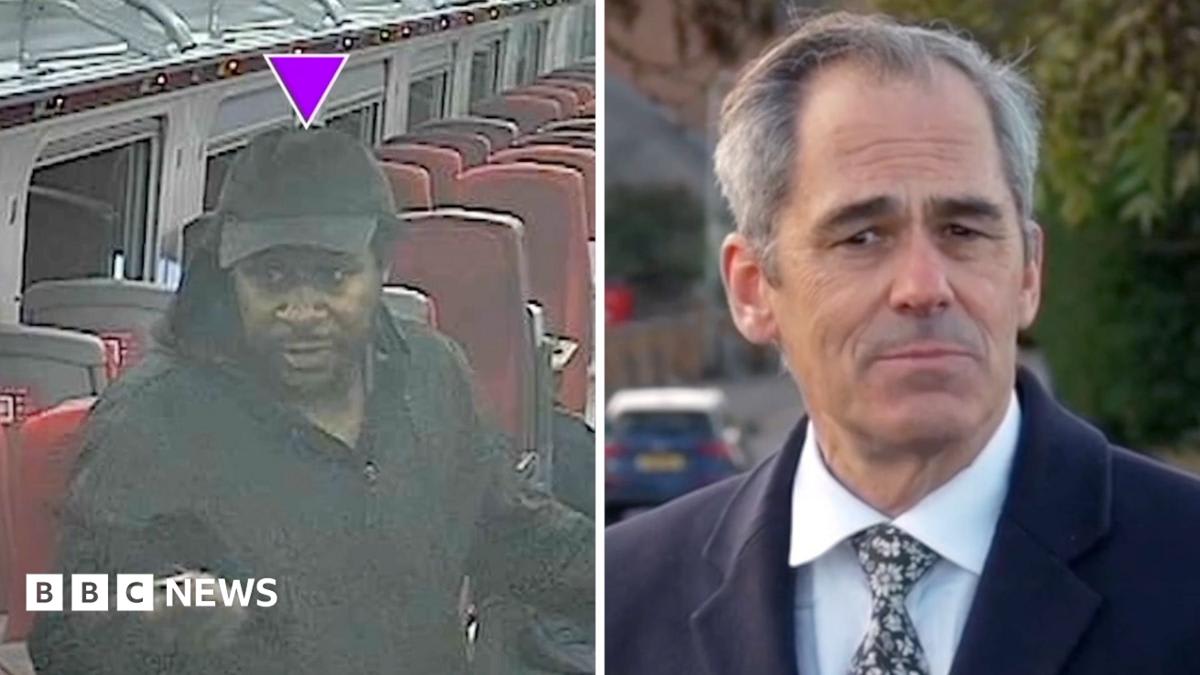
Anthony Williams has been convicted of 14 counts of attempted murder following a violent stabbing spree on a train and in surrounding areas in 2025. The attack, which left 10 people injured on a London-bound service, has sparked a critical investigation into missed opportunities for intervention.
The Huntingdon Train Attack: A Comprehensive Overview
On November 1, 2025, a violent incident occurred on a Doncaster to King's Cross LNER train service that left passengers in terror. Anthony Williams, 33, of Langford Road, Peterborough, carried out a series of stabbings across a five-minute window that resulted in 10 injuries on the train alone. Following a trial, Williams has been found guilty of 14 counts of attempted murder, encompassing both the train attacks and additional incidents in Peterborough and London.
The Sequence of Terror
The attack unfolded rapidly as the train traveled between Peterborough and London. Passengers, including Scott Green, who was traveling with his dog, initially mistook the commotion for a common fight. The situation escalated quickly as Williams moved through the carriages, stabbing victims indiscriminately. In a display of extreme survival instincts, passengers utilized household items—including a frying pan and a toaster—to defend themselves and others. Some passengers sought refuge in toilets and bike racks to escape the violence, while others, like Green, were shielded by fellow commuters amidst the chaos.
Legal Proceedings and Verdict
Following a trial at Cambridge Crown Court, jurors deliberated for nearly 17 hours before returning guilty verdicts on all 14 counts of attempted murder. The complexity of the case, involving multiple locations, underscores the severity of the threat Williams posed. The court is scheduled to sentence Williams on February 4 and 5. His defense had initially denied all charges, but the evidence presented regarding the 10 train-based stabbings and four additional attacks proved insurmountable.
Missed Opportunities and Mental Health
A critical component of the post-conviction discourse centers on whether the violence could have been prevented. Reports have emerged indicating that in the days leading up to the attack, Williams had informed his doctor that his prescribed psychosis medication was ineffective. This revelation has prompted a broader investigation into the efficacy of the mental health support systems Williams was interacting with and whether there were tangible missed opportunities to intervene before he carried out these violent acts.
Broader Implications and Safety Concerns
This incident highlights the vulnerability of public transit systems to sudden, unpredictable acts of violence. The quick thinking of passengers who used improvised weapons and the decisive action of the train driver—who performed an unscheduled stop in Huntingdon, Cambridgeshire, to facilitate an arrest by armed police—likely prevented further casualties. Moving forward, authorities will likely face pressure to review security protocols on high-speed rail lines and evaluate how medical professionals handle reports of medication failure in high-risk patients.
Conclusion
The conviction of Anthony Williams marks the end of a harrowing legal process, but it opens a difficult conversation regarding the intersection of mental healthcare, public safety, and transit security. As the legal system moves toward sentencing, the focus remains on ensuring justice for the 14 victims while addressing the systemic failures that may have contributed to this tragedy.