Hours After Amit Shah's Dare To Rahul Gandhi, A Big Move On Delimitation: What We Know On Numbers
Source Entity
NDTV News Search Records Found 1000
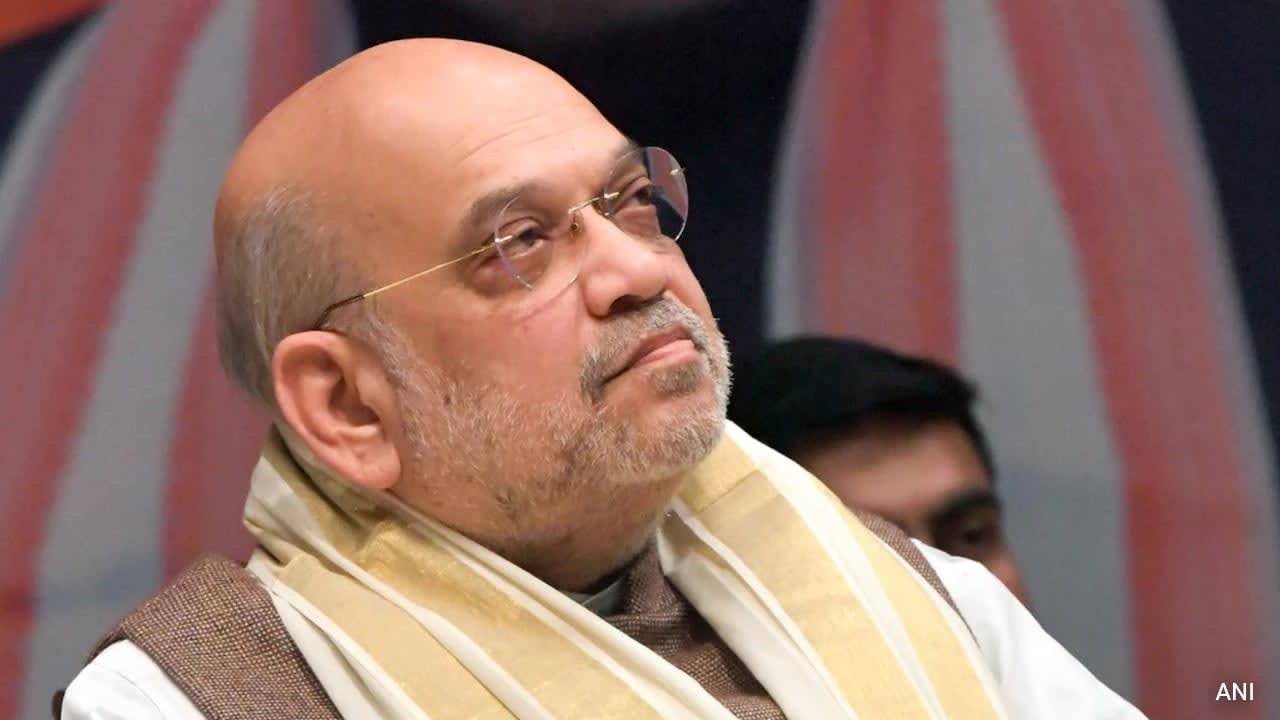
Union Home Minister Amit Shah has accused the Congress party and Rahul Gandhi of obstructing the implementation of the 33% Women's Reservation Act. He reaffirmed the NDA government's commitment to the policy, linking its execution to the upcoming parliamentary delimitation process.
The Political Standoff Over Women's Reservation
Union Home Minister Amit Shah has launched a sharp critique against the Congress party and its leader, Rahul Gandhi, accusing them of actively blocking the implementation of 33% reservation for women in Parliament and state legislatures. Speaking at an event marking 'Samvidhan Gaurav Diwas,' Shah framed the government's legislative agenda as a direct service to the aspirations of the Indian people, contrasting it with what he described as the Congress party's historical disregard for constitutional institutions, specifically citing the 1975 Emergency.
Linking Delimitation to Representation
The core of the current political tension lies in the structural implementation of the Women's Reservation Act. The Union government has explicitly linked the rollout of this reservation quota to the process of delimitation—the redrawing of electoral boundaries. With Parliamentary Minister Kiren Rijiju announcing a reconvening of the Parliament session for November 30, the government is signaling an intent to push forward with the Constitution (131st Amendment) Bill, 2026, which aims to redistribute Lok Sabha seats.
The Historical and Constitutional Context
Amit Shah’s address emphasized that the Indian Constitution is more than a legal document; it is the embodiment of the sacrifices made by freedom fighters. By framing the obstruction of the women's quota as an affront to these ideals, the BJP is attempting to consolidate its narrative that the current administration, under Prime Minister Narendra Modi, is the true guardian of democratic rights. This rhetoric seeks to delegitimize the opposition's concerns regarding the delimitation process, which the Congress and other opposition parties have frequently scrutinized.
The Battle of Narratives
The confrontation underscores a deeper ideological divide regarding the future of Indian electoral politics. While the BJP insists that women's reservation is an inevitable outcome of their governance model, the opposition has raised questions about the timing and the potential impact of delimitation on regional representation. Shah’s direct challenge to Rahul Gandhi—asserting that the Congress 'cannot stop' the implementation—marks an escalation in the rhetoric, positioning the Women's Reservation Act as a litmus test for political resolve.
Future Implications for Indian Governance
As the Parliament prepares to reconvene on November 30, the political atmosphere remains highly charged. The government’s insistence on linking the 33% quota to the 131st Amendment suggests a long-term strategy to reshape the legislative landscape of India. If successfully implemented, this policy could fundamentally alter the demographic representation in the Lok Sabha and State Assemblies, fulfilling a long-standing demand for gender parity in Indian political life. However, the path forward remains dependent on the ability of the ruling coalition to navigate the legislative complexities and opposition pushback in the coming sessions.
Multiple Citing Sources
Verification Required?