Understanding the debate over delimitation and women’s quota as Centre proposes special Parliament sitting
Source Entity
Latest News: Todays Latest News Headlines from India & World | Hindustan Times
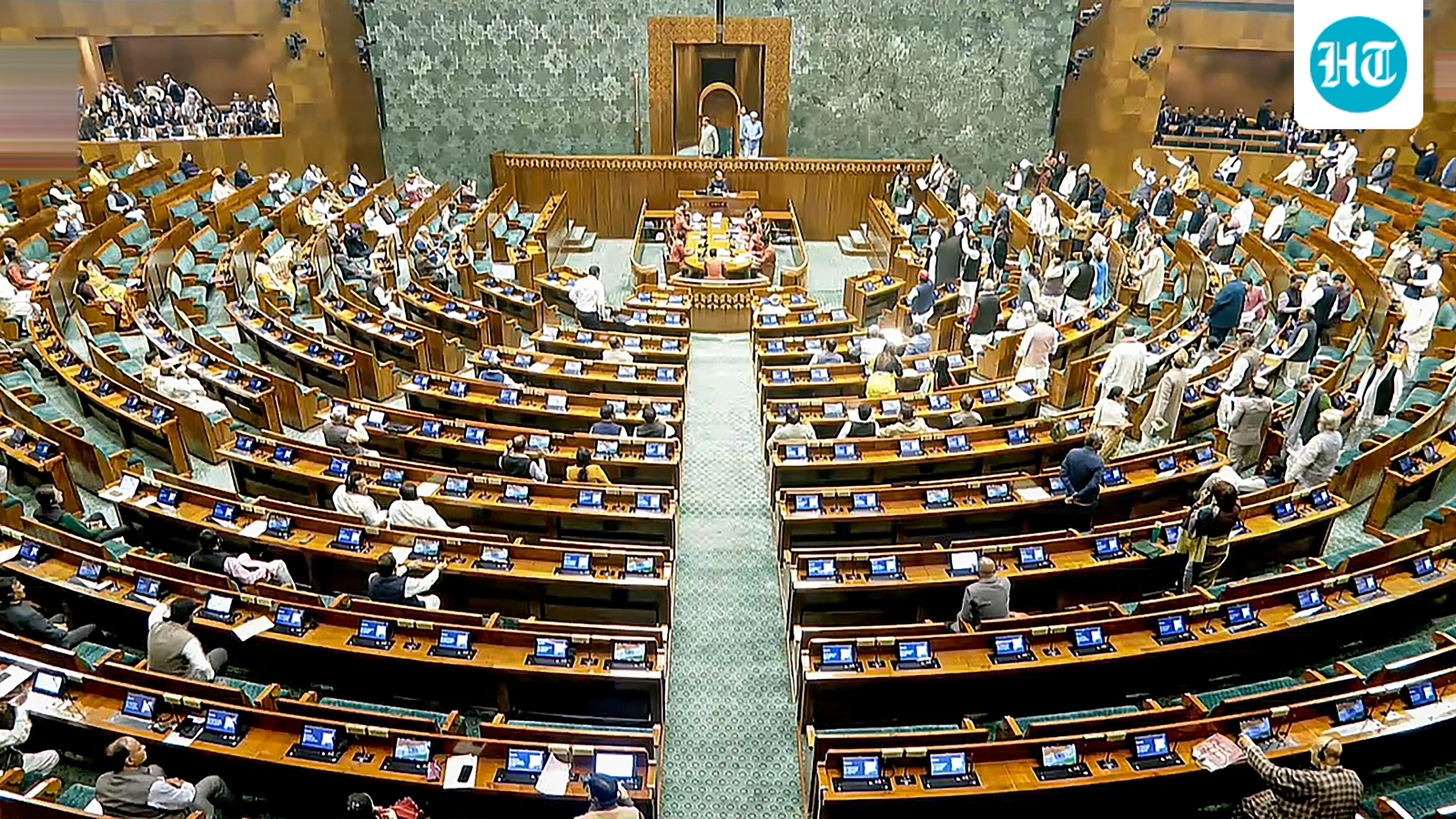
The government has scheduled a special Parliament session starting November 30, 2026, to revisit the failed Constitution (131st Amendment) Bill. The session aims to address the 33% women's reservation and Lok Sabha expansion, despite previous opposition hurdles.
Special Parliament Session: A Strategic Push for Legislative Reform
The Indian government has officially proposed a special session of Parliament, with the Lok Sabha scheduled to convene on November 30, 2026, and the Rajya Sabha on December 2, 2026. This move, announced by Parliamentary Affairs Minister Kiren Rijiju, signals a renewed effort to resolve pending legislative business. The primary focus of this session centers on the contentious Constitution (131st Amendment) Bill, which seeks to reorganize the legislative landscape of the nation.
The Legislative Hurdle: A Historical Context
This special session is a direct response to the legislative setback experienced in April, when the 131st Amendment Bill failed to secure the necessary two-thirds majority in the Lok Sabha. This failure marked a rare political defeat for the National Democratic Alliance (NDA) since its ascent to power in 2014. The bill, which aimed to increase the Lok Sabha ceiling to 850 seats and codify a 33% reservation for women, had previously led to the withdrawal of two supplementary bills—one regarding delimitation based on the 2011 census and another concerning Union Territories—highlighting the fragility of the government's current legislative consensus.
The Delimitation and Reservation Nexus
The core of the upcoming debate rests on the intersection of electoral boundary adjustments (delimitation) and gender representation. The proposed legislation intends to implement a 33% quota for women in time for the 2029 general elections. By aiming to expand the Lok Sabha to 850 seats, the government is attempting to modernize the representative structure of the country, though this is inherently tied to the politically sensitive issue of delimitation, which often faces resistance regarding the balance of power between different states and regions.
Opposition Concerns and Electoral Integrity
Beyond the primary legislative goals, the government’s push for this session has triggered concerns among opposition parties. Specifically, the Special Intensive Revision of electoral rolls has become a focal point of contention. Opposition leaders have expressed skepticism, suggesting that the timing and nature of these revisions, combined with the push for delimitation, could alter the electoral landscape in ways that require rigorous parliamentary scrutiny and transparency.
Broader Implications for Governance
The decision to reconvene Parliament for a special, short-term session indicates a government urgency to finalize these structural changes well ahead of the 2029 electoral cycle. As Ministers prepare for intensive debates, the success of this session will depend on the government’s ability to bridge the divide with the opposition. The failure of the bill in April serves as a cautionary tale, illustrating that even with a clear agenda, constitutional amendments require a broad-based political consensus to pass the high threshold of a two-thirds majority.
Conclusion: The Path Ahead
As the nation heads toward the November 30 session, the political environment remains highly charged. The government’s ability to successfully navigate the complexities of the 131st Amendment Bill will be a defining moment for its legislative legacy. Whether the session leads to a breakthrough on women’s reservation and seat expansion or further deepens the divide with the opposition remains to be seen, but the outcome will undoubtedly shape the future of India's democratic representation for decades to come.
Multiple Citing Sources
Verification Required?