Right to vote cannot be compromised: people against SIR protest in Delhi on Constitution Day
Source Entity
India Latest News: Top National Headlines Today & Breaking News | The Hindu
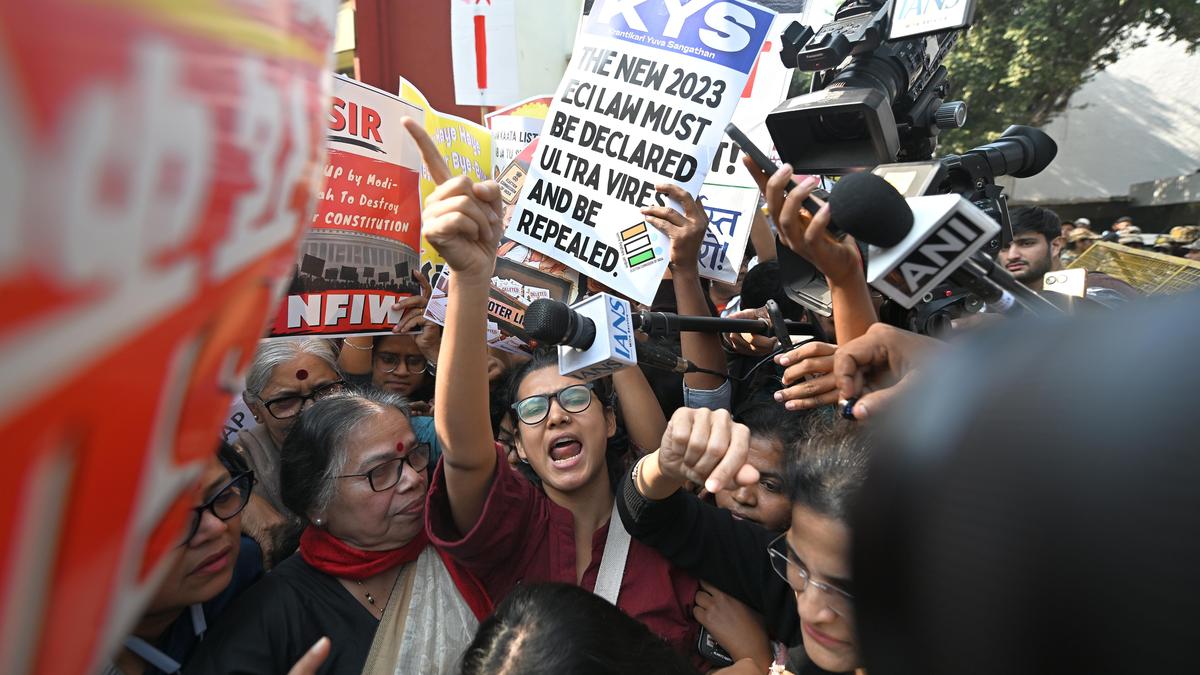
Protesters gathered in Delhi on Constitution Day to demand the cancellation of the Special Intensive Revision (SIR) of electoral rolls. Demonstrators also called for the removal of the Chief Election Commissioner and the restoration of protest rights at Jantar Mantar.
Constitutional Dissent: The Protest Against SIR
On November 26, 2026, coinciding with Constitution Day, a coalition of student groups, farmers’ unions, and women’s organizations gathered at Valmiki Sadan in New Delhi. Under the banner of ‘People Against SIR,’ hundreds of citizens mobilized to voice their opposition to the Special Intensive Revision (SIR) of electoral rolls. This event underscores a growing tension regarding the administrative processes that govern the franchise in India, with protesters asserting that the integrity of the voting process is currently being compromised.
The Controversy Surrounding SIR
The core of the grievance lies in the implementation of the Special Intensive Revision. Protesters argue that the current methodology of the SIR risks disenfranchising voters or altering electoral demographics in a manner that lacks transparency. By demanding the immediate scrapping of this revision process, the coalition is signaling a profound lack of trust in the current management of the electoral roll, which serves as the foundational document for India's democratic participation.
Demands for Institutional Accountability
Beyond the technical objections to the SIR, the demonstration took a direct political turn by targeting the leadership of the Election Commission of India. The explicit demand for the removal of Chief Election Commissioner (CEC) Gyanesh Kumar highlights a significant rift between civil society groups and the constitutional body responsible for overseeing elections. The protesters’ slogans, such as 'Gyanesh Kumar Get Out,' reflect a sentiment that the current leadership is failing to uphold the impartiality required by the office.
Restrictions on Democratic Expression
The protest also served as a flashpoint for the ongoing debate regarding the right to peaceful assembly in the national capital. As the demonstrators attempted to march toward Jantar Mantar—a historic site for public agitation—they were met with heavy police barricading and significant security deployments. This two-hour standoff effectively stifled the intended march, raising broader concerns about the shrinking space for dissent and the administrative restrictions placed on designated protest zones.
Historical and Future Implications
Choosing Constitution Day to stage this protest provides a symbolic backdrop, linking the current administrative disputes to the broader principles of the Indian Constitution. The inability of the protesters to reach Jantar Mantar serves as a case study in the current state of civil liberties in New Delhi. Moving forward, the government's response to these demands—and the transparency of the ongoing SIR process—will likely determine whether this movement gains national momentum or remains a localized administrative dispute. The situation remains fluid, with the coalition signaling that they will continue to advocate for electoral transparency and the restoration of their right to assemble.
Verification Required?