
The Obsession with the Tabula Rasa
The United States is currently marking its 250th anniversary, a milestone that typically triggers a wave of patriotic nostalgia. Yet, for the architectural community, this anniversary serves as a stark warning. Architects are sounding the alarm that a long-standing American tendency to prioritize demolition over preservation is erasing the very landmarks that define local identity and culture. This cycle of destruction and replacement is not merely a loss of aesthetic character; it is a systemic failure to recognize the latent value in existing structures.
Why do we continue to treat the city as a blank slate? Historian Whitney Martinko notes that this tension between historic preservation and private profit dates back to the period between the 1780s and 1850s. The conflict remains unchanged: the short-term gains of real estate development often override the long-term cultural and environmental dividends of preservation. When we demolish a century-old building to make room for a generic glass tower, we aren't innovating; we are defaulting to a low-imagination model of growth.
"It’s the existing building stock you have to keep your eye on… refreshing that stock and keeping them relevant, part of the sustainability legacy."— Gill, Architect
Adaptive reuse is the only logical response to a climate-constrained future. The carbon cost of demolition and new construction is a debt that cities can no longer afford to accrue. By treating existing buildings as assets rather than obstacles, urban planners can maintain the social fabric of a neighborhood while upgrading its functionality. The shift from 'replace' to 'refresh' represents a fundamental change in how we perceive the lifecycle of the built environment.
This tension between the old and the new is playing out in real-time across global capitals, from the street corners of Manhattan to the districts of Berlin.
Verticality as a Hedge Against Sprawl
Berlin is currently challenging its own architectural history with the completion of the Estrel Tower. Rising 577 feet (176 meters), this mixed-use structure is set to become the German capital's tallest nontechnical building and its first true skyscraper. Located in the Neukölln district, the tower integrates a hotel, workspace, gallery, restaurant, and bar. It is not designed as a standalone monolith but as a gateway, incorporating a group of lower structures to maintain a connection to the street level.
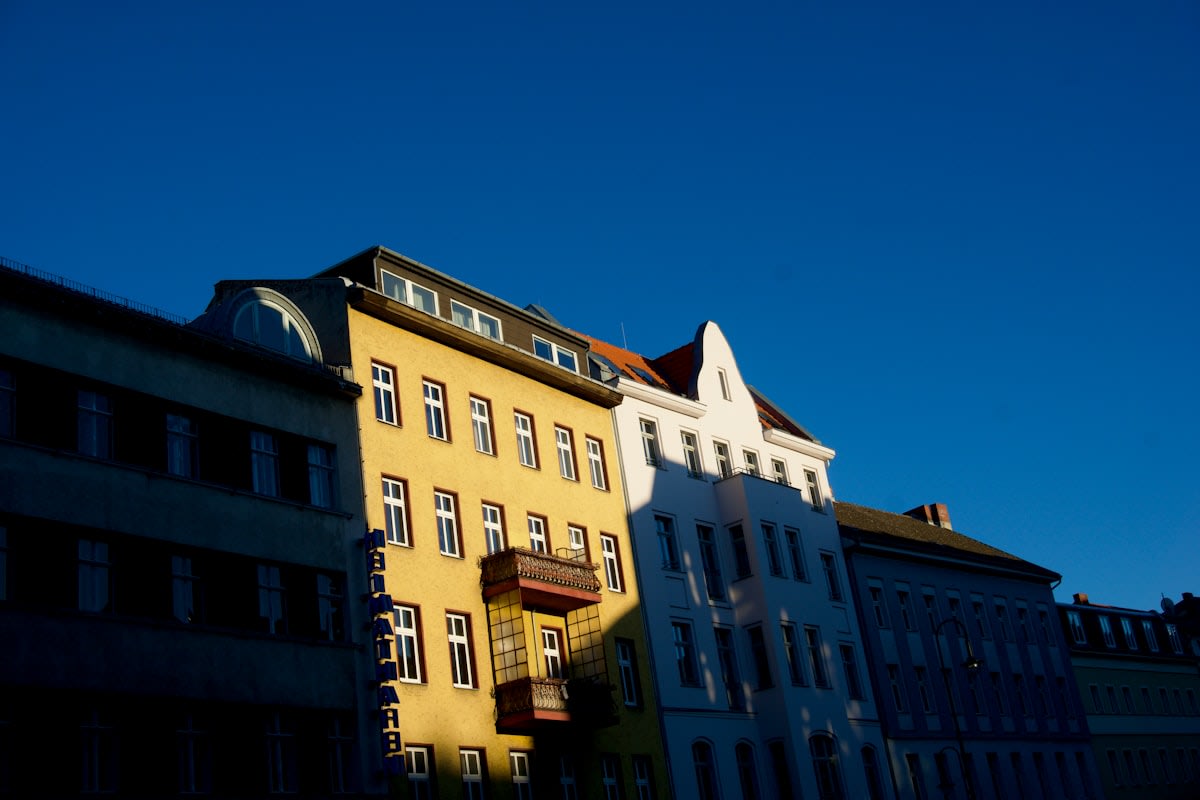
The strategic argument for such height is rooted in environmental resilience. Barkow, one of the project's designers, argues that while tall buildings may have a higher short-term carbon footprint, they are far more energy-efficient over the long run than urban sprawl. By concentrating density, cities can reduce the reliance on sprawling infrastructure and the car-centric layouts that have plagued modern urbanism. The Estrel Tower is a bet on the efficiency of the compact city.
Contrast this with the legacy of suburban sprawl in California. Mission San Juan Capistrano, turning 250 years old, stands as a reminder of the Spanish crown's scaffold that formed modern California. However, the surrounding Orange County has become a case study in the failures of the sprawl model: a landscape defined by avarice, retrograde conservatism, and a civic religion of nostalgia for a bucolic past that was only ever accessible to a few. The sprawl is not just a spatial problem; it is a social one.
While Berlin looks upward to solve the sprawl problem, New York is looking backward to redefine luxury and utility.
The High-Value Pivot of Adaptive Reuse
The Flatiron Building in Manhattan, a 123-year-old icon of ambition and innovation, is currently undergoing a transformation that validates the economic logic of adaptive reuse. Once a pioneering office tower, it is being converted into 38 ultra-luxury private residences. This is not a mere renovation; it is a strategic pivot. The building is retaining its historic details while adding a permanent exterior lighting system to ensure it continues to glow alongside the Empire State and Chrysler buildings.
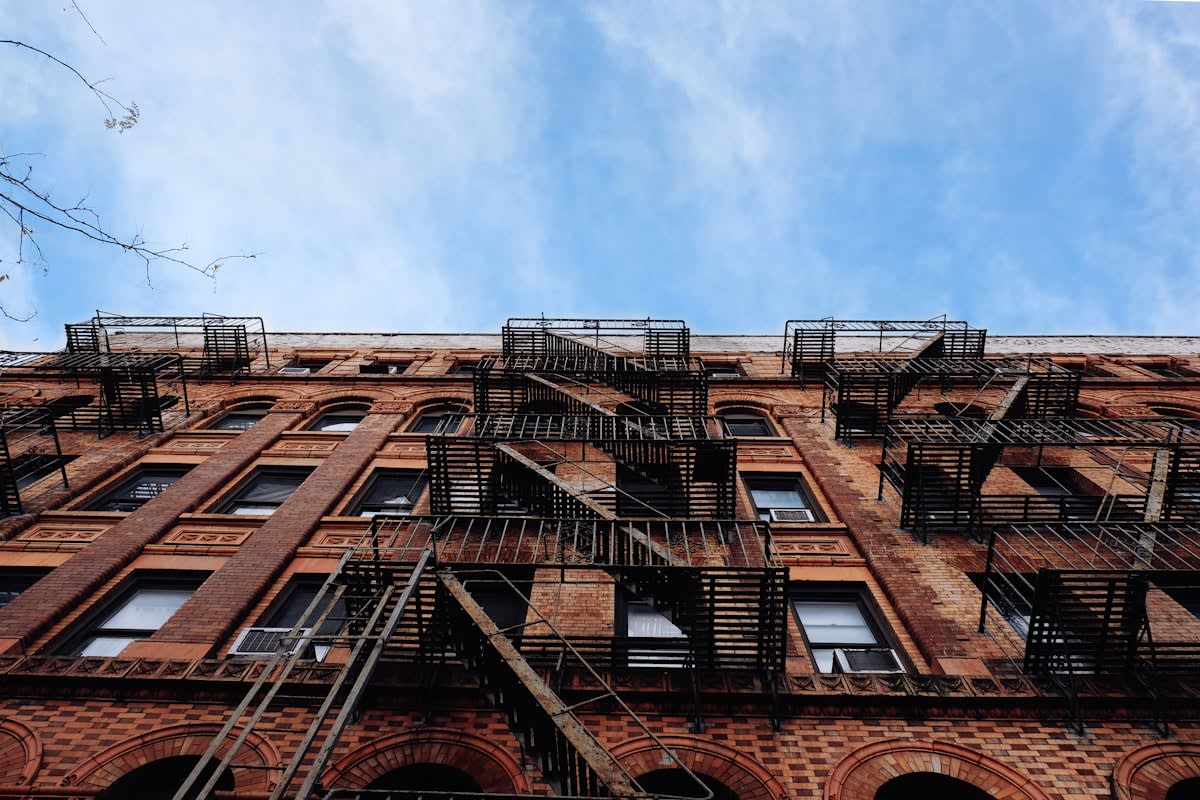
The financial metrics of this project are staggering, with some apartments reaching valuations of $50 million. This price point suggests that the market no longer values 'new' as the primary indicator of luxury. Instead, the value has shifted toward provenance, history, and the uniqueness of a structure that cannot be replicated. The Flatiron's transition from a commercial hub to a residential sanctuary reflects a broader shift in how we utilize the cores of our cities.
This conversion demonstrates that the most sustainable and profitable way to evolve a city is to iterate on existing forms. By preserving the exterior shell and reimagining the interior, developers avoid the massive waste associated with new construction while capitalizing on the emotional and cultural equity of a landmark. It is a blueprint for the future of urban luxury: historic prestige combined with modern utility.
However, the physical structure of a city is useless if the human infrastructure within it is allowed to collapse.
Infrastructure Beyond Steel and Glass
In San Francisco, the conversation around urbanism is shifting from the architectural to the social. While philanthropists are revitalizing public spaces, there is a growing call for a 'human infrastructure fund.' The example of St. Anthony’s on Golden Gate Avenue illustrates this. By providing meals, case management, and a path to housing, the organization creates a social scaffold that allows residents like Teena—who arrived with nothing—to eventually contribute back to the community as employees.
A city that prioritizes the preservation of its buildings but ignores the stability of its people is merely building a museum. The true 'future of cities' requires a synthesis of physical preservation and social investment. The revitalization of public spaces must be matched by a commitment to guarantee safety and stability for all residents, not just those who can afford a $50 million apartment in a repurposed tower.
Strategic Insight
The tension in modern urban planning is no longer between the old and the new, but between the sustainable and the disposable. When we choose demolition over adaptive reuse, we are choosing a disposable city.
| Urban Model | Primary Driver | Environmental Impact | Economic Signal |
|---|---|---|---|
| Suburban Sprawl | Private Profit/Avarice | High (Infrastructure Waste) | Low Long-term Value |
| Tabula Rasa (Demolition) | Modernization/Speed | Extreme (Carbon Debt) | Generic Market Value |
| Adaptive Reuse | Sustainability/Heritage | Low (Resource Conservation) | Premium/Unique Value |
| Compact Verticality | Efficiency/Density | Moderate (Initial) / Low (Long-term) | High-Density Utility |
The evidence is clear: the path to a resilient city is hidden in the floor plans of the past. Whether it is the 123-year-old bones of the Flatiron Building or the compact logic of Berlin's new towers, the goal is the same—reducing the footprint of human existence while increasing the quality of urban life. The cities of tomorrow will not be those that built the most, but those that saved the most and adapted the best.