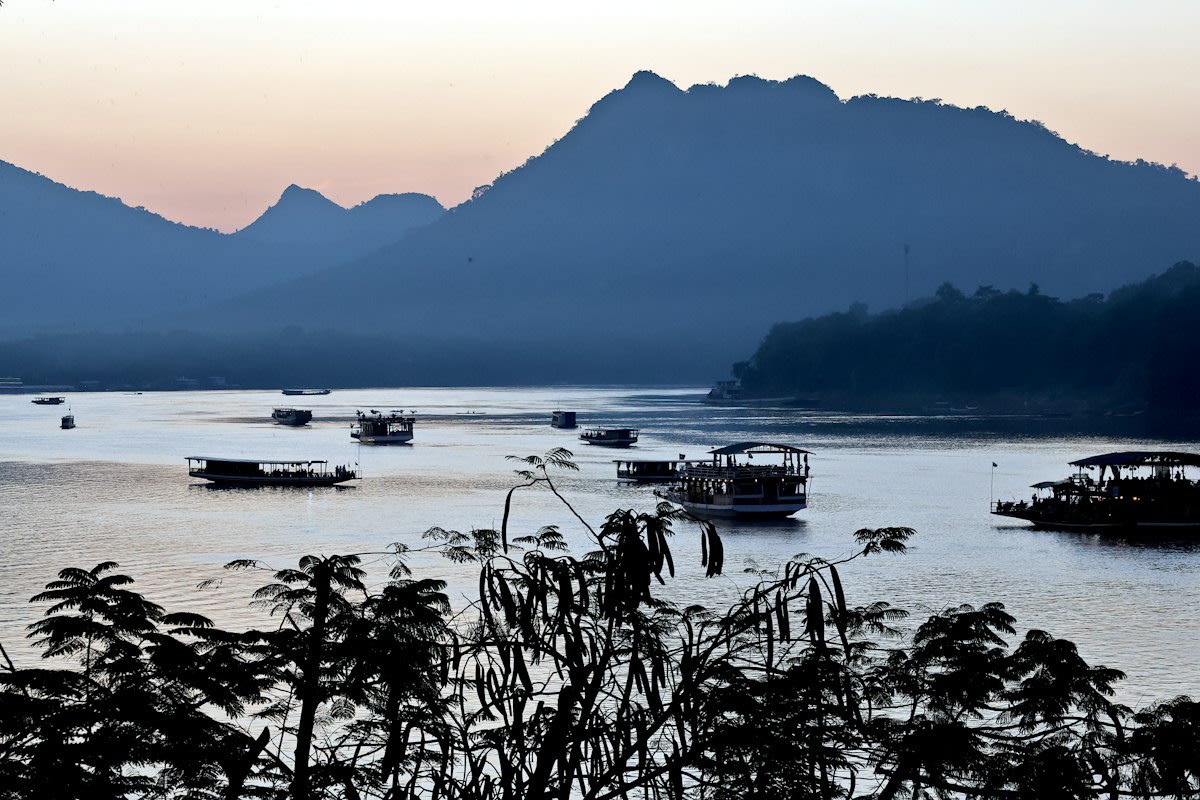
Salt crusts the rice paddies. In southern Vietnam's Mekong Delta, river inflows are forecast to be 15-20 percent below the long-term average (Source: Tuoitre, 2026). This deficit triggers a backward surge of brine that poisons the soil and kills the crop before the grain can harden. The window for disaster opens in late December, peaking between January and April of the coming year (Source: Tuoitre, 2026). Farmers are now racing to plant winter-spring rice early to beat the tide of saltwater.
The brine is pushing deeper. Saltwater intrusion is projected to reach 50-70 kilometers inland along the Mekong River's estuaries, a penetration depth 7-13 km beyond historical norms (Source: Tuoitre, 2026). Along the Vam Co River, the situation is more dire, with salinity expected to penetrate 110-130 km inland, representing a 30-42 km increase over usual levels (Source: Tuoitre, 2026). This is not a slow leak but a systemic breach of the freshwater barrier. The soil becomes oxidized, stripped of its viability, and left as a sterile wasteland.
The Salinity Delta: Now vs. Then
The current trajectory represents a violent departure from the previous twelve months. While the region has always dealt with seasonal tides, the 2026-27 El Nino cycle is accelerating the inland creep of salt at an unprecedented rate. This is no longer a localized issue but a regional collapse affecting 1.3 million hectares in the Central Highlands and 428,000 hectares in the southeastern region (Source: Tuoitre, 2026). Most of these areas consist of perennial crops located outside of protected irrigation zones, leaving them exposed to the elements. The scale of the risk suggests a fundamental failure in current water management infrastructure.
| Metric | Standard Range | 2026-27 Forecast | Delta (Increase) |
|---|---|---|---|
| Mekong Estuary Penetration | 37-57 km | 50-70 km | +7-13 km |
| Vam Co River Penetration | 78-88 km | 110-130 km | +30-42 km |
| River Inflows | 100% (Avg) | 80-85% | -15-20% |
Human cost follows the salt. Approximately 447,000 rural households are expected to face acute water shortages, particularly those clinging to the coastal and highland fringes (Source: Tuoitre, 2026). These families rely on groundwater that is increasingly contaminated by the saltwater wedge. When the wells turn brackish, the only option is to buy bottled water or migrate toward the LED-bleached centers of the cities. The rural domestic water supply is not just at risk; it is effectively collapsing.
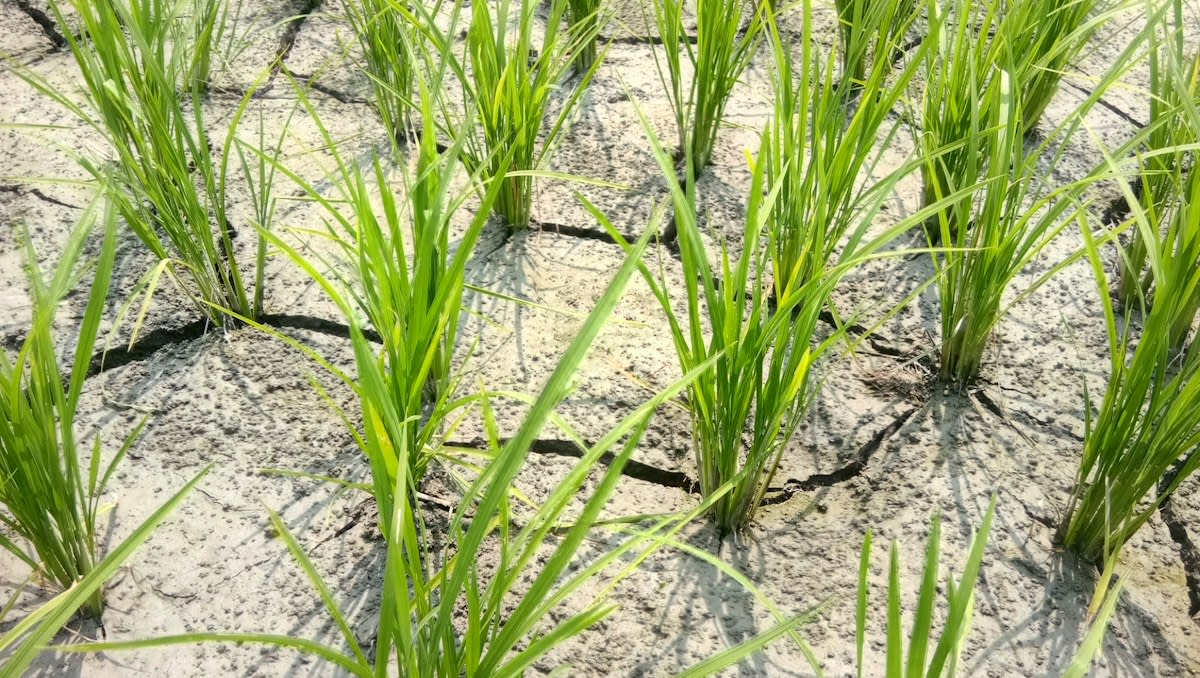
International expertise is attempting to patch the holes. Dutch stakeholders are currently collaborating with Vietnamese officials to share salinity adaptation and mitigation strategies (Source: Agroberichten Buitenland, 2026). The goal is to provide practical, ground-level solutions for farmers who cannot afford high-end desalination. However, the global context is overwhelming, with saltwater intrusion affecting agricultural land on a massive scale.
"Around 1.4 billion hectares of agricultural land in the world are affected by salinity."— FAO, 2025
The friction between global knowledge and local reality is palpable. In the field, the debate is not about high-level policy but about the survival of a single harvest. Farmers are forced to decide between abandoning their land or investing in expensive, often unreliable, saltwater-resistant seeds. This struggle is happening while the urban centers of Vietnam are being rebranded as hubs of green industry.
The Contrast: Recycled Gold and Plastic Barriers
Ho Chi Minh City operates in two parallel realities. On one side, Danish jewelry giant Pandora has launched a $150 million crafting facility, the largest of its kind in the world (Source: AP News, 2026). This facility is powered entirely by renewable electricity and utilizes 100% recycled gold and silver, representing a silicon-etched vision of sustainable luxury (Source: AP News, 2026). It is a gleaming monument to foreign direct investment and the green transition.
The other reality is found on Pham Huu Lau Street. Here, the street-level experience is defined by motorbikes splashing through floodwaters caused by a lethal combination of heavy rain and high tides (Source: AP News, 2026). Shopkeepers do not have renewable-powered grids; they have plastic barriers. These makeshift walls are the only thing preventing the greasy, tide-driven sludge from swallowing their inventory (Source: AP News, 2026).
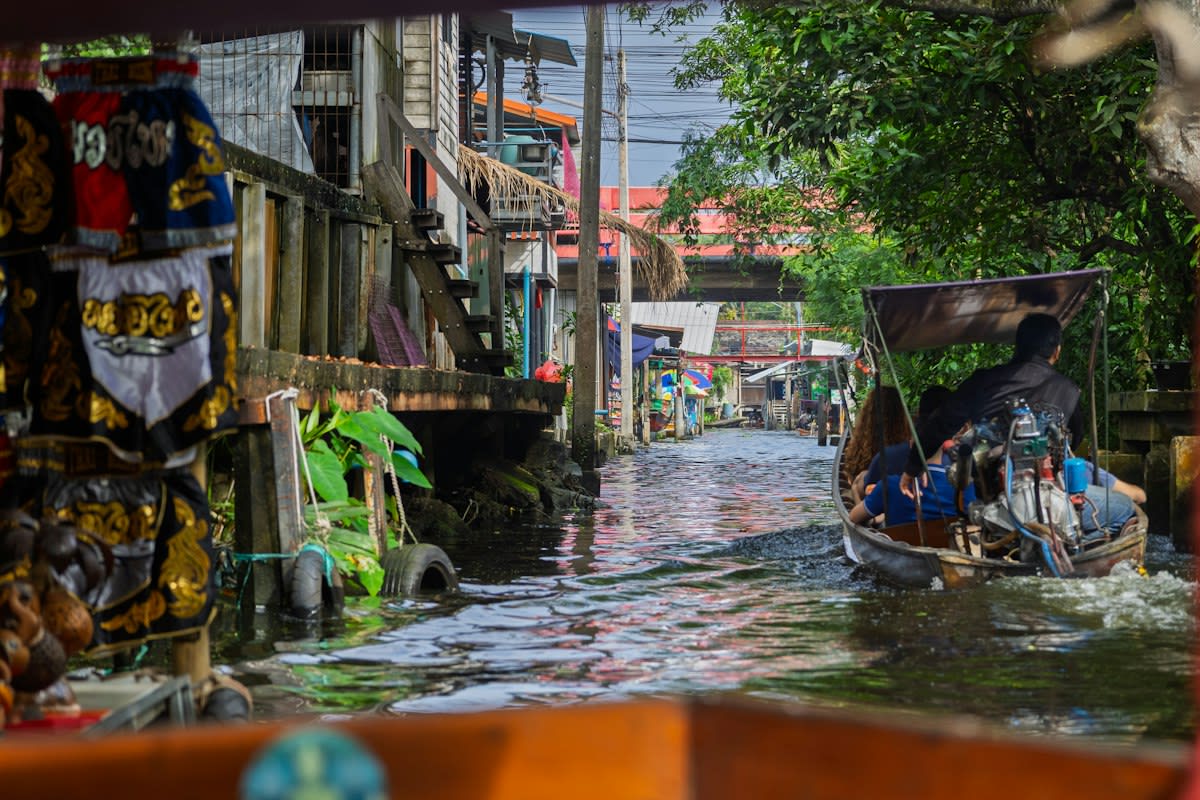
This juxtaposition reveals the structural failure of urban planning. While the state attracts $150 million investments in renewable-powered factories, the basic drainage systems of the city's districts are failing. The water does not flow away; it lingers, mixing with the urban runoff of a city that is sinking as the sea rises. The luxury of recycled gold in the factory does nothing to stop the flood on Pham Huu Lau Street.
The Shadow Market: Political Erosion
The environmental squeeze is mirrored by a political one. Beyond the salt and the floods, a different kind of erasure is occurring. Pro-democracy activists in Asia are being hunted across international borders by authoritarian governments (Source: NPR, 2026). This is not a random series of arrests but a coordinated effort to silence dissent through transnational repression.
Human rights groups have identified a predatory system they call a swap market of repression in Southeast Asia (Source: NPR, 2026). In this market, governments collaborate to intimidate, arrest, and extradite critics and refugees. The disappearances are clinical and swift. For example, Australian democracy campaigner Tran Hiep disappeared while in Cambodia to meet with other activists of Vietnamese origin (Source: NPR, 2026).
Another activist vanished after failing to show up for a registration interview with the United Nations Refugee Agency in Bangkok (Source: NPR, 2026). The message is clear: there is no safe harbor. The borders that should protect the displaced have become conduits for state-sponsored kidnapping. The political environment is as toxic as the salinized soil of the Delta.
Failure Points
The primary failure point is the reliance on reactive rather than proactive infrastructure. The government's response to El Nino is to urge farmers to plant rice early (Source: Tuoitre, 2026), which is a temporary bandage on a systemic wound. Without a massive overhaul of the irrigation and salinity-blocking systems, the 30-42 km increase in saltwater penetration along the Vam Co River will become the new baseline.
A second failure is the disconnect between industrial growth and urban resilience. The Pandora factory's $150 million investment (Source: AP News, 2026) proves that capital can flow into the region, but that capital is not being used to protect the streets of HCMC from the tides. The city is building a high-tech shell while the foundation is rotting in floodwater.
Fact-Check & Accuracy Note
All data regarding salinity penetration and household impact is sourced from the Ministry's report sent to the prime minister as cited by Tuoitre (Sept 30, 2026). Global salinity data is attributed to FAO (2025).
Editorial Note
This report highlights the trend of environmental collapse coinciding with industrialization and political repression. The 'Delta' analyzed here refers to the increase in saltwater intrusion depth and the widening gap between corporate investment and public infrastructure.