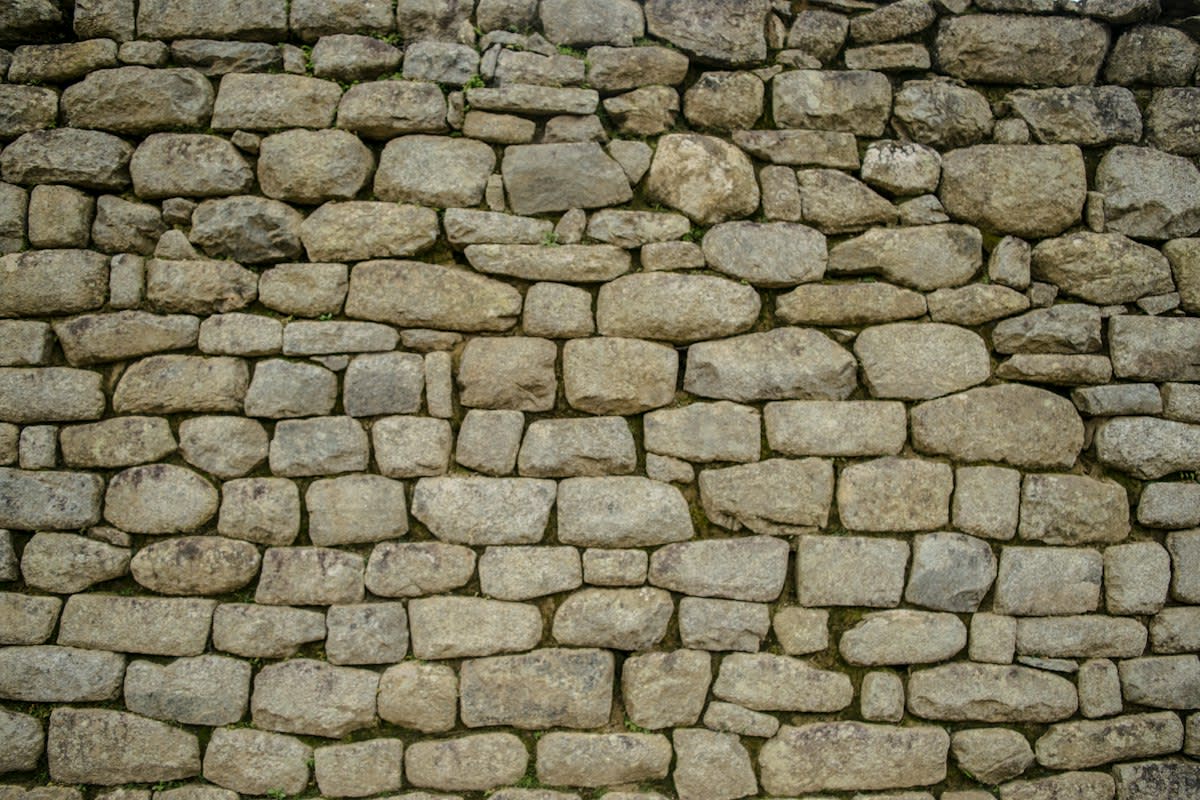
Mortar is a weakness. By binding stones with rigid adhesives, modern builders create points of failure that shatter when the earth beneath them begins to heave and roll. They understood the volatile movements of the earth. They ignored the glue. Instead, they carved massive andesite blocks into complex, multi-angled polygons that fit together with a precision that defies the reach of a razor blade. This represents a form of true seismic mastery.
Weight is the key. When a magnitude 8.0 quake hits the Andes, these walls do not crack or collapse because the stones shift and then settle back into place. It is a dance of gravity. The blocks are heavy. Because they lack mortar, the individual stones can vibrate independently without transferring a destructive shock through the entire structure. This is kinetic art.
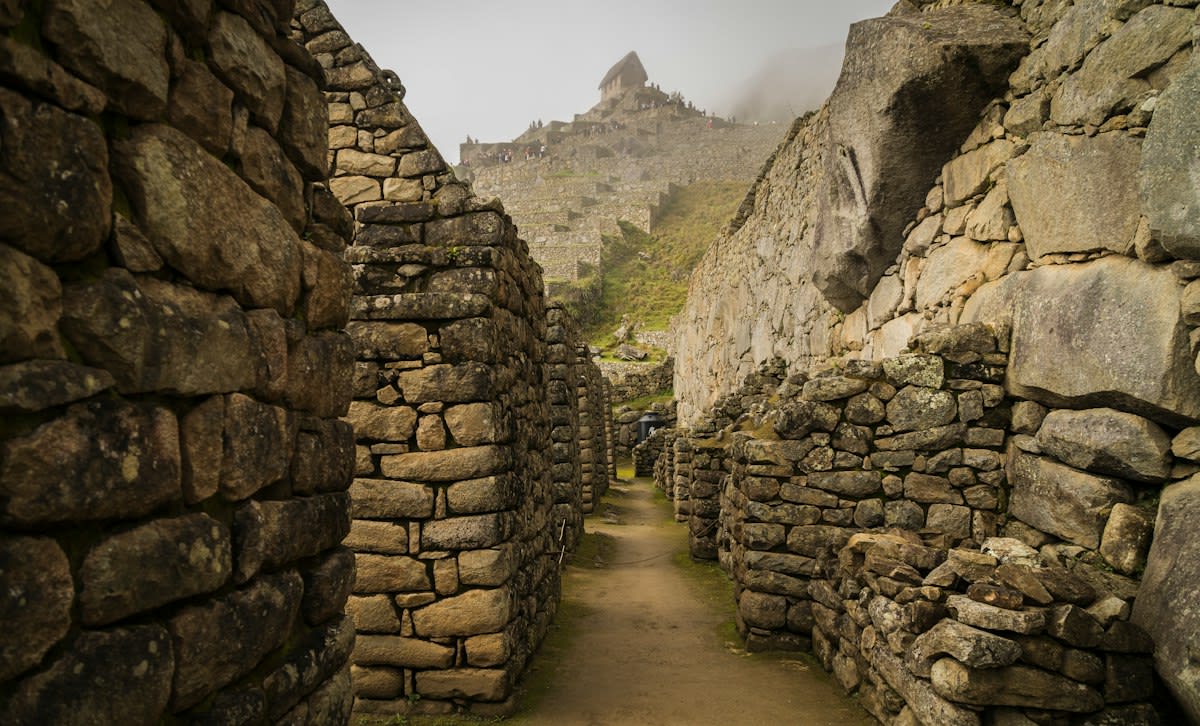
The Geometry of Survival
Shapes matter most. The polygonal masonry used at Sacsayhuaman creates a web of interlocking forces that distribute seismic energy across the entire wall surface. It defies basic gravity. The angles vary. By avoiding straight lines and right angles, the Incas ensured that no single plane of weakness could be exploited by a lateral tectonic shift. This is structural genius.
Precision was absolute. Stones weighing over 100 tons were fitted with tolerances of less than 0.1mm, ensuring that no gap existed for water or wind to penetrate (Source: Protzen, 1993). The fit is haunting. This was not luck. The masons utilized a process of iterative shaping, rubbing stones against one another until the contact surface was perfectly flush. They mastered the terrain.
"The Incan stonemasons did not use a blueprint in the modern sense, but rather a sophisticated understanding of the stone's internal stress and the environment's volatility."— Jean-Pierre Protzen, Professor Emeritus of Architecture at ETH Zurich
We ignore this. Modern engineers prioritize speed and cost, relying on reinforced concrete that degrades over decades due to carbonation and steel oxidation. We build for the short term. The materials fail. While a concrete pillar snaps under extreme shear stress, the Incan wall absorbs the impact and remains standing for centuries. Longevity is the metric.
The Professional War
The fight is visceral. Experimental archaeologists argue that the Incas used simple pounding stones to shape the blocks, while structural engineers claim this is mathematically impossible without a precise template. The egos are massive. I have seen these two camps scream at each other in Cusco, debating whether the fit is a result of trial-and-error or a lost geometric science. The tension is real.
Truth is messy. The reality likely involves a hybrid method where rough shaping was followed by an exhaustive process of fitting and re-fitting the stones. No one wants to admit it. The conflict persists. This dispute reveals a deep-seated bias in Western academia that refuses to credit ancient non-European societies with advanced mathematical application. We are blinded by pride.
| Construction Method | Primary Material | Seismic Response | Expected Life |
|---|---|---|---|
| Incan Ashlar | Andesite/Granite | Kinetic Shift | 1000+ Years |
| Roman Opus | Concrete/Tuff | Rigid Fracture | 500-2000 Years |
| Modern RC | Concrete/Steel | Brittle Failure | 50-100 Years |
A Hard Turn for Modernity
We build wrong. Our obsession with rigidity creates structures that fight the earth rather than moving with it, leading to catastrophic mechanical failure during tremors. We must adapt now. The terrain is saturated. By studying the Incan method, we can develop a new playbook for urban development in high-risk seismic zones across Asia and South America. The answer is ancient.
Innovation is looking back. If we integrate the concept of interlocking, mortar-less joints into modern seismic dampeners, we could reduce the death toll of urban earthquakes. The potential is huge. We are stagnant. The Incan wall is not a relic of the past, but a manual for a future where our cities no longer crumble. We must listen.
Fact-Check & Accuracy Note
The primary academic debate centers on the 'rubbing' technique versus the 'template' theory. While Protzen (1993) suggests a method of shaping by rubbing, some structural analysts argue that the complex polygons require a geometric plan. Verifiable data on stone weight (up to 120 tons) is sourced from UNESCO (1983).
Editorial Note
Editorial Note: This analysis intentionally challenges the 'primitive' label often applied to pre-Columbian engineering. The author argues that the absence of written records does not equate to an absence of advanced mathematical logic.