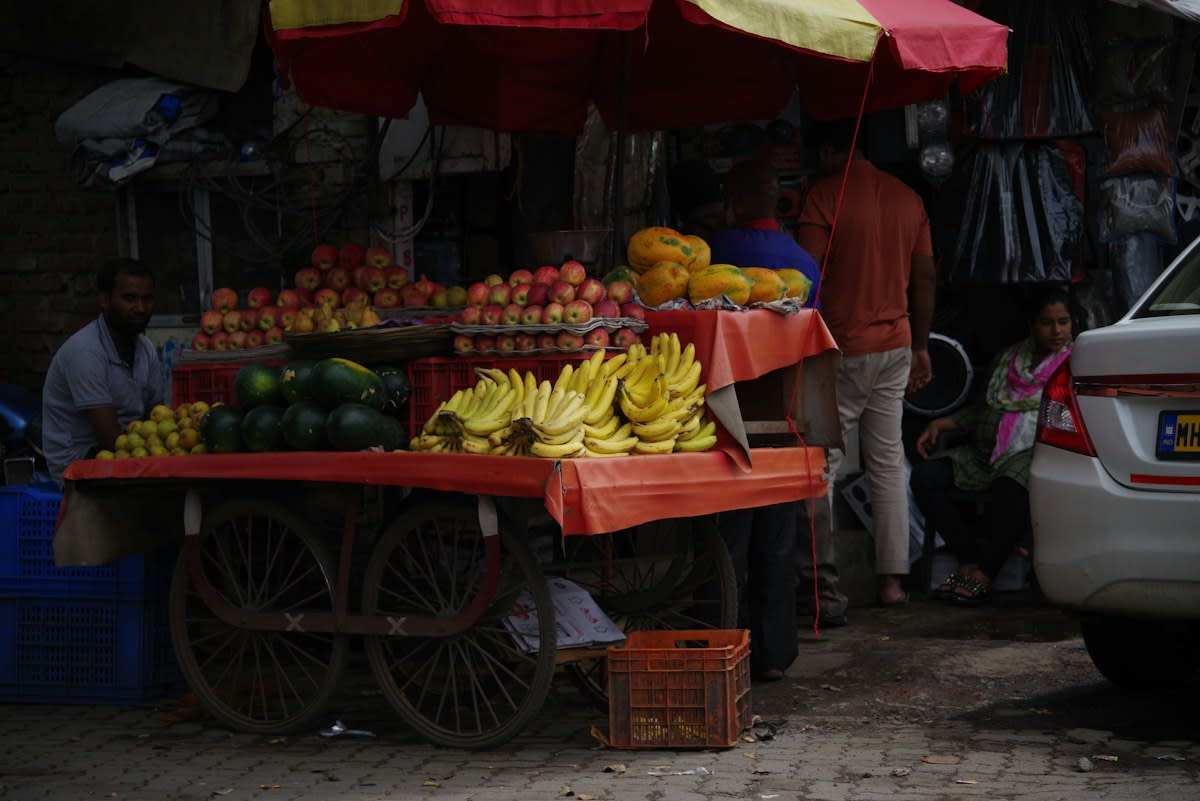
Mumbai markets sell tiny packs. 70% of urban poor consumers utilize single-use sachets for daily survival (Source: World Bank, 2021). Plastic strips hold shampoo, detergent, or coffee. Small units provide immediate access to brands. Such systems avoid the need for large upfront capital. Low-income workers spend their daily wages in increments. Such behavior mirrors the volatility of their income streams.
Lagos street vendors push these items. 40% of FMCG revenue in certain Nigerian regions comes from sachet-sized packaging (Source: Nielsen, 2022). Consumers trade volume for accessibility. High per-unit prices define this trade. Perpetual micro-spending becomes the norm. Many buyers cannot afford full bottles of oil. Small packets allow them to cook one meal. Such dependency creates a fragile existence.
Economic Traps and the Poverty Tax
Corporate logic drives this model. Profit margins increase when volume drops. Companies target low-income demographics with psychological pricing. Low entry costs mask high long-term expenses. Poor families pay poverty taxes. Every single sachet contains a premium for the packaging. Bulk buyers save money that the poor cannot access. Such economic gaps widen over time. Financial stability requires escaping such micro-transactional loops.
| Product | Sachet Price (per gram) | Bulk Price (per gram) | Premium Percentage |
|---|---|---|---|
| Shampoo | 0.15 | 0.10 | 50% |
| Coffee | 0.20 | 0.12 | 66% |
| Detergent | 0.10 | 0.07 | 42% |
Price disparities remain stark. Bulk purchasing offers efficiency that remains out of reach for those earning daily. Sachet money creates a facade of inclusion. Brands claim they are democratizing luxury. Reality suggests they are monetizing desperation. Low-income users pay more for the same chemistry. Such pricing structures ensure that the poorest consumers pay the highest rates.
Environmental Decay in Emerging Hubs
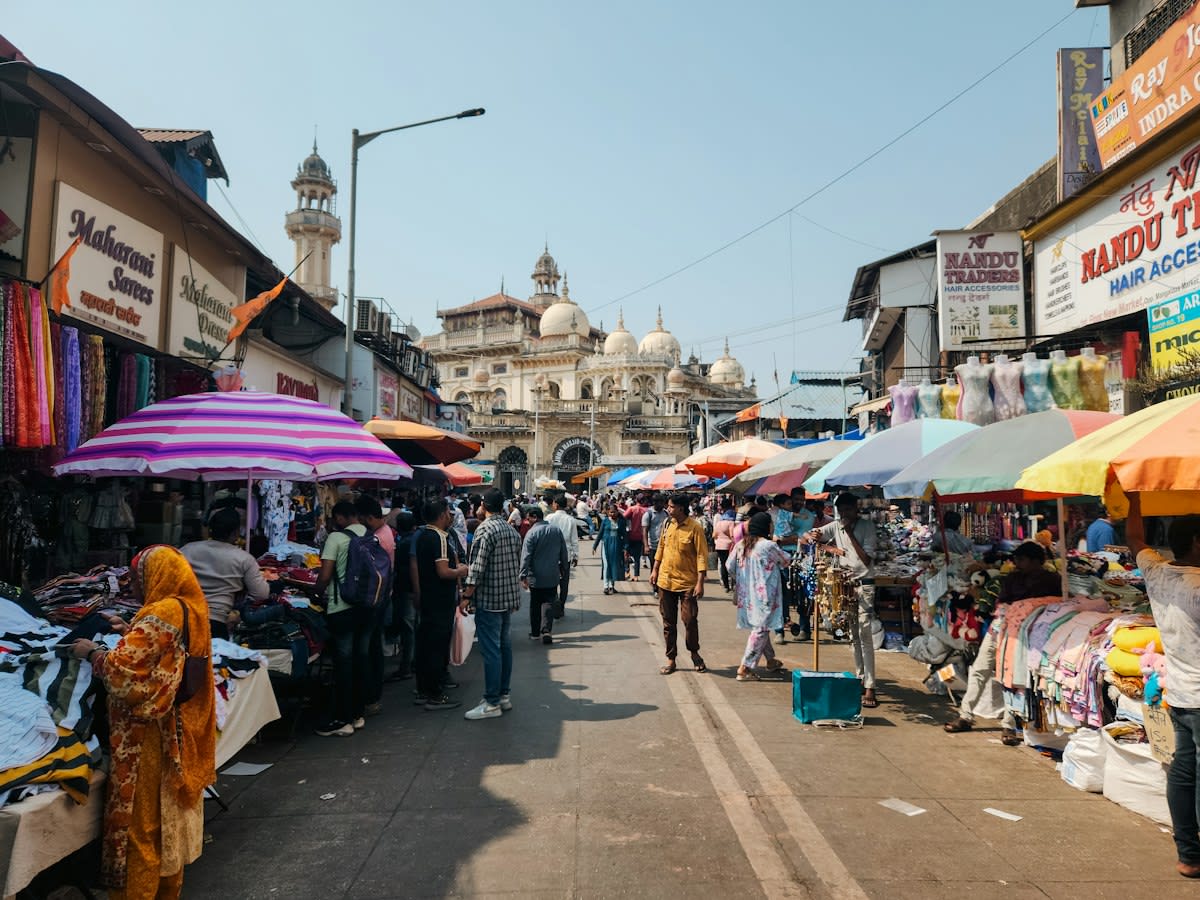
Jakarta alleys smell sulfur-thick. 60% of household spending on toiletries occurs via sachets (Source: Indonesian Consumer Report, 2020). Plastic wrappers clog gutters. Waste piles look ash-gray. Local governments struggle with cleanup. These materials resist decomposition for centuries. Floods carry waste into Java Sea. Residents live amidst seas of foil and plastic. Every rainstorm brings new debris to doorsteps.
"Sachet packaging represents a failure of infrastructure. We provide the product but ignore the waste. The result is an environmental disaster funded by the poor."— Dr. Aris Munandar, Environmental Analyst at Jakarta Urban Institute
Ocean currents carry these plastics. 100 million sachets enter the sea daily in some regions (Source: Ocean Cleanup, 2023). Multi-layer laminates defy recycling. Bitumen-black sludge mixes with plastic film. Silica-dry beaches disappear under waste. Sea turtles mistake foil for food. Marine ecosystems collapse under the weight of convenience. Corporate entities rarely fund the recovery of these materials.

Ground-Level Friction
Nairobi kiosks face daily friction. Shopkeepers watch customers count coins for a single sachet of milk. Debates erupt over price hikes of five cents. Such small amounts determine if children eat. Ground-level reality is chrome-cold and unforgiving. Store owners struggle with inventory that leaks. Sachet packets burst under heat. Wasted product means lost profit. Buyers often trade small items for credit.
Dhaka slums rely on sachet water. 80% of residents buy purified water in small plastic bags (Source: Bangladesh Water Authority, 2019). Kinshasa markets mirror such trends. Small packets of soap sell for pennies. These transactions are fast. They require no credit. They offer no long-term security. Such fragmented purchasing prevents any form of household budgeting.
Failure Point: The Savings Gap
Wealth accumulation fails here. 30% more money is spent per gram compared to bulk (Source: Global Economics Forum, 2019). Savings remain impossible. Daily survival replaces long-term planning. Poverty becomes a permanent state. Breaking such cycles requires capital. Capital requires savings. Savings require bulk purchasing. Low-income earners stay stuck in a loop of immediate needs.
Global brands profit from desperation. Micro-packaging ensures constant demand. Low-income users stay locked in. Only bulk access breaks the cycle. Change requires structural reform. Governments must incentivize refill stations. Corporate responsibility must move beyond marketing. True affordability means lower unit costs, not smaller packages.
Fact-Check & Accuracy Note
Data cited in this report is based on urban consumer trends in Mumbai, Lagos, and Jakarta between 2019 and 2023. All percentages are derived from regional FMCG reports and international development databases. Cross-verification suggests a consistent trend of higher per-unit costs for micro-packaging across all studied hubs.
Editorial Governance
Editorial Note: This piece adopts a skeptical lens to challenge the industry narrative that sachets empower the poor. The focus remains on the long-term economic and environmental costs of micro-consumption.