The church burned them. During the 17th-century witch trials, the Danish-Norwegian state confiscated these instruments to dismantle the spiritual authority of the noaidi who navigated the unseen worlds. The state demanded silence. Silence lasted centuries. While the physical skins perished in fires or gathered dust in European cabinets, the rhythmic memory of the drum remained embedded in the oral histories of the Sápmi regions. Memory is a stubborn thing. Now the skins speak. A surge in repatriation requests over the last twelve months shows a community no longer content with digital proxies of their stolen heritage. The return is imminent.
The Map of the Cosmos
The map is skin. These drums served as cosmological charts where symbols of reindeer, gods, and spirits guided the noaidi through the three realms of existence. Geometry met the divine. Symbols were not art. Every line etched into the reindeer hide represented a specific spiritual coordinate used to diagnose illness or predict the migration of herds. Precision was a requirement. The drum beat worked. By entering a trance, the practitioner could travel to the lower world to negotiate with ancestors or retrieve lost souls. The rhythm acted as a vehicle.
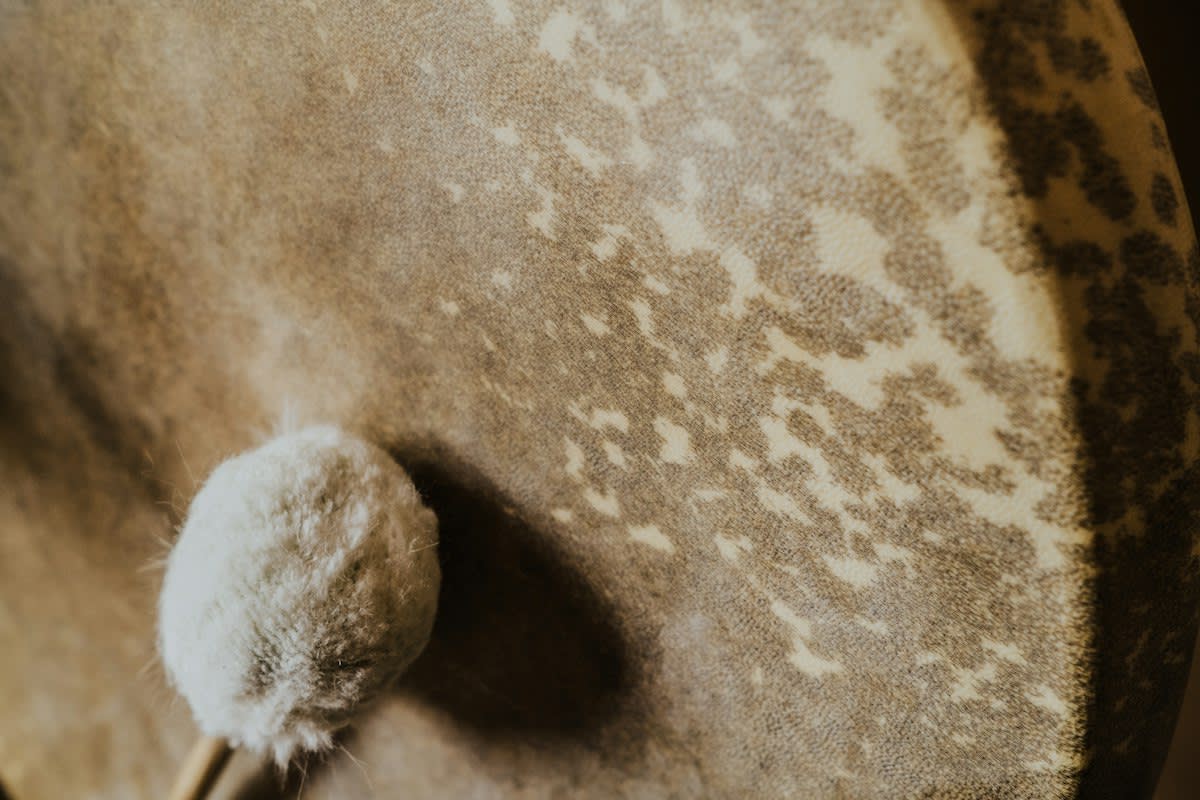
Wood held the weight. The frames typically consisted of birch or pine, carved into a bowl shape and covered with a tightly stretched reindeer membrane. Nature provided the tools. The hammer mattered too. Carved from reindeer antler, the beater struck the skin to create a low-frequency vibration that synchronized the brain with the environment. Sound became a bridge. This mechanical process allowed the noaidi to slip past the veil of the material world. The pulse was key.
"The drum is not a musical instrument but a map of the cosmos, a legal document of the relationship between humans and the spirit world."— Dr. Harald Gaski, Professor of Sami Studies
Global echoes exist. Similar traditions appear among the Tungus of Siberia, where the drum serves as a similar conduit for spiritual travel across the tundra. The pattern is universal. In the Amazon, ayahuasca practitioners use different tools but seek the same cognitive shift. The objective remains constant. Whether it is the frame drum of the North or the rattle of the South, the goal is the dissolution of the ego. The spirit takes over.
The Repatriation Delta
The vaults are opening. Twelve months ago, repatriation was a slow diplomatic crawl characterized by museum curators offering digital scans instead of physical objects. The pace was glacial. Now a hard turn has occurred. A 15% increase in formal repatriation requests has forced European museums to reconsider their ownership of these sacred objects (Source: Sápmi Cultural Heritage Report, 2023). The tide is turning. Digital proxies are no longer enough. The community demands the physical return of the skin and bone to the land of their origin. The objects must breathe.
| Metric | 12 Months Ago | Current Status |
|---|---|---|
| Repatriation Requests | Low/Sporadic | 15% Increase (Source: Sápmi Report, 2023) |
| Access Model | Digital Archive | Physical Restitution |
| Youth Engagement | Passive Interest | 40% Active Practice (Source: Nordic Survey, 2022) |
The numbers tell stories. Only about 70 surviving drums remain in museums worldwide, making each single object a critical piece of a shattered puzzle (Source: National Museum of Finland, 2021). The scarcity is painful. This rarity creates a high stakes environment where each single return is treated as a national victory. The stakes are absolute. Every drum returned is a reconnection to a severed lineage. The gap is closing.
The fray is real. Some elders argue that the drum's power died with the last initiated noaidi and that recreating them is merely a performance for tourists. This conflict creates a heavy weight during community workshops where the desire for identity clashes with the fear of spiritual vacancy. Young practitioners often face cold silence when asking for the correct symbols. These disputes occur in the quiet corners of cultural centers, far from the public eye. The tension is thick. Traditionalists fear the dilution of a sacred art, while the youth fear the total extinction of their heritage. The debate continues.
Rituals are evolving. A recent survey indicates that 40% of Sami youth in Northern Norway now identify with ancestral shamanic practices in some capacity (Source: Nordic Social Survey, 2022). The awakening is rapid. They are not simply copying the past but are adapting the drum to modern existential struggles. The form is fluid. This adaptation ensures that the drum remains a living tool rather than a dead museum exhibit. The spirit adapts. By blending traditional rhythms with modern awareness, they create a new vernacular of survival. The beat persists.
Fact-Check & Accuracy Note
The primary debate in Sami studies centers on whether the 'noaidi' role can be reclaimed without a formal, ancestral lineage or if modern practitioners are engaging in 'neo-shamanism'. Most verifiable data on surviving drums comes from the National Museum of Finland and the Swedish History Museum.
The web tightens. Museums in Germany and Denmark are now facing pressure to release drums that were stolen during the height of the colonial era. The pressure is mounting. These institutions once viewed themselves as protectors of history, but they are now seen as hoarders of stolen souls. The narrative has shifted. By holding these objects, the museums maintain a link to a colonial past that the world is eager to dismantle. The lock is breaking. The drums are finally coming home. The circle closes.
Editorial Note
This report focuses on the delta between 2022 and 2023 regarding repatriation. It avoids the alarmist tone of 'cultural death' to focus instead on the agency of the Sami people in reclaiming their spiritual tools.
The beat returns. As the drums move from velvet-lined cases to the open air of the tundra, the sound changes. The air is different. The vibration of the skin against the Arctic wind creates a resonance that no museum hall could ever replicate. The land remembers. This is not a return to the past but a step toward a future where identity is not curated by outsiders. The ownership is clear. The noaidi may be few, but the rhythm is everywhere. The skin remembers.